2026 Best Must Have Baking Tools for Beginners?

Time:2026-09-14 Author:Isabella
0%

Baking looks simple until flour coats the counter and a cake sinks in the oven. For beginners, the right tools can make each step clearer, safer, and more repeatable. This guide explores what are the must have baking tools for beginners, based on practical kitchen use and dependable baking principles.

A sturdy mixing bowl, digital kitchen scale, measuring spoons, and a silicone spatula form the essential starting point. A scale matters because flour volume can change significantly when scooped or packed. An oven thermometer also deserves attention, since many ovens run hotter or cooler than their settings suggest. Small details matter.

Beginners should also consider a hand mixer, cooling rack, rolling pin, and a reliable baking pan. These tools support common recipes without filling a small kitchen with unnecessary equipment. Choose heat-resistant materials, comfortable handles, and easy-to-clean surfaces. In my experience, inexpensive tools can work well when used carefully, but fragile pans often create uneven browning and frustration.

Not every baker needs every gadget.

A pastry brush, cookie scoop, or kitchen timer may become useful later. Personal baking habits should guide those purchases. Some recommendations may vary because ovens, budgets, and recipes differ. That is worth remembering. The best beginner setup is not the largest one; it is the collection that helps you measure accurately, control heat, and notice mistakes. With these practical tools, new bakers can build confidence while learning through real batches, including the occasional overmixed batter or slightly burnt edge.
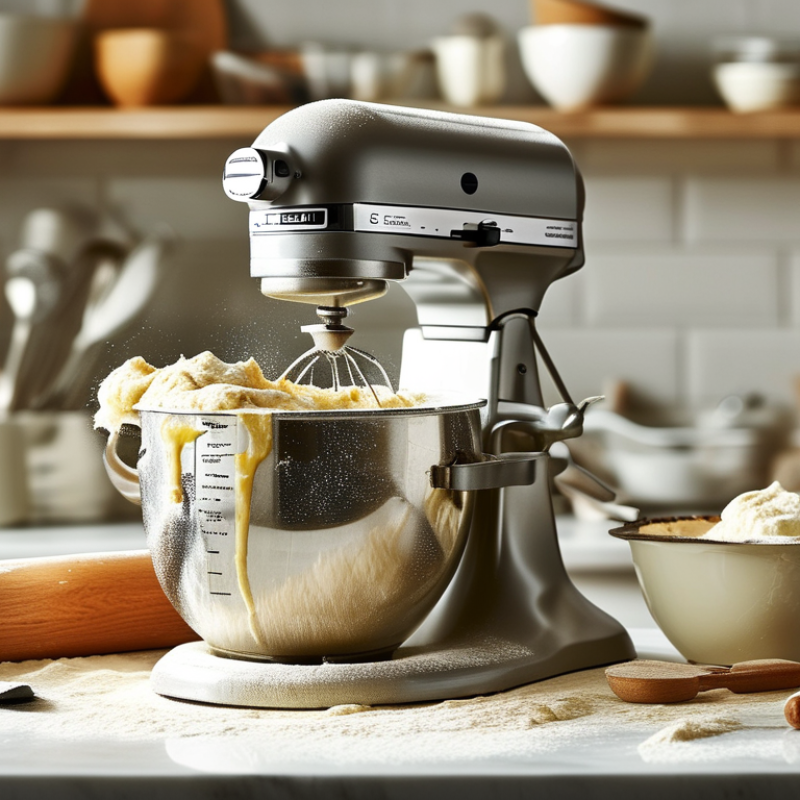
2026 Best Must Have Baking Tools for Beginners?

Essential Baking Tools Every Beginner Needs in 2026

A beginner’s baking kit should make accurate work easier, not fill every kitchen drawer. Start with a digital kitchen scale, measuring spoons, two mixing bowls, a whisk, and a flexible spatula. Weighing flour prevents the dense cakes that often come from packed cups. I learned this after several flat batches.

Choose one sturdy baking tray, a round cake pan, and a wire cooling rack. Parchment paper helps cookies release cleanly and reduces scrubbing. An oven thermometer is also valuable because many ovens run hotter or cooler than their displays suggest. Check its reading before trusting a delicate sponge cake. Small details matter.

A hand mixer can save effort when creaming butter, but a whisk works for muffins and simple batters. Keep a rolling pin nearby if you plan to make biscuits or pastry. A timer, heatproof mitts, and a small bowl for cracked eggs improve control and safety. Do not overlook storage for flour and sugar; moisture changes their texture. My own setup is still imperfect. I sometimes reach for the wrong spoon, then wonder why the dough feels dry. A beginner-friendly kitchen allows that learning curve while keeping measurements, heat, and timing dependable.

How to Choose Measuring, Mixing, and Preparation Tools

Choosing the best baking tools in 2026 starts with accurate measuring, not expensive equipment. A digital kitchen scale gives more reliable flour measurements than packed cups. Still, keep measuring spoons for small amounts of salt, baking powder, and vanilla. Choose clear markings, steady handles, and a scale that reads in grams. I sometimes misread a crowded display when rushing, so I place it at eye level.

Mixing tools should match the recipe and your bowl size. A wide stainless-steel bowl resists stains and gives enough space for folding batter. A balloon whisk works well for eggs and cream, while a flexible spatula scrapes thick mixtures from the sides. Look for a firm connection between the handle and head. Weak joints collect batter and become difficult to clean. That detail matters.

Preparation tools make small tasks easier. A fine sieve removes flour lumps and spreads dry ingredients evenly. A bench scraper portions dough and cleans a work surface without damaging it. Parchment paper helps release cookies, but careful fitting prevents burned edges. Choose tools with smooth surfaces and dishwasher-safe construction when possible. I once bought too many gadgets and used only four regularly. Beginners may need less, but better-selected tools. Keep them visible, clean, and close to the mixing area.

2026 Best Must-Have Baking Tools for Beginners? – How to Choose Measuring, Mixing, and Preparation Tools

Tool Category Essential Tool Recommended Material Useful Capacity or Size Best Beginner Use Key Buying Consideration
Measuring Digital Kitchen Scale Tempered glass or sealed stainless steel At least 5 kg capacity; 1 g increments Accurately measuring flour, sugar, butter, and liquids by weight Choose a tare function, clear display, and easy-to-clean surface
Measuring Measuring Cup Set Stainless steel or durable food-safe plastic 1/4, 1/3, 1/2, and 1 cup Measuring dry ingredients when a recipe uses volume Look for clearly marked measurements and level edges
Measuring Liquid Measuring Jug Heat-resistant glass or transparent food-safe plastic 500–1,000 ml with metric and cup markings Measuring milk, water, oil, and melted ingredients Select a stable base, readable scale, and comfortable handle
Measuring Measuring Spoon Set Stainless steel or rigid food-safe plastic 1/4 tsp, 1/2 tsp, 1 tsp, 1 tbsp Portioning salt, baking powder, spices, and extracts Narrow, level bowls are easier to fill and scrape accurately
Mixing Large Mixing Bowl Stainless steel, glass, or thick food-safe plastic 3–5 liters Combining cake batter, cookie dough, and quick-bread mixtures A wide rim, stable base, and enough room to prevent splashing
Mixing Medium Prep Bowls Glass, stainless steel, or food-safe plastic 500 ml–2 liters Holding sifted flour, eggs, toppings, and pre-measured ingredients Nested sets save storage space and simplify preparation
Mixing Balloon Whisk Stainless steel wires with a comfortable handle 25–30 cm length Aerating eggs, blending dry ingredients, and making simple batters Choose flexible wires that are firmly attached to the handle
Mixing Silicone Spatula Heat-resistant silicone with a solid core 25–30 cm length Folding flour into batter and scraping bowls clean A flexible edge and one-piece construction improve hygiene
Mixing Hand Mixer Food-safe plastic housing with stainless steel beaters 3–5 speed settings Creaming butter and sugar, whipping cream, and mixing cake batter Prioritize comfortable controls, removable beaters, and manageable weight
Preparation Fine-Mesh Sieve Stainless steel mesh 15–20 cm diameter Removing lumps and evenly combining flour, cocoa, or powdered sugar Use a fine, firmly supported mesh with a comfortable rim
Preparation Rolling Pin Wood, stainless steel, or food-safe silicone 35–45 cm length Rolling pie dough, cookie dough, and pastry A smooth, even surface and comfortable grip support uniform thickness
Preparation Baking Sheet Heavy-gauge aluminum or coated steel Approximately 33 × 46 cm Baking cookies, biscuits, roasted toppings, and small pastries A level surface and raised edges help prevent warping and spills
Preparation Round Cake Pan Heavy-gauge metal with a durable nonstick coating 20–23 cm diameter Making basic layer cakes, sponge cakes, and cheesecakes Straight sides and a securely rolled rim make release easier
Preparation Parchment Paper Unbleached or bleached food-grade paper Sheet size suitable for the baking pan Reducing sticking and simplifying cleanup Check the package temperature rating and avoid direct contact with heating elements
Preparation Cooling Rack Chrome-plated or stainless steel At least 30 × 40 cm Allowing air to circulate around cakes, cookies, and bread Select a sturdy grid with feet that lift food above the counter
Preparation Oven Thermometer Stainless steel with a heat-resistant dial or digital sensor Range of approximately 50–300°C Checking whether the oven temperature matches its setting Choose clear markings and a design that can hang or stand securely
Preparation Bench Scraper Stainless steel blade with a non-slip handle Blade approximately 15 cm wide Dividing dough, lifting pastry, and cleaning flour from work surfaces A straight edge is useful for portioning and scraping

Must-Have Tools for Shaping, Baking, and Decorating

For beginners, shaping tools should feel simple and steady. A sturdy rolling pin helps create even dough without crushing delicate layers. Use a bench scraper to divide dough, lift sticky pieces, and clean the work surface. Small cutters are useful for biscuits, but measure their edges before cutting. Uneven shapes often bake at different speeds. I learned this after producing a tray with dark corners and pale centers.

Baking depends on control, not expensive equipment. A digital kitchen scale improves accuracy, especially for flour and butter. Keep parchment paper, a flat baking sheet, and a cooling rack nearby. An oven thermometer can reveal temperature differences that the oven display hides. Leave space between portions for airflow. Check the first batch early, because every oven behaves differently. Mine runs slightly hot, so I reduce the temperature and watch the edges carefully.

Decorating becomes easier with a small offset spatula, piping bags, and two basic piping tips. A turntable can help with cakes, though it is not essential for practice. Fill bags only halfway; fuller bags become difficult to control. Let cookies or cakes cool completely before adding icing. Otherwise, the decoration may slide or melt. I still make uneven swirls sometimes. That is useful feedback, not failure. Photographing each attempt can reveal pressure, temperature, and timing problems more clearly than memory.

2026 Best Must-Have Baking Tools for Beginners

This chart shows typical non-brand retail price ranges in USD for essential beginner baking tools used for shaping, baking, and decorating. Prices vary by material, size, and region, but these tools provide a practical starting point for a complete home baking setup.

Safety, Cleaning, and Storage Tools for Home Bakers

2026 Best Must Have Baking Tools for Beginners?

A safe baking setup begins with heat protection. Choose thick oven mitts that cover your wrists, not thin cloth gloves. A digital oven thermometer can reveal uneven heat or an inaccurate oven display. Keep a sturdy cooling rack nearby, so hot pans stay away from wet towels and crowded counters. A small first-aid kit also deserves space in the kitchen. Beginners often rush when a timer rings.

Cleaning tools should protect both food and surfaces. Use a soft dish brush for pans, a narrow brush for mixer attachments, and a silicone scraper for dried batter. Scrape leftovers into the bin before washing; flour can swell inside drains. Wash tools according to their care instructions, especially wooden handles and sharp edges. I once soaked a wooden scraper overnight, and it cracked later. That mistake taught me to dry wood immediately. Clean countertops with a suitable food-contact cleaner, then follow its directions for rinsing.

Storage affects safety and baking accuracy. Airtight containers keep flour and sugar dry, while clear labels show the purchase date and ingredient name. Store heavy pans on lower shelves, where they are less likely to fall. Use dividers for measuring spoons, cutters, and small nozzles. Keep knives covered or in a secure block. Check cords, handles, and coatings regularly. A damaged tool may look usable, but it can fail during a busy baking session. Leave space between stored items, because cramped drawers encourage careless grabbing.

How to Build an Affordable Beginner Baking Kit

2026 Best Must-Have Baking Tools for Beginners

How to Build an Affordable Beginner Baking Kit

A beginner baking kit does not need every gadget on the shelf. Start with a digital kitchen scale, two mixing bowls, a sturdy whisk, and a flexible spatula. Measuring by weight improves consistency, especially for flour and sugar. I learned this after several dense cakes caused by packed cups of flour.

Add measuring spoons, a flat baking tray, one round cake tin, and reusable parchment. A cooling rack helps cakes and cookies set without turning soggy underneath. Choose an oven thermometer if your oven heats unevenly. Many home ovens are inaccurate, and recipes cannot correct a hidden temperature problem. Keep an oven mitt nearby. Small burns are still burns.

Buy tools gradually.

A hand mixer can save time, but a whisk works for many beginner recipes. A small sieve is useful for removing flour lumps, although I sometimes skip it when the batter looks smooth. That shortcut is not always wise. Avoid single-purpose gadgets until you understand what you bake most often. Store tools where you can reach them easily, because an inconvenient setup discourages practice. Wash and dry everything fully, particularly wooden handles and silicone edges. With this compact kit, beginners can make cookies, muffins, simple bread, and basic cakes without overspending.

FAQS

Which baking tools should a beginner buy first?

Start with a digital kitchen scale, two mixing bowls, measuring spoons, a whisk, and a flexible spatula. Keep it simple.

Why is a digital kitchen scale useful?

It measures flour and sugar more accurately than packed cups. This can prevent dense cakes and dry dough.

Do beginners need a hand mixer?

Not always. A whisk handles muffins and simple batters, while a hand mixer reduces effort when creaming butter.

Which pans are enough for basic baking?

Choose one sturdy baking tray and one round cake pan. This setup supports cookies, muffins, cakes, and simple bread.

Why should I use an oven thermometer?

Oven displays can be inaccurate. A thermometer may show that the oven runs hotter or cooler than expected.

What tools improve baking safety?

Use thick oven mitts covering your wrists, a cooling rack, and a timer. Keep a small first-aid kit nearby.

How should baking tools be cleaned?

Scrape dried batter into the bin before washing. Use soft brushes and follow care instructions for wood, silicone, and sharp edges.

How should flour and sugar be stored?

Use airtight containers with clear labels and purchase dates. Moisture changes texture. Store heavy pans on lower shelves.

Which tools can wait until later?

Delay single-purpose gadgets until your baking habits become clearer. A rolling pin and sieve are useful, but not essential immediately.

What common beginner mistake should I expect?

Small errors happen. I sometimes grab the wrong spoon and create dry dough, so checking measurements remains important.

Conclusion

This guide, “2026 Best Must Have Baking Tools for Beginners,” explains what are the must have baking tools for beginners and how each tool supports successful home baking. It covers essential measuring cups and spoons, a reliable kitchen scale, mixing bowls, whisks, spatulas, and preparation tools that help beginners follow recipes accurately. It also introduces useful equipment for shaping dough, preparing pans, baking evenly, and adding simple decorative details to cakes, cookies, and pastries.

The article also highlights safety, cleaning, and storage practices, including heat protection, proper handling of sharp tools, easy-to-clean surfaces, and organized storage. Finally, it shows how to build an affordable beginner baking kit by purchasing versatile essentials first and adding specialized tools gradually. With the right basic equipment and practical habits, new bakers can work more confidently, reduce waste, and enjoy a smoother, safer, and more creative baking experience.

Isabella

Isabella

Isabella is a dedicated marketing professional with a sharp focus on driving brand growth and engagement through strategic content creation. With an extensive background in digital marketing, she combines her passion for storytelling with her keen understanding of industry trends to deliver......