7 Best Benefits of Silicone Baking Mats?

Time:2026-11-01 Author:Mason
0%

A tray of cookies can turn messy fast. Dough sticks, parchment slides, and a thin layer of grease is easy to overdo. Silicone baking mats offer a reusable surface designed to reduce sticking and simplify cleanup. But what are the benefits of silicone baking mats beyond convenience?

This guide explores seven practical advantages, including less reliance on disposable parchment, easier food release, and quicker washing after baking. A mat can also help keep a baking sheet cleaner when roasting vegetables or preparing sticky treats. Picture lifting cooled cookies from a flexible surface instead of scraping browned sugar from a pan. Small improvements like that can make regular baking feel less fussy.

There are limits, too. A mat does not replace a sturdy baking sheet or guarantee evenly baked results. Its performance depends on the recipe, oven, and how well the mat fits the pan. Follow the manufacturer’s temperature guidance, and avoid cutting directly on the surface. That matters.

This overview focuses on useful, realistic benefits rather than treating silicone as a perfect solution. Mats need proper cleaning and drying, and some bakers may still prefer parchment for certain recipes. The best choice depends on what you bake and how you work. A little trial and error may be needed.
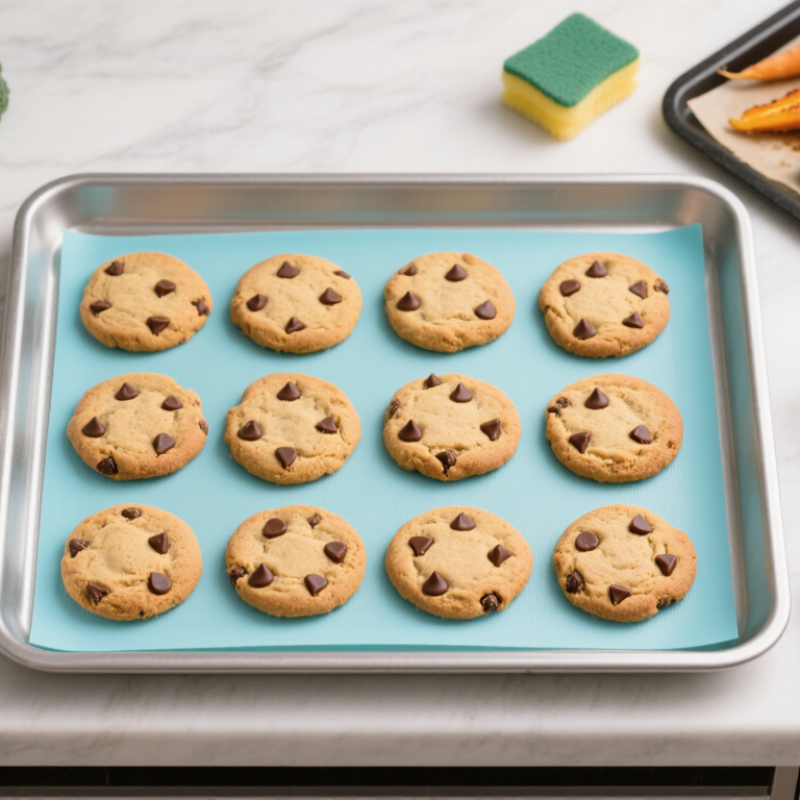
7 Best Benefits of Silicone Baking Mats?

How Reusable Silicone Mats Reduce the Need for Parchment Paper

A reusable silicone baking mat gives cookies, roasted vegetables, and pastries a nonstick surface without a fresh sheet of parchment each time. Set it flat on a baking tray, then place dough directly on top. No trimming needed. The mat can catch small drips, too, which means less baked-on residue on the tray. For regular home baking, replacing disposable liners can reduce the number of sheets thrown away.

Cleanup is usually simple: let the mat cool, wash it with warm water and mild dish soap, then dry it fully before storing. Greasy foods may leave a film, so a quick rinse may not be enough. Avoid cutting on the mat; a knife can damage its surface. Check the care instructions and temperature limit, since heat tolerance varies by product.

A mat is useful, but it does not replace parchment in every recipe. Parchment can be easier to lift when moving delicate meringues or lining a narrow cake pan. Silicone mats also take up storage space and can feel awkward to roll out flat at first. I’ve found that crumbs sometimes cling around the edges, a small annoyance worth noticing. For everyday tray baking, though, one durable mat can make disposable paper less necessary.

Why Nonstick Surfaces Make Food Release and Cleanup Easier

A silicone baking mat gives cookies, roasted vegetables, and delicate pastries a flexible surface that helps them lift away with less scraping. Once the tray cools, you can often bend the mat slightly and release crumbs from its edges. That can mean fewer torn cookies and less residue baked onto the pan. Small difference, but useful.

Cleanup is usually simpler, too. Rinse the mat with warm water, then wash away butter or oil with dish soap and a soft sponge. No soaking a sticky baking sheet for an hour. Still, nonstick does not mean no mess: sugary glazes and melted cheese may cling, especially if left to cool completely. A thin greasy film can also be easy to miss. I’ve found that checking the mat under good light helps before putting it away. Let it dry flat, and avoid sharp tools that could damage the surface. Food release can vary with the recipe, so a mat is helpful—not a guarantee.

How Silicone Mats Help Protect Baking Sheets from Messes

7 Best Benefits of Silicone Baking Mats?

A silicone baking mat creates a reusable barrier between food and a baking sheet. That barrier catches butter, oil, and sticky drips before they bake onto the metal. Roasting vegetables or baking cheese-topped pastries can leave stubborn spots. With a mat in place, cleanup often takes less scrubbing.

It helps most with sugary or greasy foods. A few drops of caramel can harden into a frustrating patch on bare metal; on a mat, residue usually lifts with warm water and dish soap. Let the mat cool first. Then wash it gently and dry it fully before storing. Avoid cutting directly on its surface, since knife marks can weaken it over time.

Still, it is not magic. A mat may reduce mess, but it will not keep a baking sheet pristine forever. High heat, lingering grease, and ordinary wear can still affect cookware. Check the mat’s care and temperature guidance, and make sure it lies flat on the pan. A curled edge can let drips sneak underneath. That detail is easy to miss.

7 Best Benefits of Silicone Baking Mats: How They Help Protect Baking Sheets from Messes

A silicone baking mat sits between food and the baking sheet, helping catch drips and keep sticky or oily residue off the pan. The chart shows barrier functions, not measured performance; uncovered areas of the sheet can still get messy.

What Makes Silicone Mats Useful for Different Baking Tasks

Silicone baking mats are useful when a recipe needs a clean, reusable work surface. For cookies, they help prevent dough from sticking and make it easier to lift delicate edges without tearing them. Pastry dough can also be rolled on a mat, with less flour scattered across the counter. That matters for laminated dough, where excess flour can affect the finished layers. Cleanup is easier. Often.

The mats suit sticky tasks, too, such as shaping caramel or kneading soft dough. Some cooks use them beneath vegetables on a sheet pan, though browning may be less crisp than on bare metal. Silicone does not conduct heat like a baking sheet, so it should sit on a sturdy pan rather than directly on an oven rack. Check the mat’s heat limit, and avoid cutting on it; a knife can leave damage that is hard to notice at first. They are not magic. I would not use one for every recipe, especially when a deeply browned or crunchy base is the goal. A little trial and observation help: compare one batch on a mat with another on parchment, then judge the texture you prefer.

How Durability and Reuse Can Lower Long-Term Baking Costs

A silicone baking mat can reduce repeat purchases, but the savings depend on how often you bake and how long the mat lasts. Consider a simple cost check: if a mat costs $12 and replaces parchment sheets costing $0.08 each, it breaks even after 150 uses. Those prices are illustrative; compare local costs and count actual uses. A mat used twice a week could reach that point in about a year and a half. Not instantly.

Reusable does not mean indestructible. Repeated folding, sharp utensils, and scorching can shorten a mat’s life, so store it flat and follow its care instructions. The U.S. Environmental Protection Agency’s 2018 materials report found that paper and paperboard packaging had an 80.9% recycling rate. That figure covers packaging, not baking parchment specifically, and recycling does not erase the cost of buying replacement sheets. A durable mat may reduce those purchases, though its own production and eventual disposal still matter.

For a fair comparison, track several months of parchment use and note whether the mat replaces full sheets or only part of them. Wash it gently after sticky bakes, and check for cuts, tackiness, or persistent odors before reusing it. Small defects matter. If a mat needs replacing early, the expected savings shrink; if it remains usable through many batches, each bake costs less over time.

FAQS

Can a silicone baking mat replace parchment paper for everyday baking?

Often, yes. Place it flat on a baking tray and set cookie dough or vegetables directly on top. It can reduce disposable sheets, though some recipes still need parchment.

How does the mat help with food release?

Its flexible, nonstick surface can help cookies and pastries lift with less scraping. Bend it gently after cooling. It is helpful, not guaranteed.

Does it protect baking sheets from sticky drips?

Yes, it catches butter, oil, and small sugary drips before they bake onto metal. A curled edge can let residue sneak underneath.

What is the easiest way to clean it?

Let it cool, rinse with warm water, then wash with mild dish soap and a soft sponge. Dry it fully. Grease can linger.

Can every baked food lift off cleanly?

No. Melted cheese and sugary glazes may cling, especially after cooling. Check under good light; a thin film is easy to miss.

Should I use the mat for delicate meringues or narrow cake pans?

Not always. Parchment may be easier to lift with delicate meringues or fit into a narrow pan. That limitation is worth remembering.

How should I store and care for a silicone mat?

Follow its care instructions and temperature limit, since heat tolerance varies. Store it only after it is dry. It can feel awkward to flatten at first.

Can I cut food directly on the mat?

Avoid it. A knife can damage the surface. I sometimes overlook crumbs near the edges; they are annoying, but manageable.

Conclusion

What are the benefits of silicone baking mats? These reusable mats can reduce reliance on parchment paper and provide a convenient surface for baking. Their nonstick texture helps cookies, pastries, and other foods release more easily, while making cleanup simpler by limiting stuck-on residue. They can also catch drips and crumbs, helping protect baking sheets from messes and reducing the time spent scrubbing after baking.

Silicone mats are useful for a range of tasks, from baking cookies and roasting vegetables to preparing sticky or delicate foods. With proper care, a durable mat can be used repeatedly, making it a practical alternative to continually buying disposable liners. Over time, that reusability may lower the cost of baking supplies while creating less kitchen waste.

Mason

Mason

Mason is a seasoned marketing professional with a deep expertise in the company's offerings and a passion for driving brand awareness. With a strong background in digital marketing strategies, he has an innate ability to connect with diverse audiences and effectively communicate product benefits.......