When it comes to cooking, a well-sharpened knife is crucial. Chef Emily Hart, a renowned culinary expert, emphasizes, "A sharp knife is the chef's best friend." Knowing how to sharpen kitchen knives at home is essential for anyone who enjoys cooking. It transforms meal prep from a chore into a joyful task.
Many home cooks struggle with dull knives. They often overlook the importance of keeping their blades sharp. A dull knife can be dangerous; it requires more force to cut. This can lead to accidents. Understanding how to sharpen kitchen knives at home can enhance safety and efficiency in the kitchen.
Improper sharpening techniques can harm your knives. It's vital to choose the right method and tools for the job. Learning can feel overwhelming. Not all methods are suitable for every knife type. However, the benefits of a sharp knife cannot be overstated. In time and practice, anyone can master this skill, enhancing both their safety and culinary experience.
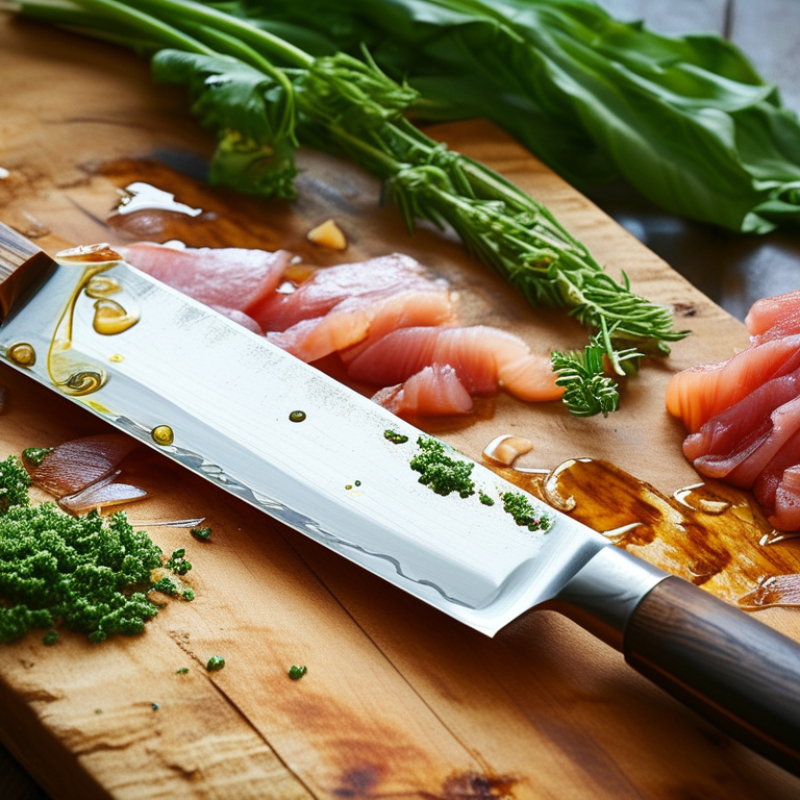
Essential Tools for Sharpening Kitchen Knives at Home
When sharpening kitchen knives at home, having the right tools is essential. A whetstone is a popular choice for many home cooks. It comes in various grits, allowing for fine adjustments. Use coarse grits for dull blades and finer ones for honing. A good quality whetstone can last years if maintained properly.
Another effective tool is the honing steel. This rod keeps blades aligned. It's easy to use, but not for sharpening. A few swipes will do the trick. A strop, made of leather or fabric, can also be useful. It polishes the edge and removes microscopic burrs.
Don't forget about electric sharpeners. These can create a sharp edge quickly. However, they may remove more material than necessary. Sometimes, hand sharpening gives more control. Reflect on what feels comfortable and effective for you. Each method has pros and cons. Choose what suits your skill level and knife quality. Sharpening should be a mindful process.
Step-by-Step Guide to Using a Whetstone for Optimal Sharpness
Sharpening kitchen knives at home can seem daunting, but using a whetstone is a straightforward method.
Start by choosing the right whetstone for your knives. A 1000-grit stone is usually ideal for sharpening.
Make sure your knife is clean before beginning the process. Soak the whetstone in water for about 10-15 minutes for better results.
Hold the knife at a 20-degree angle against the stone. This angle is crucial for achieving optimal sharpness.
Draw the blade across the stone with light pressure, moving from the heel to the tip.
Repeat this action 5 to 10 times on each side. Keep your strokes even and controlled.
It’s okay if you feel a bit of resistance; this means the stone is doing its job.
Tips: Maintain a consistent angle throughout the sharpening process. If you are unsure, use a marker on the edge of the blade.
This can help you see where you are removing material. Remember to wipe the blade clean after sharpening to check your progress.
Reflect on your technique. If the knife doesn't feel sharp enough, consider practicing more.
It's a skill that improves over time.
How to Maintain Knife Edge with a Honing Steel
Honing steel is essential for maintaining the edge of your kitchen knives. Regular use can keep your knives sharp and ready for action. To use a honing steel properly, hold the steel vertically with the tip on a stable surface. Angle your knife at about 20 degrees, then slide the blade down the steel from the base to the tip in a sweeping motion. Repeat this process several times on each side of the knife. This simple technique will help align the microscopic teeth on the blade's edge.
Tips for honing your knives include practicing consistent pressure and angle. It's easy to apply too much force. If you do, you may cause more harm than good. Hone your knife before each use for optimal performance. If you notice that your knife still feels dull after honing, it may need professional sharpening. Don't hesitate to seek a specialist if your skills fall short.
Remember that honing cannot replace sharpening. Regular maintenance with honing steel can extend the time between professional sharpenings. Over time, your technique will improve, and so will your knife's performance. Every time you hone, reflect on your motions. Ask yourself if your angle is consistent. Adjust as needed—sharp knives make cooking enjoyable and safe.
Comparing Electric Knife Sharpeners vs Manual Methods
When it comes to sharpening kitchen knives, understanding the choice between electric sharpeners and manual methods is crucial. Electric knife sharpeners are often praised for convenience. They work quickly, typically sharpening a knife in under a minute. According to a report by the American Culinary Institute, about 60% of home cooks prefer electric options for their speed and ease of use. However, this method may lack the subtlety experienced chefs appreciate.
Manual sharpening methods, such as whetstones or honing rods, allow for more control. They can achieve a finer edge, which is critical for precise cutting tasks. Research indicates that knives sharpened manually tend to maintain their sharpness longer. About 70% of professional chefs express a preference for manual sharpening techniques. Yet, achieving the perfect angle requires practice, and many home cooks struggle with this. It’s common to overlook this skill, leading to inconsistencies in blade performance.
While electric models provide a straightforward sharpening process, they can also remove more material than necessary over time. This can shorten the lifespan of beloved knives. Reflecting on these factors, cooks should assess their own needs before deciding. It's not just about speed; quality and longevity matter too. Balancing convenience with precision often leads to the best outcomes in kitchen knife maintenance.
10 Best Ways to Sharpen Kitchen Knives at Home
Safety Tips to Consider While Sharpening Your Kitchen Knives
Sharpening kitchen knives can often feel intimidating. However, safety should always be the priority. According to industry reports, around 36% of kitchen accidents involve cuts from dull or improperly maintained knives. This statistic highlights the importance of both sharpness and safe sharpening techniques.
When sharpening at home, use a stable surface. A non-slip mat can help secure your sharpening tool. Always keep your fingers clear of the blade's path. For instance, consider using a guide. This can prevent uneven sharpening and potential slips. Remember, no matter how skilled you are, mistakes can happen. In 2022, nearly 100,000 emergency room visits were recorded due to kitchen knife injuries.
It's also essential to maintain focus during the process. Distractions can lead to accidents. Always inspect your knife before starting. Look for any chips or cracks that might worsen during sharpening. If unsure, consult a professional's advice, particularly if the blade is high-quality. Knives not only serve a practical function; they are an investment in your culinary experience. Caring for them right can substantially promote safety and efficiency.
10 Best Ways to Sharpen Kitchen Knives at Home - Safety Tips to Consider While Sharpening Your Kitchen Knives
| Method |
Description |
Safety Tips |
| Whetstone |
A flat stone used to grind and hone the edges of the knife. |
Ensure the stone is stable and use a guided angle for best results. |
| Honing Rod |
A steel rod used to realign the edge of the blade without removing material. |
Keep fingers away from the blade path; use a firm grip. |
| Electric Knife Sharpener |
An appliance that sharpens knives with rotating abrasive wheels. |
Follow the manufacturer’s instructions, and avoid forcing the knife. |
| Manual Pull-Through Sharpener |
A simple device that sharpens a knife by pulling it through two slots. |
Ensure the sharpener is on a flat surface to prevent slipping. |
| Ceramic Rod |
A rod made of ceramic material that sharpens the knife's edge. |
Use a light touch as ceramic can be brittle and break. |
| Leather Strop |
A strip of leather used to polish the edge of the knife after sharpening. |
Be cautious with the angle to avoid cutting into the leather. |
| Sandpaper Method |
Using fine grit sandpaper on a flat surface to sharpen the knife. |
Keep the knife at a consistent angle; use a cutting board underneath. |
| Flat Glass Surface |
Using a flat piece of glass with honing compound to sharpen the blade. |
Secure the glass to prevent slipping while sharpening. |
| Professional Services |
Using professional knife sharpening services for best results. |
Check reviews and ensure the service has a good reputation. |
FAQS
: A 1000-grit whetstone is usually ideal for sharpening.
Soak the whetstone in water for about 10-15 minutes.
Hold the knife at a 20-degree angle against the stone.
Repeat the sharpening action 5 to 10 times on each side.
Reflect on your technique and practice more to improve.
Always keep your fingers clear of the blade's path.
Use a guide to help maintain a consistent angle and avoid slips.
Check for chips or cracks that may worsen during the sharpening process.
Distractions can lead to accidents; stay focused during the process.
If unsure, especially with high-quality knives, consider professional advice.
Conclusion
When learning how to sharpen kitchen knives at home, it's essential to have the right tools, such as a whetstone or honing steel. The process typically begins with a detailed step-by-step guide to utilizing a whetstone, which can help achieve optimal sharpness by carefully maintaining the angle and applying the right pressure. Additionally, understanding how to use a honing steel can help sustain the knife edge between sharpenings, enhancing overall performance.
The choice between electric knife sharpeners and manual methods is also a crucial consideration, as both have their pros and cons. It's important to keep safety in mind while sharpening to prevent accidents and ensure an efficient sharpening process. With the proper techniques and equipment, anyone can effectively sharpen their kitchen knives at home, enhancing their cooking experience significantly.

 Fergus Kitchen