7 Tips for Choosing the Right Kitchen Knife Set

Time:2026-10-25 Author:Sophia
0%

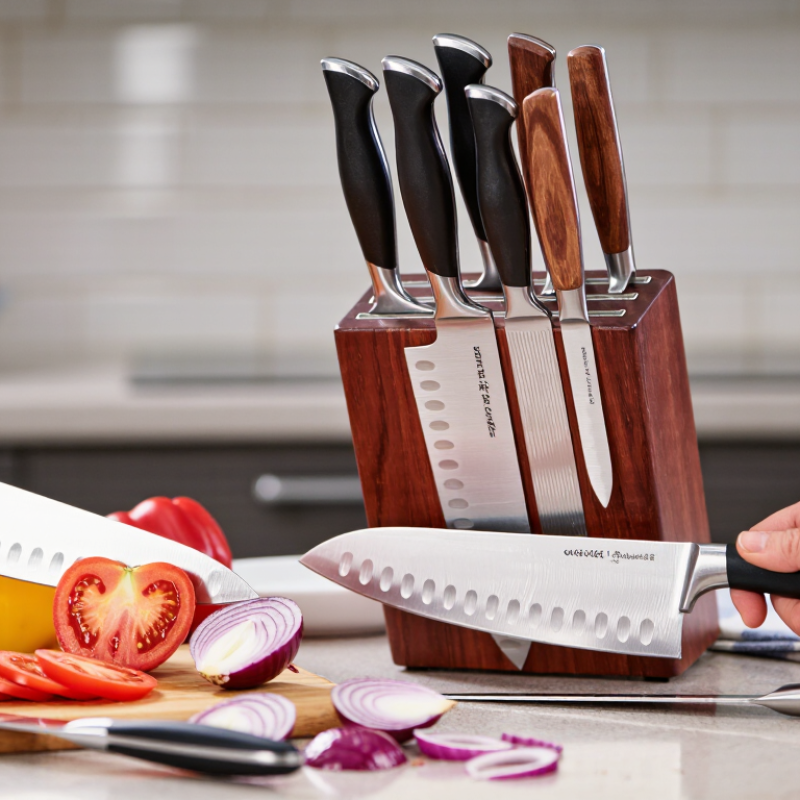
Choosing the right kitchen knife set can change how calmly and efficiently you prepare meals. A balanced chef’s knife should feel secure, not awkward, when chopping onions or slicing a tomato. The handle should fit your grip, while the blade should match your cooking habits. A home cook who prepares vegetables daily may need different knives from someone who mainly cuts meat. More pieces do not always mean better value. Sometimes, half the block remains untouched.

This guide explores how to choose the right kitchen knife set through seven practical tips. It considers blade materials, edge retention, handle comfort, knife sizes, storage, maintenance, and overall value. These details matter in real kitchens, especially when your hands are wet or dinner is already late. I have found that a knife’s advertised sharpness tells only part of the story. Balance, control, and ease of sharpening often matter more over time. Small differences become noticeable.

Reliable recommendations should also acknowledge limitations. Stainless steel may resist stains, but some softer blades lose their edge sooner. Harder steel can stay sharp longer, yet it may require more careful handling and sharpening. Budget sets can perform well, although their included knives may vary in quality. This article will help you compare those trade-offs without chasing unnecessary features. The best set is not the most expensive one. It is the set you can use safely, comfortably, and consistently.
7 Tips for Choosing the Right Kitchen Knife Set

Understanding Knife Types and Their Kitchen Uses

Understanding knife types is the first step toward choosing a useful kitchen knife set. A chef’s knife handles onions, herbs, and firm vegetables. A paring knife suits peeling and small trimming tasks. A serrated knife cuts bread without crushing its crust. A utility knife fills the gap between these sizes, though many cooks rarely need one. A carving knife helps with roasts and large cooked foods. I often find that a smaller set works better than a crowded block.

Tip: Match each knife to your routine. If you cook vegetables daily, prioritize a balanced chef’s knife. If you bake often, choose a reliable serrated knife. Hold the handle before buying. It should feel steady, not slippery or tiring. Blade length also matters. A long blade can feel awkward on a small cutting board. A shorter blade may offer better control.

Tip: Examine the knife’s edge and construction. A sharp edge should meet the handle cleanly, with no rough gaps. Full-tang construction can improve balance, but weight preferences differ. That point is easy to overstate. Personal comfort matters more than a feature list.

Tip: Check storage needs. A safe block, sheath, or magnetic strip protects edges and fingers.

Tip: Confirm care instructions. Some knives tolerate dishwashers poorly, despite convenient claims. Hand washing and immediate drying usually protect the blade.

Tip: Buy fewer knives first. Add specialized tools only after real cooking exposes a missing function.

Assessing Blade Materials, Sharpness, and Edge Retention

A reliable kitchen knife set starts with its blade material, not its shine. High-carbon stainless steel usually balances toughness, corrosion resistance, and useful sharpness. Plain stainless steel resists stains, but softer versions may need frequent honing. Ceramic blades stay impressively sharp, yet they can chip when dropped or twisted. Check the steel description and hardness range, if provided. Vague claims deserve caution. In practical kitchen testing, geometry often mattered as much as steel. A thin, well-ground edge sliced tomatoes cleanly, even when its steel was ordinary.

Judge sharpness by control, not a dramatic finger test. A good chef’s knife should glide through a ripe tomato without crushing its skin. It should also make thin onion slices with little force. Never test an edge on your finger. Edge retention depends on hardness, bevel angle, cutting technique, and board material. A very acute edge feels thrillingly sharp, but it may roll sooner. A slightly thicker edge can survive daily chopping better. Look for a clean, even bevel under bright light. Uneven reflections may reveal rough grinding. That detail is easy to miss.

Choose sets with different useful profiles, not seven nearly identical blades. Match the paring knife to small produce and the chef’s knife to heavier work. Ask whether the blades tolerate hand washing, because dishwasher heat and impact can shorten edge life. Use a stable wood or soft polymer board. Glass and stone are unforgiving. Hone regularly, but remember that honing realigns an edge; it removes little metal. Sharpen when honing stops helping. I still overvalue extreme sharpness sometimes. A dependable edge that lasts through dinner is usually the wiser choice.

Choosing Comfortable Handles and Balanced Knife Designs

7 Tips for Choosing the Right Kitchen Knife Set

A comfortable handle is not a luxury. It controls pressure, wrist position, and confidence during repeated cuts. NIOSH identifies awkward posture, forceful exertion, and repetition as major ergonomic risk factors. A good handle should fill your palm without stretching your fingers. Look for rounded edges, a secure texture, and enough space for wet knuckles. Sharp seams can become irritating quickly. I once underestimated that detail.

Tip: Hold each knife before buying. Mimic slicing, rocking, and chopping motions. Your wrist should stay nearly straight. The handle should not twist when you relax your grip. Handles that feel excellent for ten seconds may feel tiring after ten minutes. That small test exposes poor design.

Balance matters as much as comfort. A knife that feels excessively blade-heavy may require constant downward force. A handle-heavy knife can feel clumsy during precise cuts. Check the balance point near the bolster or handle joint. CPSC injury surveillance reports consistently identify lacerations as a recurring household injury category, so control deserves serious attention. Select sizes you can manage safely, not merely the largest set. NIOSH guidance also supports reducing unnecessary force and repeated awkward movement. A shorter chef’s knife may outperform a larger one in smaller hands. This is easy to overlook. Consider handle material, grip width, balance, and cleaning practicality together. A beautiful design can still be wrong for your hand.

7 Tips for Choosing the Right Kitchen Knife Set

Choosing Comfortable Handles and Balanced Knife Designs

A practical knife set should include blades suited to different preparation tasks. The chart shows common blade-length ranges and representative midpoint values for five widely used kitchen knife types. Blade length affects control, cutting capacity, and comfort, so choose a set that feels balanced and comfortable in your hand.

When comparing sets, check handle comfort, overall balance, secure grip, blade purpose, storage safety, ease of cleaning, and whether the included knives match your everyday cooking needs. Typical dimensions can vary by manufacturer.

Matching Knife Sets to Cooking Habits and Kitchen Tasks

7 Tips for Choosing the Right Kitchen Knife Set

Matching knives to your cooking habits matters more than collecting every blade. If you prepare vegetables daily, choose a comfortable chef’s knife, a smaller utility knife, and a reliable paring knife. Fit matters. Hold each knife briefly, if possible, and notice whether the handle feels secure with wet hands. A heavy blade may feel powerful, but it can tire your wrist during long chopping sessions.

Consider your usual ingredients. A serrated knife suits crusty bread and soft tomatoes, while a flexible fillet knife helps occasional fish preparation. For families cooking large meals, a broad chef’s knife and sturdy cutting board support faster prep. If you cook small portions, an oversized set may waste drawer space. Check the storage method, too; a protective block or sheath keeps edges separated and reduces careless handling. Keep it practical.

Look for balanced construction, a comfortable grip, and clear care instructions. Dishwasher cleaning may seem convenient, but repeated heat and detergent can dull edges or damage handles. Hand washing is usually gentler, although I sometimes neglect it when dinner runs late. That mistake happens. Dry knives promptly and sharpen them according to actual use, not a rigid calendar. Avoid buying duplicate blades simply because a set looks complete. The best set supports your habits, your counter space, and the tasks you genuinely perform.

Checking Set Quality, Maintenance Needs, and Overall Value

A useful kitchen knife set should feel dependable before it looks attractive. Hold each knife by the handle and check whether the weight feels balanced near the blade. The handle should have smooth joins, with no sharp edges or loose movement. Examine the cutting edge under bright light. Uneven reflections may reveal dents or inconsistent grinding. A firm, comfortable grip matters more than decorative packaging.

Maintenance needs can change the set’s real value. Carbon-rich steel may hold an edge well, but it can stain when left wet. Stainless steel is usually easier for busy kitchens, though it still needs prompt drying. Check whether the knives require hand washing, regular honing, or occasional professional sharpening. A knife block should also allow airflow. Trapped moisture can create unpleasant marks around the blades. Dishwasher cleaning may seem convenient, but heat and harsh detergent can damage handles and edges.

Count the knives you will actually use. A smaller set with a chef’s knife, utility knife, paring knife, and reliable shears may outperform a large collection. I once bought a set with several unused blades and regretted the wasted drawer space. That choice looked economical at first. It was not. Compare steel quality, warranty terms, included storage, and replacement costs. If one knife feels awkward during a simple tomato slice, do not ignore that warning. A confident cut should not require excessive pressure. Even experienced cooks can misjudge value when a polished display distracts from daily comfort.

FAQS

Which kitchen knives are most useful for everyday cooking?

A chef’s knife handles onions, herbs, and firm vegetables. A paring knife helps with peeling and small trimming. Add a serrated knife if you often cut bread or soft tomatoes. Keep the set small.

Do I need a utility knife in my kitchen?

Not necessarily. A utility knife fits between a chef’s knife and a paring knife. Many cooks rarely use one. Check your routine before adding it.

How should a kitchen knife handle feel?

The handle should fill your palm without stretching your fingers. Rounded edges and a secure texture improve comfort. Leave space for wet knuckles. Sharp seams become irritating quickly.

How can I test a knife before buying it?

Hold it and mimic slicing, rocking, and chopping. Your wrist should stay nearly straight. The handle should not twist when you relax your grip. Ten seconds can mislead you.

Why does knife balance matter?

A blade-heavy knife may require constant downward force. A handle-heavy knife can feel clumsy during precise cuts. Check the balance point near the handle joint. Comfort matters more than a feature list.

What knife size suits a small cutting board?

A long blade may feel awkward on a small board. A shorter chef’s knife can offer better control. Choose a size you can manage safely. Bigger is not always better.

Which knives suit different cooking habits?

Choose a balanced chef’s knife for frequent vegetable preparation. Select a serrated knife for crusty bread. A flexible fillet knife suits occasional fish preparation. Match the knife to real tasks.

How should kitchen knives be cleaned and stored?

Hand wash knives and dry them immediately. Heat and detergent may dull edges or damage handles. Store them in a block, sheath, or magnetic strip. Safe storage protects fingers and edges.

How many knives should I buy at first?

Start with the knives you genuinely use. A chef’s knife, paring knife, and serrated knife cover many tasks. Add specialized tools after a real need appears. Complete-looking sets can waste drawer space.

Conclusion

Choosing the right kitchen knife set starts with understanding the purpose of each knife. A chef’s knife is useful for most chopping and slicing, while a paring knife handles small ingredients and a serrated knife works well for bread and soft produce. To learn how to choose the right kitchen knife set, consider blade materials, sharpness, and edge retention. Durable steel can provide reliable performance, but the knife should also be easy to sharpen and maintain.

Comfort and balance are equally important. Look for handles that feel secure in your hand and designs that reduce fatigue during extended preparation. Match the set to your cooking habits, whether you mainly prepare vegetables, meat, baked foods, or everyday family meals. Finally, check the overall quality, included accessories, storage options, cleaning requirements, and long-term value. A practical set with the knives you will actually use is usually a better choice than a large collection filled with unnecessary pieces.

Sophia

Sophia

Sophia is a dedicated marketing professional with an exceptional depth of knowledge about her company's products and services. With a keen understanding of market trends and customer needs, she crafts insightful blog posts that not only inform but also engage readers, enriching the company’s online......