When exploring the kitchen, one will often encounter pots and pans. These tools are essential for various cooking methods. However, many people might still wonder, "what is the difference between a pot and a pan?" Understanding this distinction can improve cooking techniques and enhance meal preparation.
Pots are typically deeper and have higher sides. They are suitable for boiling, simmering, and stewing. On the other hand, pans are shallower and have wider bases. They are designed for frying, sautéing, and browning foods. The materials used may vary, impacting heat conduction and cooking efficiency.
Choosing the right tool for a specific task can be tricky, especially for novice cooks. It’s crucial to recognize when to use each one effectively. Misunderstanding their uses could lead to a culinary disaster. Sometimes, experimenting with both can yield surprising results. Remember, the right choice enhances not just the process but also the final dish.
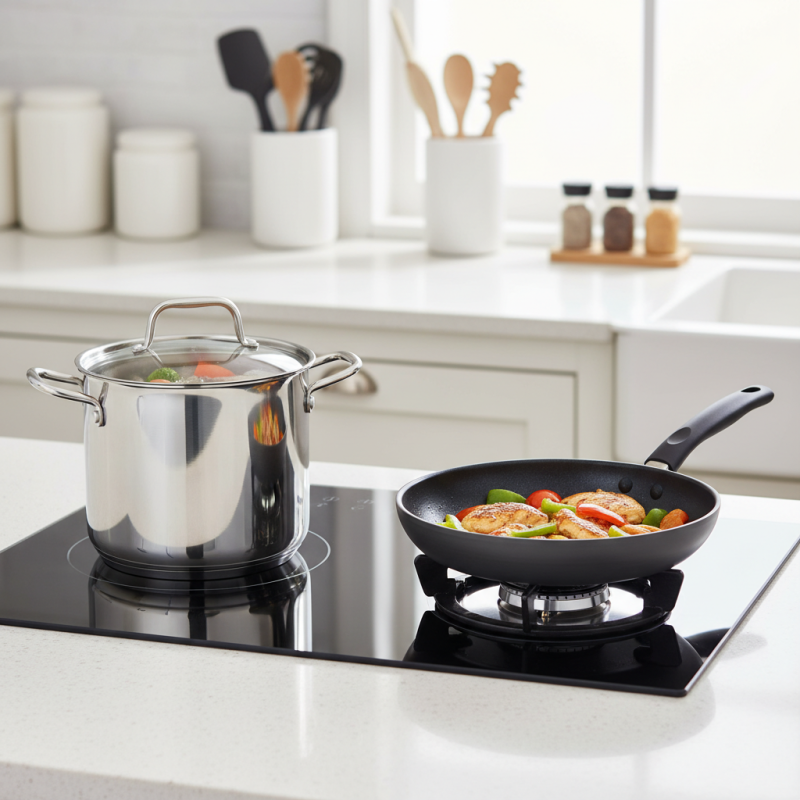
Definition of Pots and Pans: Basic Cooking Tools
When it comes to cooking, pots and pans are essential tools. Both serve unique purposes in the kitchen. A pot is typically deeper and can hold more liquid. It often has high sides and a lid. This makes it ideal for boiling, simmering, and making soups or stews.
On the other hand, a pan is shallower with wider surfaces. It’s perfect for frying, searing, or sautéing food quickly.
Understanding the differences can enhance cooking skills. If you use a pan for boiling, it may not contain the liquid well. Conversely, using a pot for frying can lead to uneven cooking. Each tool has its charm and purpose. It’s vital to know when to use each. Many cooks may overlook these details. Yet, recognizing their specific functions leads to better meals.
Choose wisely based on your cooking needs.
This small knowledge can elevate your culinary adventures.
Key Features of Pots: Design, Material, and Uses
When it comes to cooking, the design of pots plays a crucial role. A pot typically has taller, straight sides, which helps retain moisture. Its depth makes it ideal for boiling and simmering. Cooking stews or pasta becomes more efficient in a pot, thanks to its capacity. The lid often fits tightly, locking in flavors.
Materials also define pot performance. Stainless steel is durable and distributes heat evenly. However, it can stick if not used properly. Non-stick surfaces offer easy food release, but they require gentle handling. Some pots are made with aluminum, known for its lightweight nature. This material heats up quickly but may react with acidic ingredients.
Pots find their place in various cooking scenarios. They excel in cooking soups, sauces, or grains. Many cooks also use them for slow cooking tasks. However, not every pot is suitable for every heat source. Induction cooktops require specific materials to function. Understanding the strengths and weaknesses of pots can elevate your cooking experience. Choosing the right pot makes all the difference, but it can be challenging to get it right every time.
What is the Difference Between a Pot and a Pan for Cooking? - Key Features of Pots: Design, Material, and Uses
| Feature |
Pot |
Pan |
| Shape |
Deep, tall sides |
Shallow, flat bottom |
| Material |
Stainless steel, cast iron, non-stick |
Aluminum, stainless steel, cast iron |
| Common Uses |
Boiling, stewing, simmering |
Frying, sautéing, searing |
| Lid |
Typically comes with a lid |
Usually does not have a lid |
| Heat Distribution |
Even heat for long cooking |
Quick heat for high-heat cooking |
Key Features of Pans: Design, Material, and Uses
When choosing between pots and pans, understanding their design and material is crucial.
Pans usually have a flat bottom and low sides. This shape makes them ideal for frying, sautéing, or searing.
In contrast, pots have higher sides and a lid, making them better for boiling or stewing.
The design impacts heat distribution and cooking methods significantly.
Material is a major factor that influences performance.
Stainless steel pans provide durability and resistance to warping.
Non-stick surfaces, while convenient, can wear out.
Cast iron pans retain heat well but require careful maintenance.
The choice of material affects the food's flavor and texture.
For instance, using a non-stick pan for eggs can make a difference.
However, not all non-stick coatings are created equal, and some may degrade over time, a point worth reflecting on.
Pans can be versatile, but understanding their various uses is essential.
Some are better suited for high-heat cooking, while others excel in slow cooking.
Certain pans may oxidize if used improperly, altering the taste of your food.
This variability poses a challenge for many cooks.
Exploring each type of pan helps in making informed decisions, yet the exploration can be daunting as options abound.
Considering your cooking style and preferences will guide you in selecting the right pans for your kitchen.
Comparison of Cooking Techniques: When to Use a Pot vs. a Pan
When deciding what to use for your next meal, consider the cooking technique. A pot is perfect for boiling, simmering, or making soups. Its tall sides help retain heat and manage liquid. You can use a pot for stews and pasta. The size typically accommodates larger recipes. Stirring in a pot can be a struggle. The deep base may make it difficult to reach all areas.
On the other hand, a pan excels at frying, searing, and browning. Its wide surface allows for better heat distribution and evaporation of moisture. This makes it great for cooking vegetables or meats that need a crust. When using a pan, remember to control the heat. Too high, and food might burn quickly. Too low, and food may stick. The choice between a pot and a pan often comes down to what you want to achieve. Both tools have their place in the kitchen, and knowing when to use each can elevate your cooking.
Comparison of Cooking Techniques: When to Use a Pot vs. a Pan
Common Culinary Applications for Pots and Pans in Kitchen Cooking
When it comes to cooking, pots and pans serve different purposes in the kitchen. A pot is usually deeper and designed for boiling, simmering, or stewing. It holds liquids well, making it ideal for soups and sauces. You often see pots used for cooking pasta or preparing chili. Their high sides help prevent splatter, but they take longer to heat.
Pans, on the other hand, are flatter and have wider surfaces. This design allows for even cooking and browning of food. They are perfect for sautéing vegetables or searing meats. A skillet, a type of pan, is excellent for frying eggs. The quick heat distribution helps achieve that crispy outer layer. However, pans can easily get overcrowded, making food steam rather than brown.
Understanding these distinctions can elevate your cooking game. Yet, novice cooks may struggle with choosing the right vessel for each task. A pot may seem tempting for frying, but it won't yield the desired crispness. It’s a common mistake, but with practice, you’ll learn the right approach for every dish. Each cooking experience brings valuable lessons.
FAQS
: Pots are deeper and hold liquid well. Pans are shallower and perfect for frying or sautéing.
Use a pot for boiling, simmering, or making soups. It prevents splatter and holds heat longer.
Consider the pan's design, material, and its best uses. Each type influences cooking results significantly.
Materials affect heat distribution and food flavor. Non-stick coatings may wear out, which can impact cooking.
Overcrowding can lead to steaming instead of browning. This may prevent achieving desired textures in food.
While it's possible, a pot won't provide the crisp texture you get from frying in a pan. Results may disappoint.
Novice cooks often use the wrong vessel for tasks, such as frying in a pot. Learning is part of the process.
Understanding their specific functions is key. With practice, you'll learn when to use each tool effectively.
A skillet is a type of pan suitable for frying or sautéing. It promotes even cooking, especially for delicate foods.
Each cooking style may favor different materials and shapes. Reflect on your methods to find the best tools.
Conclusion
In exploring the question of "what is the difference between a pot and a pan," it is essential to understand their definitions as basic cooking tools. Pots are typically deeper, made for boiling, stewing, and cooking larger quantities of food. Their design often includes high sides and a lid, making them perfect for soups and sauces. On the other hand, pans have a flatter base with lower sides, suitable for frying, sautéing, and browning foods.
The key features distinguishing these two utensils include their materials and specific culinary applications. Pans are generally made from materials conducive to high heat and quick cooking, while pots excel at retaining heat and moisture for slower cooking techniques. Knowing when to use a pot versus a pan can elevate one's cooking methods, making it crucial for any kitchen enthusiast to grasp these differences for effective meal preparation.

 Fergus Kitchen