How to Store Fresh Herbs in the Kitchen?

Time:2026-09-09 Author:Amelia
0%

Fresh herbs can transform a simple soup, salad, or pan of roasted vegetables. Yet their bright leaves often wilt before the next meal. Learning how to store fresh herbs in the kitchen helps preserve flavor, texture, and household budgets. The right method depends on the herb’s structure, moisture needs, and intended use.

Chef and food writer Mark Bittman offers a useful principle: “Treat herbs like flowers.” Tender herbs, such as basil, cilantro, parsley, and mint, usually benefit from trimmed stems and a small glass of water. A loose bag can protect them without trapping excessive moisture. Keep basil away from the refrigerator’s coldest areas, where its leaves may darken. Hardy herbs, including rosemary, thyme, and sage, often last longer when wrapped loosely in a barely damp paper towel. Store them inside a breathable container.

Small details matter. Wet leaves spoil quickly. Crowded containers bruise delicate stems. A clean jar can make a surprising difference. Food-safety guidance also recommends washing herbs under running water before use, then drying them thoroughly. Do not assume refrigeration solves every problem. It does not.

I have found that herb storage requires observation, not blind repetition. One refrigerator may be drier than another. Some paper towels become too wet. Check the leaves each day, and remove any slimy or discolored pieces. This guide will compare practical methods, explain common mistakes, and help readers choose storage techniques that fit their kitchens. There is no perfect system, but a careful one can keep herbs fragrant for several extra days.
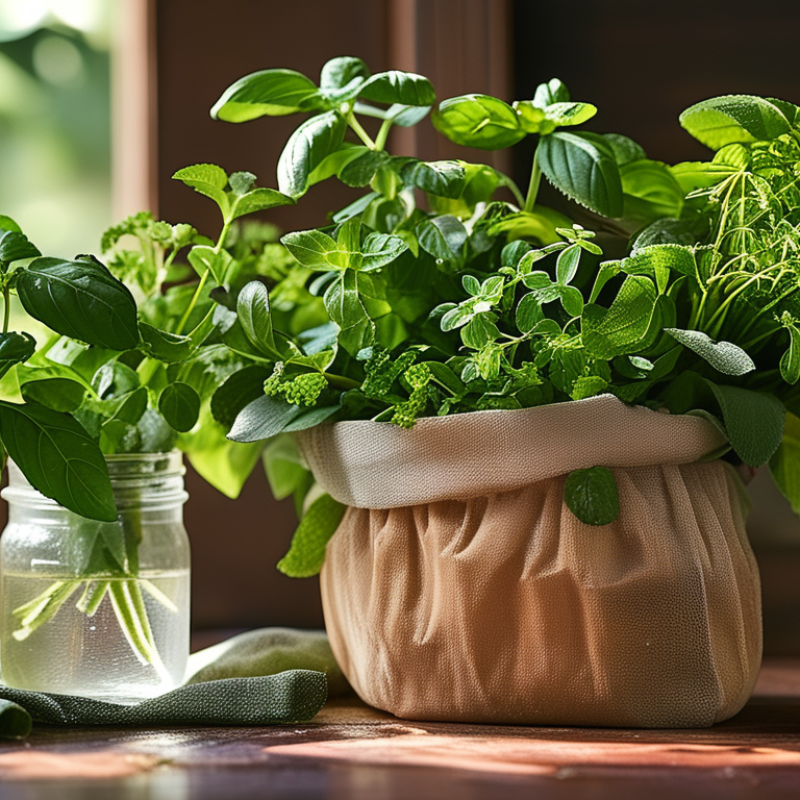
How to Store Fresh Herbs in the Kitchen?

Classify Herbs by Type Using Extension Storage Categories

How to Store Fresh Herbs in the Kitchen?

Extension storage categories make herb care easier because each group loses moisture differently.

Tender herbs include basil, cilantro, parsley, mint, and dill. Store them upright in a glass with shallow water. Loosely cover the leaves with a breathable bag.

Keep basil on the counter, since UC Davis postharvest guidance warns that cold storage can cause chilling injury.

Hardy herbs include rosemary, thyme, sage, and oregano. Wrap them in a slightly damp paper towel, then place them inside a sealed container in the refrigerator.

They need humidity, but not standing water.

Bulbous herbs, such as green onions and chives, fit a separate category. Trim damaged ends and refrigerate them in a perforated bag.

Do not store every herb together. Strong aromas can transfer, while wet leaves encourage decay. The USDA FoodKeeper program supports using refrigerated storage promptly, although exact quality depends on freshness and temperature.

That uncertainty matters. Home refrigerators fluctuate more than many people expect.

Tips:

Label each container by herb type and storage date. Check leaves every two days. Remove yellow or slimy pieces immediately.

The UNEP Food Waste Index Report 2024 estimated that households generated 631 million tonnes of food waste in 2022. Better herb classification can reduce small, repeated losses.

Still, I sometimes over-moisten containers. Less water often works better than more.

Wash Herbs Under FDA Running-Water Guidance; Never Use Soap

How to Store Fresh Herbs in the Kitchen?

Fresh herbs can carry soil, microbes, and residue from handling. The FDA advises washing produce under cool, running tap water before eating or storing it. Never use soap, detergent, or disinfectant. These products can leave harmful residues and are not proven safe for produce.

The need is practical, not alarmist. The CDC estimates that foodborne illness causes about 48 million illnesses, 128,000 hospitalizations, and 3,000 deaths in the United States each year. Herbs are often eaten raw, so careful handling matters. Wash your hands first, then rinse each bunch gently under running water. Rub sturdy stems lightly with clean fingers. Avoid soaking delicate leaves, which can spread contamination and speed decay. Dry herbs thoroughly with clean paper towels. Excess water is the enemy.

Tips: Trim damaged leaves. Store dry herbs loosely in a clean container. Wrap tender herbs in a slightly damp towel, but keep basil at room temperature. Keep washed herbs away from raw meat and unwashed produce. My own routine is not flawless; I sometimes miss a small soft stem. That is why I inspect the bunch again before chopping. The FDA also recommends cleaning the sink and work surface, because a clean herb can become contaminated after washing. Do not rely on smell alone. Fresh-looking leaves are not automatically safe.

Chill Tender Herbs at ≤40°F (4°C), the FDA Refrigerator Standard

How to Store Fresh Herbs in the Kitchen?

Keep tender herbs at 40°F (4°C) or below in the refrigerator. This matches the FDA’s recommended refrigerator standard for slowing bacterial growth. Check the temperature with an appliance thermometer, because the dial can be inaccurate. Cold air is not always evenly distributed.

Trim damaged leaves and remove loose soil before storage. Do not wash herbs until you plan to use them, unless they are visibly dirty. Extra moisture can encourage slimy leaves. Wrap cilantro, parsley, mint, or dill in a barely damp paper towel. Place the bundle inside a breathable container or a loosely closed bag. A sealed, wet environment often ruins herbs faster.

Keep them away from the refrigerator’s coldest rear wall. Freezing temperatures can blacken delicate leaves. Basil needs special care; it often develops dark patches when chilled, so store it upright in a glass of water at room temperature. Replace the water when it becomes cloudy. I used to wash every bunch immediately, thinking cleanliness always helped. That habit shortened its life. Experience proved otherwise. Check stored herbs daily, remove yellow leaves, and use any soft stems promptly. Freshness is not perfectly predictable.

How to Store Fresh Herbs in the Kitchen?

Chill tender herbs at ≤40°F (4°C), the FDA refrigerator standard.

Typical refrigerated quality windows are approximately 7–14 days when herbs are kept dry, loosely wrapped, and stored in the refrigerator at or below 40°F (4°C). Actual freshness varies with harvest condition and handling. Basil is an exception because it can suffer chilling injury; it is generally stored at room temperature.

Store Basil Above 50°F (10°C) to Reduce UC Davis Cold Injury Risk

How to Store Fresh Herbs in the Kitchen?

Store basil above 50°F (10°C) to reduce the risk of cold injury identified by UC Davis postharvest guidance. A refrigerator may look convenient, but its cold air can darken basil leaves and create soft, water-soaked patches. Basil is unusually sensitive to chilling.

Keep the stems in a clean glass with a small amount of room-temperature water. Trim the ends first, then place a loose bag over the leaves. Leave the glass on a kitchen counter, away from a cold window or active heat source. Replace the water every day or two. Dry leaves carefully if condensation appears.

Watch the leaves.

I have found that crowded stems decay faster, even when the water looks clear. Remove yellow or bruised leaves promptly, and check the stems each morning. Strong sunlight may warm the glass too much, so bright indirect light is safer. This method can preserve basil for several days, though results vary with freshness and room temperature. I once stored basil beside a drafty vent and blamed the herb for wilting; the location was the real problem. Other herbs need different treatment. Parsley and cilantro usually tolerate refrigeration better, while basil should remain warm. Temperature, airflow, and moisture all matter more than appearance at purchase.

Check Daily and Discard Moldy Herbs Under USDA Food-Safety Guidance

How to Store Fresh Herbs in the Kitchen?

Fresh herbs need a daily check, especially when stored in a crowded refrigerator drawer. Look for fuzzy spots, slimy leaves, dark stems, or a sour smell. These are warning signs, not minor cosmetic flaws. USDA Food Safety and Inspection Service guidance advises discarding moldy soft foods because mold can spread below the visible surface. Do not rinse mold away and use the remaining leaves. That shortcut feels wasteful, but it is unreliable.

Keep herbs dry, loosely wrapped, and refrigerated when appropriate. A clean container lined with a dry paper towel can reduce excess moisture. Wash herbs under cool running water immediately before use, following FDA produce-safety advice. Keep the refrigerator at 40°F (4°C) or below, as recommended by USDA guidance. Check the container each day. Remove damaged leaves early, and discard the entire bunch if mold appears widely. Never taste-test questionable herbs.

The USDA Economic Research Service has estimated that about 30% of the U.S. food supply was lost or wasted at the retail and consumer levels. Better storage can help, but perfection is unrealistic. I sometimes overlook a soft stem behind the vegetables. A phone reminder may help. Clean the storage container after discarding moldy herbs, then wash your hands and nearby surfaces. Small habits matter.

How to Store Fresh Herbs in the Kitchen? - Check Daily and Discard Moldy Herbs Under USDA Food-Safety Guidance

Practical storage guide for common fresh culinary herbs
Fresh Herb Preparation Before Storage Recommended Storage Method Approximate Temperature Typical Quality Window Daily Check and Discard Criteria
Basil Remove damaged leaves. Keep stems intact and avoid washing until use unless the leaves are dried thoroughly. Place stems in a jar with a small amount of water. Cover loosely with a clean bag and keep away from direct sunlight. Cool room temperature; avoid cold refrigerator temperatures when possible. About 3–5 days, depending on freshness and room conditions. Discard leaves or the whole bunch if mold, sliminess, black decay, or a sour odor appears.
Cilantro Remove wilted leaves and trim the stem ends. Keep leaves dry before storage. Stand stems in a jar with water and cover loosely with a food-safe bag, or wrap loosely in a damp paper towel and refrigerate. Refrigerator at 40°F (4°C) or below. About 5–7 days, sometimes longer when very fresh. Discard moldy, slimy, strongly yellowed, or foul-smelling portions. Do not taste questionable herbs.
Parsley Remove damaged leaves and trim the stems. Do not store while visibly wet. Refrigerate upright in a jar with water and a loose cover, or wrap in a slightly damp paper towel inside a food-safe bag. Refrigerator at 40°F (4°C) or below. About 7–10 days. Discard if leaves become slimy, moldy, decomposed, or develop an unpleasant odor.
Mint Remove damaged leaves and trim the stems. Keep the leaves as dry as practical. Place stems in a jar with water and cover loosely; refrigerate if the kitchen is warm. Refrigerator at 40°F (4°C) or below for longer storage. About 5–7 days. Discard any moldy, slimy, blackened, or foul-smelling leaves and stems.
Dill Remove damaged fronds. Pat dry if necessary and avoid trapping excess moisture. Wrap loosely in a damp paper towel and place in a food-safe bag or covered container in the refrigerator. Refrigerator at 40°F (4°C) or below. About 3–5 days. Discard when mold, sliminess, dark decay, or an off odor is present.
Rosemary Remove damaged sprigs. Keep the herb dry before refrigerating. Wrap loosely in a slightly damp paper towel and place in a food-safe bag or airtight container. Refrigerator at 40°F (4°C) or below. About 10–14 days. Discard moldy or slimy sprigs and any portion with a rotten odor or extensive decay.
Thyme Remove damaged stems. Avoid washing until use unless the herb can be dried completely. Wrap loosely in a slightly damp paper towel and refrigerate in a food-safe bag or container. Refrigerator at 40°F (4°C) or below. About 7–14 days. Discard if moldy, slimy, heavily wilted with decay, or unpleasant-smelling.
Oregano Remove damaged leaves and stems. Keep dry before storage. Wrap loosely in a slightly damp paper towel and store in a food-safe bag in the refrigerator. Refrigerator at 40°F (4°C) or below. About 7–10 days. Discard moldy, slimy, decayed, or foul-smelling leaves and stems.
Sage Remove damaged leaves. Do not pack tightly while wet. Wrap loosely in a dry or slightly damp paper towel and place in a food-safe bag or container in the refrigerator. Refrigerator at 40°F (4°C) or below. About 7–10 days. Discard leaves showing mold, slime, extensive browning with decay, or an off odor.
Tarragon Remove damaged leaves and trim stems if needed. Keep leaves dry. Wrap loosely in a slightly damp paper towel and refrigerate in a food-safe bag or covered container. Refrigerator at 40°F (4°C) or below. About 5–7 days. Discard the herb if mold, slime, rotting tissue, or a sour or unpleasant smell develops.

Food-safety reminders: Keep the refrigerator at 40°F (4°C) or below, wash hands and utensils before handling herbs, rinse herbs under cool running water immediately before use, and never use soap or detergent to wash produce. Keep fresh herbs separate from raw meat, poultry, seafood, and their juices. A quality window is only an estimate; discard herbs promptly when mold or decay is present.

FAQS

: How should tender herbs be stored?

: Store basil, cilantro, parsley, mint, and dill upright in shallow water. Cover the leaves loosely with a breathable bag.

Where should fresh basil stay?

Keep basil on the counter, above 50°F (10°C). Avoid cold windows, vents, and strong direct sunlight.

Why should basil stay out of the refrigerator?

Cold air can darken basil leaves and create soft, water-soaked patches. Basil is especially sensitive to chilling.

How should hardy herbs be stored?

Wrap rosemary, thyme, sage, and oregano in a slightly damp paper towel. Place them in a sealed refrigerator container.

How should green onions and chives be stored?

Trim damaged ends and refrigerate them in a perforated bag. Avoid storing them in standing water.

Should all herbs share one container?

No. Strong aromas may transfer between herbs. Wet leaves can also encourage decay.

How often should stored herbs be checked?

Check the leaves every two days. Remove yellow, bruised, or slimy pieces immediately.

How can basil stems stay fresh?

Trim the stems and place them in clean, room-temperature water. Replace the water every day or two.

Does more moisture always help herbs?

No. Excess water may speed decay. I sometimes over-moisten containers, so using less water deserves reconsideration.

How much storage time should people expect?

Freshness, room temperature, airflow, and refrigerator temperature all affect results. These methods may preserve herbs for several days.

Conclusion

Learning how to store fresh herbs in the kitchen begins with classifying them by type and choosing the right storage method for each category. First, gently wash the herbs under cool running water, removing soil and debris without using soap or cleaning products. Tender herbs should be chilled at or below 40°F (4°C), which helps maintain freshness and slows bacterial growth. After washing, dry them carefully to reduce excess moisture, since trapped water can encourage spoilage.

Basil requires different treatment because temperatures below 50°F (10°C) may cause cold injury and darkened leaves. Store it in a warmer location instead of placing it in the refrigerator. Check all herbs every day for wilting, sliminess, unpleasant odors, or visible mold. Discard any moldy herbs promptly rather than attempting to save part of the bunch, as contamination can spread quickly. With proper classification, safe washing, suitable temperatures, and regular inspection, fresh herbs can remain flavorful and safe for longer.

Amelia

Amelia

Amelia is a seasoned marketing professional with a wealth of expertise in our company’s core offerings. With an unwavering passion for driving growth and innovation, she plays a pivotal role in shaping our marketing strategies and enhancing brand visibility. A key aspect of her responsibilities......