How to Organize Kitchen Cabinets for Maximum Efficiency?

Time:2026-11-08 Author:Mason
0%

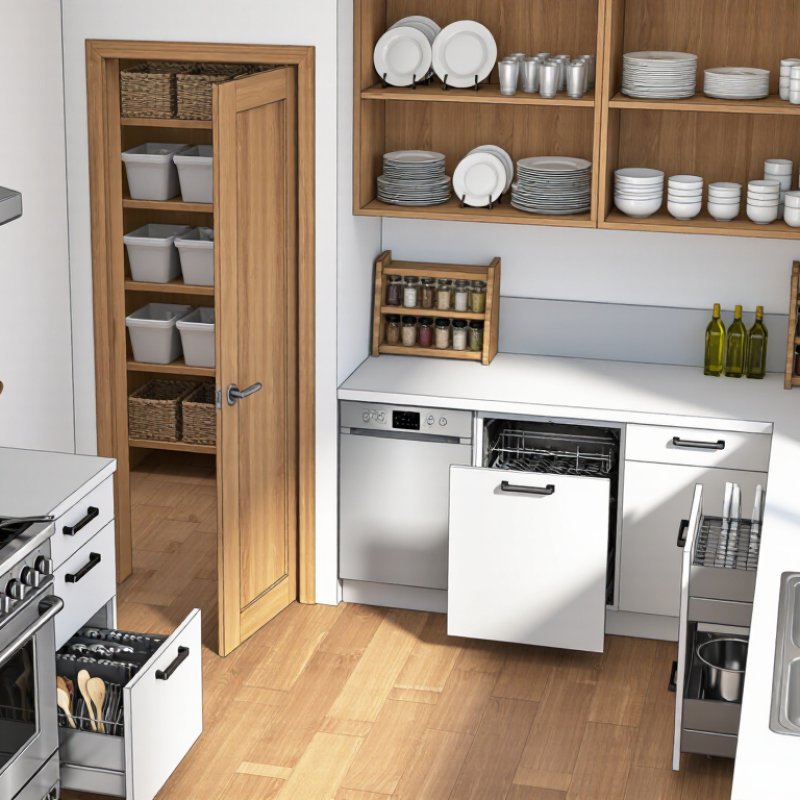
A kitchen can look orderly and still waste time. The daily test is simple: can you reach the cooking oil, a pan, and the plates without moving three other things? Learning how to organize kitchen cabinets for efficiency starts with those repeated tasks, not matching containers. Group items by use, keep everyday dishes near the dishwasher, and place heavy cookware in low cabinets. Small shifts matter.

Storage deserves attention because households value it. The National Association of Home Builders’ 2021 What Home Buyers Really Want report found that 83% of buyers considered a walk-in pantry essential or desirable. A pantry is not a cabinet, but the finding reflects demand for accessible, organized food storage. Houzz’s 2024 U.S. Kitchen Trends Study also examines cabinet upgrades and storage choices among renovating homeowners. These reports offer useful context, not a universal layout: household size, mobility, and cooking habits change what works.

Start by emptying one cabinet and sorting its contents into everyday, occasional, and rarely used groups. Put frequently used items between waist and eye level, and reserve high shelves for light, infrequent items. Use shelf risers or drawer dividers only where they solve a real reach or visibility problem. Labels can help, but too many can become clutter. That part is easy to miss. There is no perfect arrangement for every kitchen, and a tidy system may still feel inconvenient after a week. Test it during meal preparation, then adjust. For safety, keep heavy items low and avoid stacking unstable cookware overhead.
How to Organize Kitchen Cabinets for Maximum Efficiency?

Assess Your Kitchen Cabinet Space and Daily Cooking Needs

Before reorganizing, empty one cabinet at a time and note its width, depth, and shelf height. A tape measure helps reveal whether tall jars, stacked bowls, or small appliances actually fit. Check for awkward corners, deep shelves, and items that disappear behind others. That matters. Keep a quick list of what you own, including duplicates you rarely use.

Then watch how you cook for a few ordinary days. Notice which pans you reach for, where you chop vegetables, and whether you make coffee every morning. Store frequently used tools near the counter where you use them, not wherever an empty shelf happens to be. Keep plates near the dishwasher if unloading them is part of your routine. It may feel slow. But these small observations prevent a tidy-looking layout from becoming inconvenient.

Group items by task, such as breakfast, baking, or weeknight meals. Place heavy cookware on lower shelves, and keep everyday glasses within easy reach. Use a small tray for loose packets or measuring spoons so they do not spread across a shelf. Leave a little open space; cabinets packed to the edge are harder to use. Try the arrangement for a week, then adjust anything that makes you pause or reach awkwardly. My first layout is rarely perfect. That is useful feedback.

Sort Kitchen Items and Remove Unnecessary Duplicates

Empty every cabinet onto a clean counter, then group items by task: baking, breakfast, cooking, and storage. Put duplicates side by side. Keep the sharpest peeler, the pan that heats evenly, and enough everyday plates for your household. Donate clean extras you never reach for; recycle or discard damaged pieces safely. Small decisions matter. The USDA estimates that 30–40% of the U.S. food supply is lost or wasted. That figure is a useful prompt to check duplicate pantry goods, not a reason to throw away safe food.

Check dates and condition before returning anything to the cabinet. Move older, usable food to the front, and keep newer purchases behind it. The U.S. EPA’s 2018 materials data report that food made up about 24% of material sent to landfills. Clear labels and a visible “use soon” basket can help prevent forgotten items. For cookware and utensils, store the items you use weekly at arm’s reach; place seasonal or occasional pieces higher up. I still find a stray lid sometimes. That’s a reminder to review the cabinet after a few weeks, not to chase a perfect system. Keep only containers with matching lids, and leave a little open space so items can be returned without a daily reshuffle.

Group Supplies by Use and Create Practical Storage Zones

Build cabinet zones around routines, not matching containers. Keep coffee, mugs, filters, and sweeteners together near the kettle. Place pans, oil, and cooking tools beside the stove, but keep heat-sensitive oils away from direct burners. Store plates and glasses close to the dishwasher or dining area. This cuts extra steps during busy meals. Keep everyday items between waist and eye level; reserve high shelves for rarely used serving dishes.

The NKBA’s 2024 Kitchen Trends Report found that 76% of surveyed design professionals identified walk-in pantries as a desired feature. Even without one, a cabinet can work as a compact pantry. Group breakfast foods, baking supplies, and snacks in separate bins, and label the fronts. Put older food in front so it gets used first. A layout can look perfect on day one and still fail during a rushed week; adjust it after noticing what gets left on the counter.

Tips: Keep it visible. Use shallow bins for small packets, and leave a little empty shelf space for groceries that do not fit the plan. Store heavy cookware low to reduce awkward lifting. Review one zone at a time, then move items that keep landing elsewhere. Perfect order is probably unrealistic, and that is useful to remember.

How to Organize Kitchen Cabinets for Maximum Efficiency? — Group Supplies by Use and Create Practical Storage Zones
Storage Zone Supplies to Group Practical Cabinet Location Storage Method Efficiency Tip
Everyday Dishware Plates, bowls, everyday glasses, and mugs Cabinet near the dishwasher or dining area Stack plates and bowls by size; keep glasses in a stable row Store frequently used pieces at a comfortable, easy-to-reach height.
Cooking and Prep Mixing bowls, measuring cups, measuring spoons, and cutting boards Cabinet beside the main food-preparation counter Nest bowls and use a vertical divider for cutting boards Keep tools used together in the same zone to reduce back-and-forth movement.
Cooking Tools Spatulas, wooden spoons, ladles, tongs, and whisks Drawer or cabinet closest to the stove Use a divided drawer organizer or a countertop utensil container Separate long tools from small gadgets so each item is easy to identify.
Pots and Pans Frying pans, saucepans, stockpots, and lids Lower cabinet near the cooktop Nest compatible pans and store lids vertically in a rack Keep the heaviest cookware on the lowest shelf for safer lifting.
Food Storage Reusable containers, matching lids, and wraps Cabinet near the refrigerator or food-preparation counter Nest containers by shape and stand lids upright in a divider Store containers and lids together to make packing leftovers quicker.
Dry Pantry Staples Rice, pasta, grains, baking ingredients, and unopened packaged foods Cool, dry cabinet away from the stove and sink Group similar foods in clearly labeled, food-safe containers or bins Place older items toward the front and check dates when restocking.
Cleaning Supplies Dish soap, sponges, cleaning cloths, and dishwasher supplies Cabinet beneath or beside the sink Use a washable caddy or small bins to keep supplies contained Keep cleaning products separate from food and cooking equipment.
Occasional-Use Items Serving platters, specialty bakeware, and seasonal tableware Upper cabinet or less-accessed cabinet area Stack sturdy pieces carefully and group items by occasion or type Reserve the easiest-to-reach shelves for items used every day.

Choose Organizers and Place Items for Easy Access

Choose organizers around the task, not the cabinet’s empty space. Keep plates near the dishwasher, pans beside the cooktop, and knives near the main prep surface. Keep it simple. Store heavy cookware on low, sturdy shelves; place everyday glasses and bowls between waist and eye level. A shallow drawer insert keeps spatulas visible, while vertical dividers stop baking sheets from becoming a wobbly stack.

The Houzz 2024 U.S. Kitchen Trends Study reported that 76% of renovating homeowners upgraded their cabinets. That figure reflects how central cabinet decisions are to kitchen projects, but more storage does not automatically mean easier access. Measure shelf depth and item height before buying bins or risers. Group ingredients by use, and leave a clear space for items handled daily. If a setup looks tidy but makes you move three things to reach a pan, it needs rethinking.

Tips: Label bins only where contents are easy to confuse. Test one shelf for a week before reorganizing the whole kitchen. Keep a small step stool nearby for high shelves, and move frequently used items down if reaching feels awkward.

Review Cabinet Arrangements and Maintain the System

Review each cabinet after a week of ordinary cooking, when daily habits are easier to see. Notice which doors you open most and whether frequently used items are within easy reach. Keep plates near the dishwasher or dining area if that shortens your routine. Store heavy pots on lower shelves, where lifting them feels steadier. A neat shelf is not always a useful one. That matters.

Take a quick inventory before changing the layout. Group items by task, such as breakfast, baking, or weeknight meals, then compare those groups with their cabinet locations. A measuring cup buried behind mixing bowls signals friction. Move it forward and test the arrangement for several days. Use shelf risers or shallow bins only when they improve visibility; extra organizers can waste space. Labels may feel excessive in a small household, so use them only where they solve a real problem.

Give the cabinets a brief monthly reset. Return stray items to their assigned places and check whether anything has become hard to reach. If one shelf repeatedly turns cluttered, question its location rather than blaming the household. The setup may need another adjustment. Keep a short note of what gets moved most often, then use that evidence when revising the arrangement.

FAQS

How should I measure my kitchen cabinets before reorganizing?

Empty one cabinet at a time. Measure its width, depth, and shelf height, then check whether tall jars and bowls fit.

Where should I store the tools I use most often?

Keep everyday pans near your cooking area and plates near the dishwasher. A convenient spot beats an empty shelf.

How can I group kitchen items?

Sort them by task, such as breakfast, baking, or weeknight meals. Keep measuring spoons together in a small tray.

What should I do with duplicate utensils and cookware?

Compare duplicates side by side, then keep the ones you reach for and that work well. I still miss a stray lid sometimes.

How can I arrange pantry food to avoid forgetting it?

Put older, usable food at the front and newer purchases behind it. A visible “use soon” basket can help.

Where should heavy cookware go?

Place heavy pots and pans on lower shelves. Store occasional or seasonal items higher up.

How much open space should I leave?

Leave room to return items without moving everything around. Packed shelves can look neat, but they get frustrating quickly.

When should I change my cabinet arrangement?

Try the setup for a week, and notice where you pause or reach awkwardly. Adjust those spots; the first layout may not be right.

Conclusion

Learning how to organize kitchen cabinets for efficiency begins with understanding the space you have and the way you cook each day. Take stock of cabinet sizes, frequently used ingredients, cookware, and serving items. Then sort everything, removing items you no longer need and consolidating unnecessary duplicates. This creates room for supplies that genuinely support your routine.

Next, group items by purpose and create practical zones, such as keeping cooking tools near the main preparation area and placing everyday dishes within easy reach. Use suitable organizers to make shelves and drawers easier to navigate, while storing less frequently used items in less accessible spots. Keep heavier items low and avoid overcrowding so everything is easy to find and return. Review the arrangement after using it for a while, make adjustments where needed, and put items back in their designated places to keep the system working smoothly.

Mason

Mason

Mason is a seasoned marketing professional with a deep expertise in the company's offerings and a passion for driving brand awareness. With a strong background in digital marketing strategies, he has an innate ability to connect with diverse audiences and effectively communicate product benefits.......