When it comes to cooking meat, accuracy is key. Many home chefs overlook one essential tool: the meat thermometer. Chef Sarah Johnson, a renowned culinary expert, emphasizes this point. She states, "Using a meat thermometer is the best way to ensure your meat is cooked perfectly every time." This shows the importance of precision in cooking.
Understanding why you should use a meat thermometer can transform your cooking experience. An undercooked steak can ruin a meal, while an overcooked piece of chicken can dry out and lose flavor. With a proper thermometer, these mistakes become avoidable. Even seasoned cooks sometimes fail to gauge doneness based on appearance alone.
Additionally, using a meat thermometer can enhance food safety. Undercooked meats may harbor harmful bacteria, posing health risks. By achieving the correct internal temperatures, you ensure both delicious meals and safe eating. It's a simple tool that saves time and effort. The goal is to create meals that are not only enjoyable but also safe for everyone at the table.
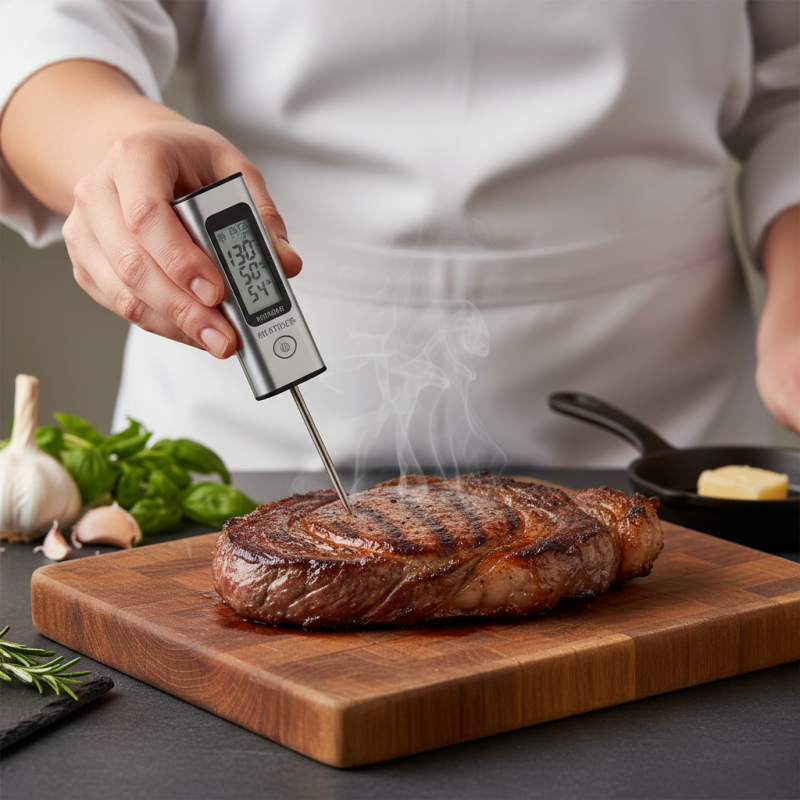
Cooking meat to safe temperatures is crucial for food safety. According to the USDA, cooking beef to at least 145°F (63°C) reduces the risk of harmful bacteria. This temperature ensures the elimination of pathogens like E. coli and Salmonella, which can lead to serious foodborne illnesses. Surprisingly, many people underestimate these risks. A 2015 study indicated that nearly 65% of home cooks do not use thermometers when preparing meat.
Using a meat thermometer can help achieve consistent results. This tool takes the guesswork out of cooking. For poultry, the safe temperature is higher at 165°F (74°C). Undercooked chicken can harbor Campylobacter, a leading cause of food poisoning. Frequent reliance on visual cues may lead to risky cooking practices. Remember, color is not always a reliable indicator of doneness.
Educating yourself about cooking temperatures can prevent food safety issues. Inadequate cooking can result in severe consequences. It is essential for home cooks to know that meat can carry hidden dangers. Investing in a quality meat thermometer can enhance both safety and culinary skills. A simple device can make a measurable difference in kitchen practices.
Using a meat thermometer can significantly improve cooking consistency. According to the USDA, cooking meat to the correct internal temperature is essential for food safety. Undercooked meat can harbor harmful bacteria, while overcooked meat can lose moisture and flavor. A meat thermometer removes the guesswork and ensures safe food practices.
Professionals recommend using a thermometer during the cooking process. In a survey by the National Center for Home Food Preservation, 82% of respondents reported improved results after using a thermometer. Instead of relying on color or texture, a quick temperature check guarantees accuracy. For instance, chicken should reach 165°F to be safe for consumption. This precise method yields juicy and perfectly cooked meat every time.
However, not all cooks use thermometers, often due to misconceptions or lack of knowledge. Some believe they can judge doneness by touch or appearance, but this is not foolproof. Inadequate understanding often leads to either undercooked or overly dried-out meals. Trusting a thermometer can bridge this knowledge gap, enhancing both safety and taste.
The chart above illustrates the importance of using a meat thermometer for various reasons. Each reason is assessed on a scale from 1 to 10, reflecting how essential it is for achieving the best cooking results.
When selecting a quality meat thermometer, precision is key. Look for devices that have a quick response time. A thermometer should give you accurate readings in just a few seconds. This speed is crucial when grilling or roasting, as it allows you to avoid overcooking or undercooking your meat. The ideal thermometer should also be able to measure a range of temperatures, ensuring it meets the needs of various meats.
Durability matters too. Consider materials like stainless steel that can withstand high heat and wear over time. A sturdy design will resist accidental drops. It’s also a good idea to check if it’s waterproof. This feature makes it easier to clean and maintain. Battery life is another aspect to evaluate. Opt for a thermometer with a long-lasting battery to avoid frequent replacements during cooking events.
A backlit display can enhance usability, especially when grilling at night. Many opt for these thermometers, but they can vary widely in quality. Reflection on your needs is essential. Do you need a simple device, or will advanced features make your cooking more enjoyable? Choosing the right thermometer involves understanding your cooking style and preferences.
Using a meat thermometer can significantly enhance your cooking experience. Research indicates that properly cooked meat not only tastes better but also reduces the risk of foodborne illnesses. According to the USDA, cooking meat to the right internal temperature is crucial. For example, poultry should reach at least 165°F to ensure safety.
To use a meat thermometer effectively, insert it into the thickest part of the meat, avoiding bones or fat. This placement ensures an accurate reading of the internal temperature. Additionally, allow the meat to rest for a few minutes after cooking. This practice helps the juices redistribute, enhancing flavor and tenderness.
Keep your thermometer clean and calibrated. A study shows that up to 25% of thermometers may be inaccurate. This inaccuracy can lead to undercooked or overcooked meat. Regularly checking your thermometer against a boiling water test can ensure reliability. Also, consider using a digital thermometer with a quick response time for convenience. Proper use not only improves your dishes but also builds confidence in your cooking skills.
Using a meat thermometer can transform your cooking experience. One significant benefit is precise temperature monitoring. According to the USDA, cooking meat to the correct temperature reduces the risk of foodborne illnesses. For instance, ground beef must reach an internal temperature of 160°F (71°C) to be considered safe. This precision ensures that even thick cuts of meat are cooked consistently, eliminating guesswork.
Different cooking methods also benefit from a meat thermometer. When roasting, it helps gauge doneness without cutting into the meat, preserving juices and flavor. Studies indicate that undercooked poultry, which should reach 165°F (74°C), can lead to serious health risks. The use of a thermometer guarantees safety and quality.
However, some chefs may overlook this tool, relying on instinct instead. While experience matters, improperly cooked meat can lead to disappointing meals. A thermometer serves as a safeguard, even for seasoned cooks. It encourages a more methodical approach to cooking, resulting in better meals and less waste.
| Benefit | Description | Cooking Methods |
|---|---|---|
| Prevents Overcooking | Ensures meat reaches the correct temperature without exceeding it. | Grilling, Roasting |
| Ensures Food Safety | Reduces the risk of foodborne illnesses by cooking meat to safe temperatures. | Baking, Slow Cooking |
| Improves Texture | Helps maintain moisture and tenderness in meat. | Sous Vide, Grilling |
| Versatile Usage | Can be used for various types of meat and even baking. | All Cooking Methods |
| Saves Time & Energy | Reduces guesswork and ensures cooking is more efficient. | Every Cooking Method |
: A meat thermometer ensures consistent cooking and helps avoid harmful bacteria in undercooked meat.
Chicken should reach 165°F to be safe for consumption.
It removes guesswork, guaranteeing accuracy compared to using color or texture as indicators.
Many believe they can judge doneness by touch, but this method is not reliable.
Place it in the thickest part of the meat, avoiding bones or fat for an accurate reading.
Resting allows juices to redistribute, enhancing flavor and tenderness of the meat.
Regularly check it against boiling water. Up to 25% of thermometers can be inaccurate.
A digital thermometer with a quick response time is ideal for easy use.
Yes, inaccurate thermometers can lead to undercooked or overcooked meat, affecting taste and safety.
You might end up with undercooked or dry meals due to guessing cooking times.
Using a meat thermometer is essential for ensuring that your food is cooked safely and consistently. One of the primary reasons why you should use a meat thermometer is to guarantee that meats reach safe internal temperatures, which reduces the risk of foodborne illnesses. Additionally, a meat thermometer helps achieve precise cooking results, allowing you to enjoy perfectly cooked dishes every time.
When choosing a quality meat thermometer, look for key features such as accuracy, speed, and ease of use. To maximize its effectiveness, consider tips for proper usage, like inserting the thermometer at the thickest part of the meat without touching bones. Regardless of your cooking method—grilling, roasting, or sous-vide—the benefits of using a meat thermometer are significant, providing peace of mind and enhancing your culinary skills.

Fergus Kitchen