10 Reasons Why Does My Glass Bakeware Keep Shattering?

Time:2026-05-13 Author:Amelia
0%

Many home cooks cherish glass bakeware for its versatility and aesthetic appeal. However, a common frustration arises: "why does my glass bakeware keep shattering?" This issue can be puzzling and disheartening, especially after a carefully prepared dish. Understanding the reasons behind this phenomenon is essential for both new and experienced bakers.

Factors such as sudden temperature changes and mishandling can lead to breakage. For instance, placing a hot dish into cold water might create thermal shock. Similarly, using chipped bakeware increases the risk of shattering. It's crucial to be mindful of how we treat our glass items. Even minor details, like using metal utensils can cause damage. These practices might seem harmless, but they have significant effects.

Not all glass bakeware is created equal. Some brands have better durability than others. Educating ourselves on the quality and care of glass products can dramatically reduce the chances of unexpected shattering. Reflecting on our baking methods could prevent many future frustrations. Reassessing how we use and care for our bakeware is worth the effort for successful cooking experiences.
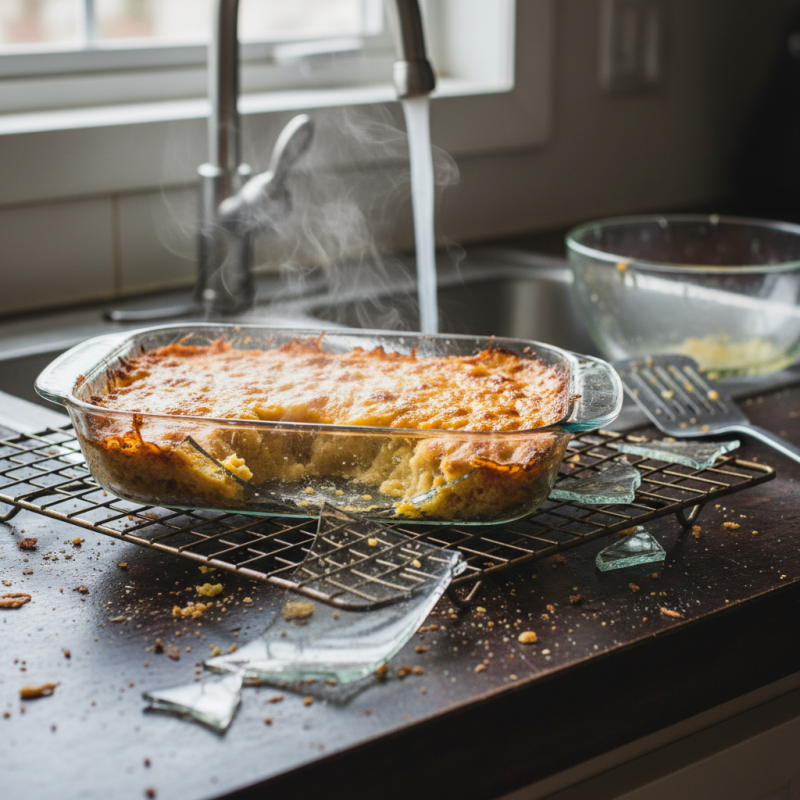
10 Reasons Why Does My Glass Bakeware Keep Shattering?

Common Causes of Glass Bakeware Shattering

When using glass bakeware, many people experience sudden shattering. Understanding the common causes can help prevent this frustrating issue. One prevalent reason is thermal shock. A sudden temperature change can cause glass to crack. For example, taking a dish from the refrigerator and placing it directly into the oven can lead to catastrophic failure.

Another factor to consider is manufacturing defects. Small imperfections in the glass can make it weaker. If a dish has any chips or scratches, it could shatter under heat. It's essential to regularly inspect your bakeware before use.

Using the wrong utensils also plays a role. Metal utensils can scratch the surface, weakening the glass over time. Additionally, overloading your bakeware can cause stress points that lead to shattering. Ensure you follow the recommended capacity for your dishes, even if it means cooking in smaller batches. Taking these steps can help maintain the reliability of your glass bakeware.

Temperature Fluctuations and Thermal Shock Effects

Temperature fluctuations can significantly affect glass bakeware. One moment, your dish is in a hot oven. The next, it might be placed on a cold counter. This rapid change can lead to thermal shock, causing your bakeware to shatter unexpectedly.

When using glass bakeware, always preheat your oven. Sudden exposure to high heat can create stress in the material. Avoid placing a cold dish directly into a preheated oven. Allow it to warm up gradually for better results.

Another important tip is to avoid pouring cold liquids into a hot dish. The contrast in temperature can be shocking. If you need to add liquids, let them reach room temperature first. This simple step can prolong the life of your bakeware. Keeping these tips in mind can help prevent unwanted breakages.

Improper Care and Maintenance of Glass Bakeware

Improper care and maintenance of glass bakeware can significantly increase the risk of shattering. A study from the American Society for Testing and Materials indicates that rapid temperature changes can cause glass to break. For instance, placing hot glass directly on a cold surface is a common mistake. This can lead to thermal shock, resulting in cracks or even complete shattering.

Cleaning routines also play a crucial role in the longevity of glass bakeware. Harsh abrasives and excessive scrubbing can weaken glass over time. According to a report by the Glass Manufacturing Industry Council, using non-abrasive cleansers can extend the life of your bakeware. Many users overlook the importance of handling bakeware gently. A small drop or knock against hard surfaces can cause unseen fractures, leading to breakage during use.

Maintaining a stable cooking environment is essential, too. Avoid extreme temperature variations during cooking and cooling phases. Glass bakeware is not designed to handle drastic shifts, and doing so may increase the risk of failure. Proper ventilation and temperature management are vital for safe use. By being mindful of these factors, you can avoid the pitfalls that lead to shattering.

10 Reasons Why Does My Glass Bakeware Keep Shattering?

Reason Description Prevention Tips
Thermal Shock Rapid temperature changes can cause glass to break. Avoid transferring from hot to cold surfaces suddenly.
Scratches Scratches can weaken the glass structure. Use non-abrasive cleaning tools.
Improper Use Using glass bakeware for stovetop cooking can cause shattering. Use glass bakeware only in the oven as intended.
Overheating Exceeding the recommended temperature limits can lead to breaks. Follow manufacturer's temperature guidelines.
Pressure Changes Changes in external pressure may cause breakage. Store glassware in stable environments.
Old or Damaged Glass Weakened glass from age can shatter easily. Replace old or chipped bakeware regularly.
Incorrect Cleaning Using harsh chemicals may damage the glass. Clean with gentle dish soap and soft cloths.
Storage Issues Stacking glass bakeware improperly can cause cracks. Use separators or padding when stacking.
Using Metal Utensils Metal utensils can scratch or chip the glass. Use silicone or wooden utensils instead.

Quality Differences in Glass Bakeware Materials

The quality of glass bakeware materials varies significantly among products. Fundamental differences stem from the manufacturing process and the type of glass used. Borosilicate glass is often preferred for its resistance to thermal shock. However, many bakeware products use soda-lime glass, which can shatter easily under temperature changes. A study showed that borosilicate glass can withstand temperature fluctuations of up to 300°F, while soda-lime glass may break at much lower thresholds.

Additionally, the thickness of the glass plays a crucial role in its durability. Thicker glass is generally more robust and less likely to shatter from impacts or sudden temperature changes. Industry experts recommend looking for bakeware with a minimum thickness of 4mm. However, thinner items often lead to unexpected failures during use. A survey revealed that nearly 30% of consumers experienced shattering of thinner glass bakeware under normal cooking conditions.

Understanding the material's composition and structure is essential for choosing reliable bakeware. Consumer feedback highlights discrepancies in performance, especially with cheaper alternatives. Many users report frustration with shattering products, even during simple tasks. These experiences underline the importance of selecting well-manufactured glass bakeware to avoid kitchen mishaps.

The Impact of Scratches and Damage on Bakeware Integrity

Scratches and damage on glass bakeware can seriously compromise its integrity. Even minor abrasions may weaken the glass, making it more prone to shattering during use. Often, people overlook these small blemishes, not realizing their potential danger.

Additionally, using metal utensils or rough cleaning pads can create lasting damage. These habits might seem harmless, yet they chip away at the surface. Over time, repeated exposure to temperature changes further exacerbates existing damage. This repetition can lead to sudden breakage, catching even the most experienced cooks by surprise.

It’s crucial to inspect your bakeware regularly. Look for tiny cracks or scratches that might go unnoticed at first. Ignoring these signs can lead to costly and dangerous accidents in the kitchen. Practicing careful usage and storage of glass bakeware can help maintain its longevity. Avoid stacking them without separating layers with soft cloth to prevent scratches.

10 Reasons Why Does My Glass Bakeware Keep Shattering?

This chart illustrates the various reasons why glass bakeware may keep shattering, with a focus on the frequency of each issue reported. The most common reason is scratches and damage, indicating the importance of proper care and handling.

FAQS

: What are temperature fluctuations in glass bakeware?

: Temperature fluctuations refer to rapid changes in heat exposure, like moving a hot dish to a cold surface. These can cause shattering.

How can thermal shock affect bakeware?

Thermal shock occurs when a glass dish undergoes sudden temperature changes, potentially causing it to break unexpectedly.

What should I do before using glass bakeware?

Always preheat your oven before using glass bakeware. This helps prevent stress from sudden heat exposure.

Can I place a cold dish in a hot oven?

No, avoid placing cold dishes directly into a preheated oven as it can lead to breakage.

What should I do before adding liquids to a hot dish?

Allow liquids to reach room temperature before adding them to a hot dish to prevent thermal shock.

Does the type of glass used affect durability?

Yes, borosilicate glass is more resistant to thermal shock than soda-lime glass, which can shatter easily.

How thick should glass bakeware be for durability?

Look for bakeware with at least 4mm thickness for better durability and resistance to sudden temperature changes.

Why do some bakeware products shatter unexpectedly?

Thinner glass items can lead to unexpected failures, often due to rapid temperature changes during cooking.

What do consumers report about cheaper glass bakeware?

Many users express frustration with shattering from cheaper glass bakeware, highlighting quality discrepancies.

How can I prolong the life of my bakeware?

By following proper temperature guidelines and selecting quality products, you can extend the lifespan of your bakeware.

Conclusion

Understanding "why does my glass bakeware keep shattering" can be crucial for ensuring the longevity and safety of your kitchen tools. Common causes of shattering often stem from temperature fluctuations and the effects of thermal shock. When glass bakeware is exposed to sudden changes in temperature, it can crack or break, leading to frustrating accidents. Additionally, improper care and maintenance, such as using abrasive cleaners or not following recommended usage guidelines, can compromise the integrity of the bakeware.

Furthermore, the quality of the glass material plays a significant role in its durability. Inferior quality glass may be more susceptible to breaking. Scratches and existing damage can also weaken the structure, making it prone to shattering during use. By paying attention to these factors, one can better understand and mitigate the risks associated with glass bakeware, ultimately answering the question of why shattering occurs in the first place.

Amelia

Amelia

Amelia is a seasoned marketing professional with a wealth of expertise in our company’s core offerings. With an unwavering passion for driving growth and innovation, she plays a pivotal role in shaping our marketing strategies and enhancing brand visibility. A key aspect of her responsibilities......