Storing fresh herbs in the kitchen can be a challenge. As culinary expert and author Jessica Harris once stated, “Fresh herbs are the soul of a dish.” Proper storage ensures maximum flavor and longevity. Understanding how to store fresh herbs in the kitchen can elevate your cooking.
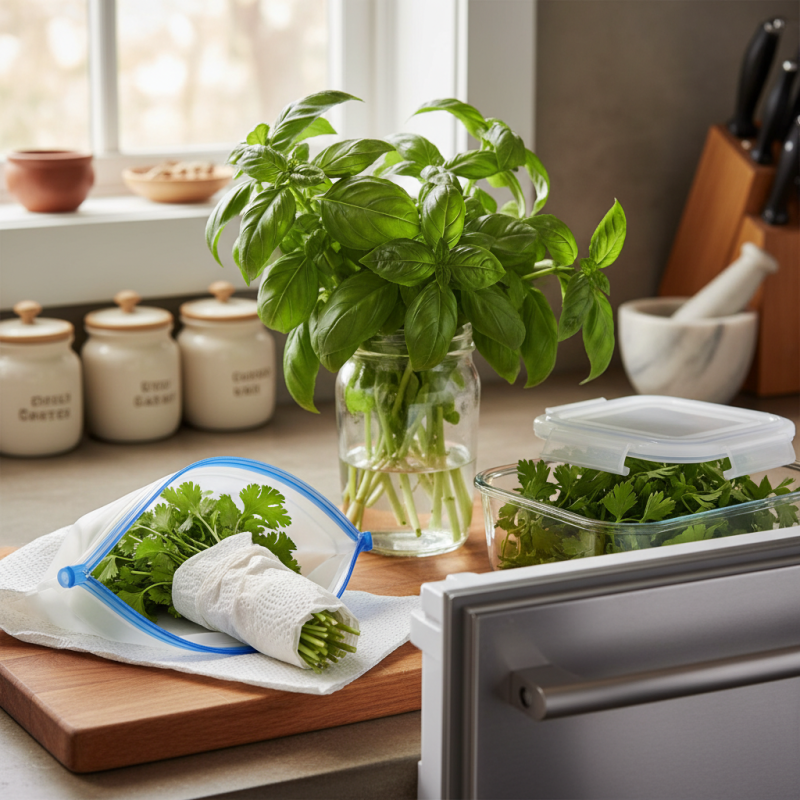
Basil, cilantro, and parsley each have unique needs. For example, basil thrives in water, standing tall like a bouquet. Cilantro prefers a damp paper towel, keeping it crisp yet delicate. Many cooks struggle with storage methods, leading to wilted, lifeless herbs. This common mistake can diminish the freshness and flavor of meals.
Experimenting with different methods is essential. Numerous containers and techniques can effectively preserve herbs. A glass jar, a simple zip-top bag, or even a fridge drawer can make a difference. Assessing individual preferences is crucial. The goal is to find a reliable way that keeps your kitchen bursting with vibrant, aromatic herbs.
Choosing the Right Fresh Herbs for Your Kitchen
Choosing the right fresh herbs can elevate your culinary creations significantly. Different herbs bring unique flavors to your dishes. Common choices like basil, cilantro, and parsley are versatile and easy to grow. Basil enhances tomato-based dishes while cilantro pairs well with Mexican cuisine. Consider your cooking style when selecting herbs.
Tips: Start with herbs that you frequently use. This ensures freshness and accessibility. Dill works wonders in salads and fish dishes, while rosemary provides depth to roasted meats. Experiment with growing your own herbs in pots. Homegrown herbs often taste better and add a personal touch to meals.
Maintaining freshness is crucial. Store herbs upright in water or wrap them in damp paper towels. This simple method prolongs their shelf life. If you happen to overbuy, freeze herbs in ice cube trays with oil. While it may not replicate fresh taste perfectly, it’s a great way to minimize waste. Reflect on your favorite flavors and adjust your herb selections as you discover new recipes.
How to Store Fresh Herbs for Best Flavor
Essential Tools and Containers for Herb Storage
When it comes to storing fresh herbs, the right tools and containers make a big difference.
Glass jars are excellent for keeping herbs fresh. They allow light to penetrate, which can help maintain flavor. Choose a jar that is not too big. Overcrowding can lead to wilting. Using small containers can keep herbs less stressed.
Consider using breathable bags made of muslin or cotton. These allow herbs to breathe while maintaining moisture balance. If you prefer a more organized approach, herb keepers are designed specifically for this purpose. They often come with water reservoirs, keeping herbs hydrated longer.
Always remember to check the moisture level. Too wet, and the herbs can rot; too dry, and they lose their flavor.
Don't underestimate the importance of labeling your containers. A simple label can help you quickly identify herbs. This can prevent waste and confusion later.
Experimenting with different storage strategies is part of the process. What works for one type of herb might not work for another. Stay open to adjusting your methods until you find what works best for your kitchen.
Methods for Storing Fresh Herbs: Water, Drying, and Freezing
Storing fresh herbs properly can significantly enhance their flavor and longevity. Using water is a common method that helps maintain freshness. Place the herb stems in a jar, similar to a bouquet of flowers, and add water. Cover the tops loosely with a plastic bag. This technique is effective for herbs like basil and cilantro, which thrive with moisture. According to a study by the Culinary Institute of America, herbs stored this way can last up to two weeks.
Drying herbs is another popular method. While air drying is simple, it may not capture all the flavor and fragrance. For better flavor retention, use a dehydrator or an oven on low heat. A report from the National Center for Home Food Preservation suggests that dehydrating can reduce moisture content by 80%, preserving essential oils. However, take care not to over-dry, as this can lead to loss of potency.
Freezing herbs is a convenient option for long-term storage. Chop the herbs and pack them into ice cube trays filled with water or olive oil. This helps retain flavor and aroma better than other methods. According to research by the U.S. Department of Agriculture, proper freezing can keep herbs fresh for up to a year. However, remember that not all herbs freeze equally well; basil tends to darken and lose some flavor when frozen.
How to Store Fresh Herbs in Your Kitchen for Best Flavor?
| Method |
Description |
Best Herbs |
Storage Duration |
| Water |
Place the herbs in a jar with water like a bouquet and cover with a plastic bag. |
Basil, Mint, Cilantro |
Up to 1 week |
| Drying |
Hang upside down in a dark, dry place until fully dried, then store in an airtight container. |
Thyme, Oregano, Rosemary |
6 months to 1 year |
| Freezing |
Chop herbs and place them in ice cube trays with water or oil for freezing. |
Parsley, Chives, Cilantro |
6 months |
| Refrigeration |
Wrap fresh herbs in a damp paper towel and seal in a plastic bag. |
Dill, Cilantro, Parsley |
1 to 2 weeks |
Maintaining Optimal Freshness: Temperature and Humidity Tips
When it comes to storing fresh herbs, temperature and humidity play crucial roles. Keeping your herbs at the right temperature ensures their vibrant flavors are preserved. Most herbs thrive when kept between 32°F to 40°F. The refrigerator is typically a good place, but not all herbs react the same way. For softer herbs like basil and cilantro, room temperature in a jar with water may be ideal.
Humidity levels also matter significantly. Herbs can wilt or rot without sufficient moisture. Utilize damp paper towels to wrap herbs, then seal them in a plastic bag. This setup helps maintain humidity without creating excess moisture that could lead to decay. It’s a balancing act—too much moisture promotes mold. A little trial and error may be needed to find the sweet spot for each herb.
Each herb has unique needs, which can lead to imperfect results. Sometimes, forgetting to check moisture levels can spoil an entire batch. You may find that your mint thrives in one corner of your kitchen but wilts in another. Observing and adjusting your method is key. Keeping a close eye on your herbs can lead to a more flavorful experience in the kitchen.
Easy Ways to Use Stored Herbs for Maximum Flavor
Storing fresh herbs properly can enhance their flavor significantly. Keep herbs in the refrigerator wrapped in a slightly damp paper towel. This prevents wilting and retains moisture, ensuring they're fresh longer. Alternatively, you can place herbs upright in jars with water, similar to flowers. Cover them loosely with a plastic bag for added humidity. This method is particularly effective for basil and mint.
Using stored herbs creatively amplifies their impact in dishes. Finely chop herbs and mix them into butter, creating a flavorful herb compound that can elevate any simple dish. Toss it onto grilled vegetables or spread it on warm bread to enjoy fresh herb flavors.
Tips: For maximum flavor, add herbs toward the end of cooking. This preserves their aromatic oils and bright taste. Experiment with different combinations. It’s a great way to explore flavors. Don’t hesitate to try pairing unexpected herbs; this often leads to delightful surprises.
FAQS
: Consider your cooking style and select herbs you frequently use. Common choices include basil, cilantro, and parsley.
Basil is a great herb to enhance the flavors of tomato-based dishes.
Store herbs upright in water or wrap them in damp paper towels for better longevity.
You can freeze herbs in ice cube trays with oil to prevent waste. However, the flavor won't be exactly the same.
Most herbs thrive best between 32°F to 40°F. The refrigerator is often suitable for storage.
Yes, soft herbs like basil should be stored at room temperature, often in a jar with water.
Insufficient humidity can cause herbs to wilt or rot. Wrapping herbs in damp paper towels can help.
Assess moisture levels; too much can cause mold. Sometimes adjusting placement can improve their health.
Yes, it can be trial and error. Imperfect results may arise from not monitoring conditions closely.
Homegrown herbs can taste better and add personal flair to your meals, though care is needed to maintain them.
Conclusion
To enhance your culinary creations, understanding how to store fresh herbs in the kitchen is essential. Begin by selecting the right herbs that suit your cooking style, ensuring they are fresh and fragrant. Equip yourself with essential tools like clean containers and herbs holders for optimal storage. There are various methods for storing herbs—keeping them in water, drying them, or freezing are all effective ways to retain their flavor.
Maintaining optimal freshness involves keen attention to temperature and humidity, as these factors can significantly impact the longevity of your herbs. Lastly, explore easy ways to incorporate stored herbs into your dishes, maximizing their flavor and aroma in your cooking. By following these guidelines, you can enjoy the full benefits of fresh herbs at your fingertips.

 Fergus Kitchen