Top 10 Colanders Factory & Exporters

Global Industrial Insights & Stainless Steel Kitchenware Manufacturing Excellence

The Global Colander & Strainer Industry Context

The global kitchenware manufacturing landscape has undergone a major paradigm shift. In commercial, institutional, and high-volume retail sectors, the humble colander has evolved from a basic kitchen tool into a highly engineered piece of equipment. As health authorities like the FDA and BfR (German Federal Institute for Risk Assessment) tighten limits on heavy metal migration and chemical leaching, food-grade materials like SUS304 and SUS316 stainless steel have become the industry standard.
For sourcing agents and B2B buyers seeking top exporters, understanding structural attributes—such as micro-perforation spacing, rim design, spot welding vs. rivet strength, and surface treatments (electrolytic polishing vs. mirror polishing)—is critical to mitigating compliance risks. Today, China accounts for over 65% of the world's high-grade stainless steel kitchen tool exports, driven by concentrated supply chain networks in provinces like Guangdong.
65%+
Global Export Share
SUS304
Standard Grade Material
0%
BPA & Heavy Metal Risk
100%
Dishwasher Safe Certified

About Us: Guangdong Fergus Kitchen Co., Ltd.

Founded in 2000, Guangdong Fergus Kitchen Co., Ltd. specializes in manufacturing high-quality kitchenware, tableware, and barbecue tools. Over the years, we have built a strong presence in markets across Europe and the United States, with a particular emphasis on the German market, known for its demand for top-quality products.
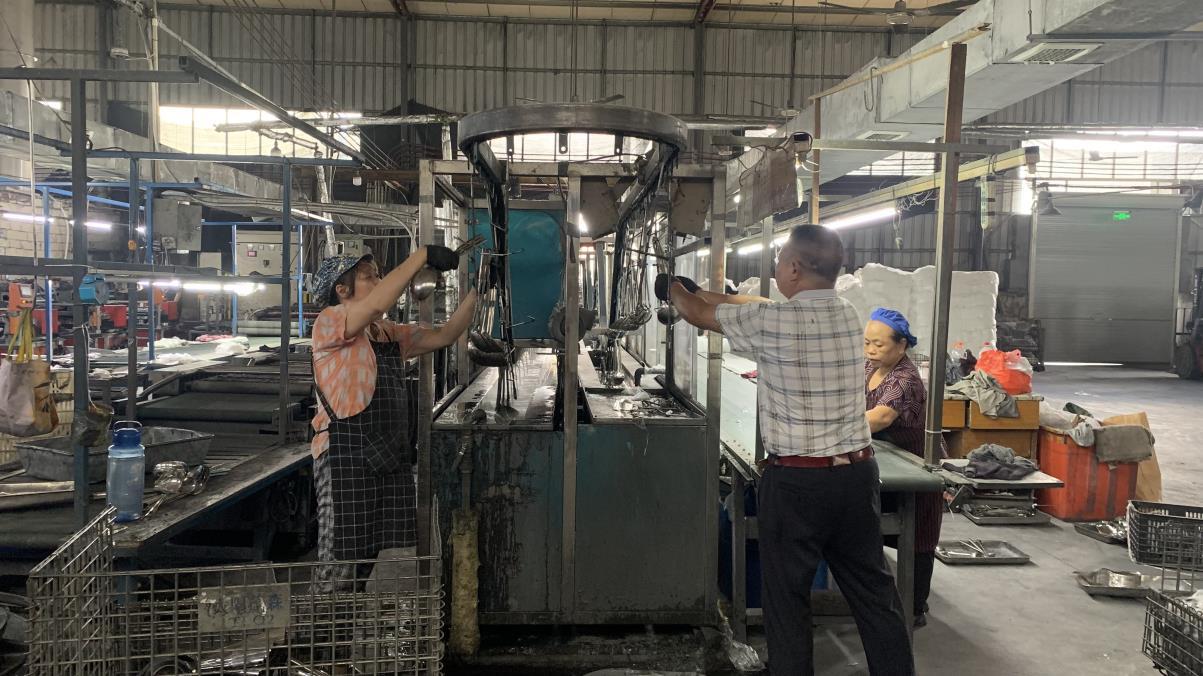
Guangdong Fergus Kitchen Co., Ltd. Factory Overview
One-Stop Service
We offer a diverse and extensive range of products, catering to the various procurement needs of our global customers. Our one-stop service ensures that clients can find everything they need, from kitchen essentials to dining accessories, all under one roof. Our commitment to versatility and customer satisfaction is central to our operations, ensuring that we can meet the specific needs of every customer, no matter where they are located.
Rigorous Testing
Our products undergo a series of rigorous tests to ensure they meet the highest quality standards. These include dishwasher tests, BPA content analysis, heavy metal testing, migration analysis, and more. Each product is carefully examined to ensure it meets both safety and performance criteria, offering customers peace of mind that they are receiving reliable, safe, and durable products.
Dedicated Support
At Guangdong Fergus Kitchen Co., Ltd., we believe in providing more than just products – we offer comprehensive solutions that address the unique needs of our customers. Our dedicated customer service team works closely with clients to ensure that every order is handled with care and precision. From product selection to post-purchase support, we aim to provide a seamless experience that enhances customer satisfaction at every step.
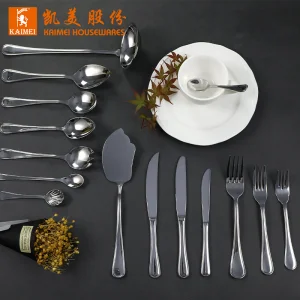
Guangdong Fergus Kitchen Co., Ltd. Product Line Display

Corporate Values & Vision

At Guangdong Fergus Kitchen Co., Ltd., we operate under the guiding principles of "credit, quality, pragmatism, and innovation." We are deeply committed to providing high-quality products and ensuring customer satisfaction through continuous improvement. Our goal is to stay ahead of market trends, constantly meet the evolving needs of our customers, and integrate their feedback into our product development process. We strive to enhance product technology and maintain high standards of production, design, and sales services.
Looking to the future, we aim to strengthen our position as a global leader in the kitchenware industry. Our vision is to provide innovative, sustainable products while maintaining the highest standards of quality, ensuring that every product we manufacture exceeds our customers’ expectations.

Advanced Manufacturing Workflow & Infrastructure

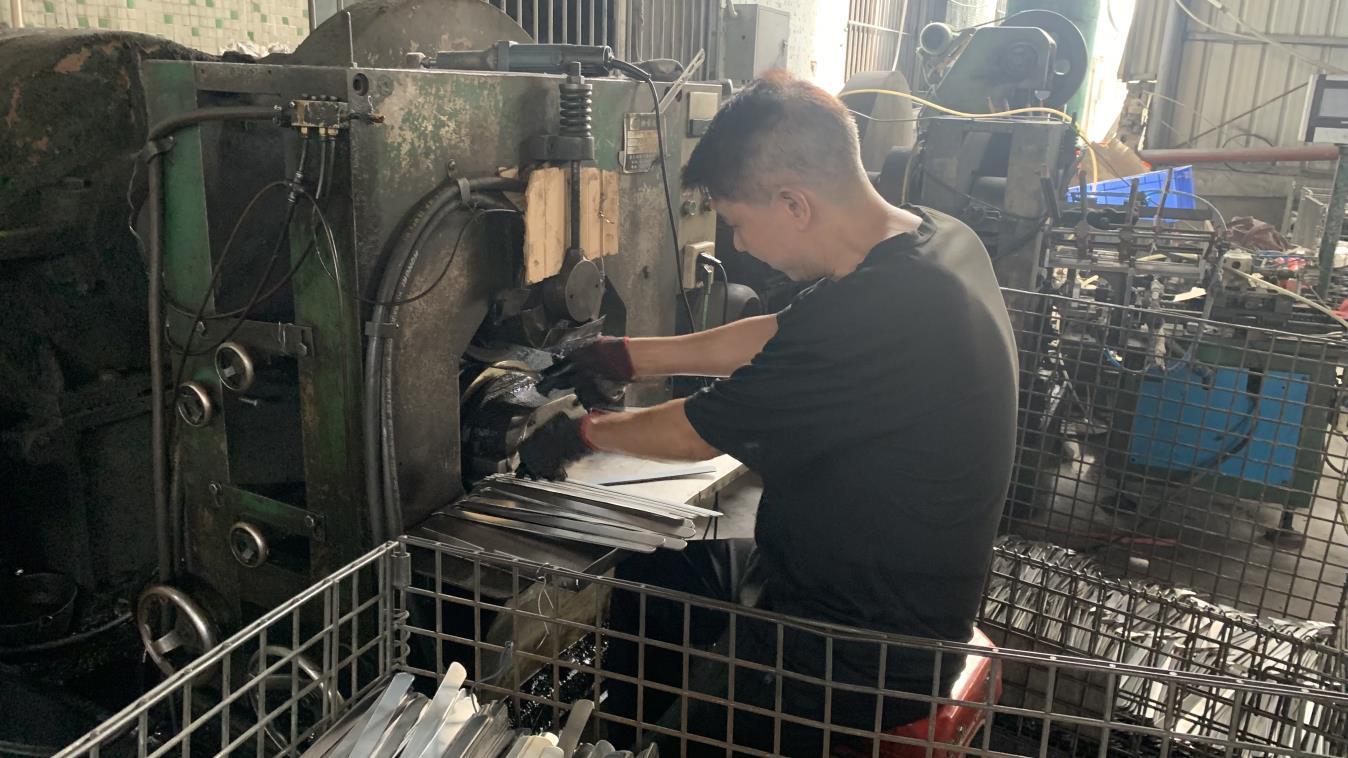
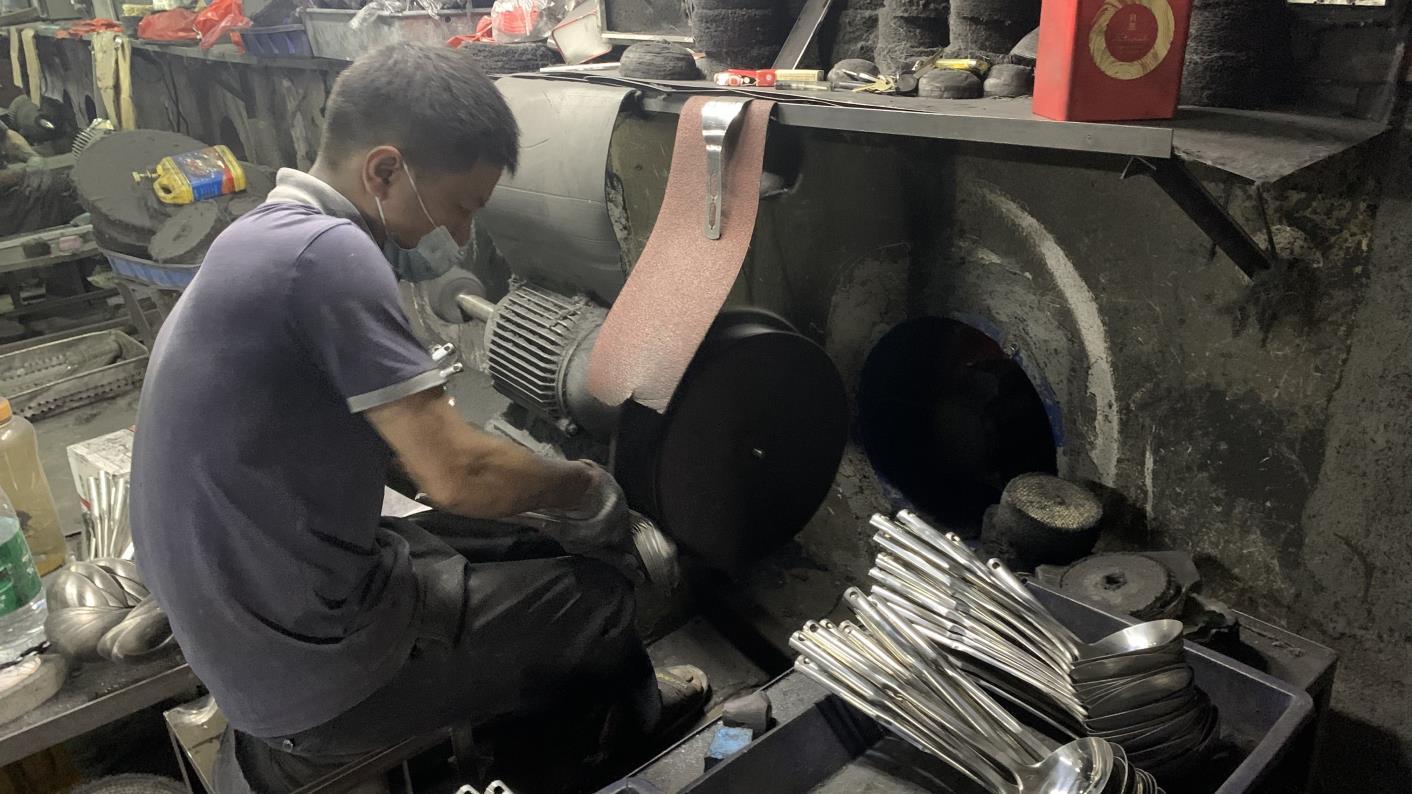
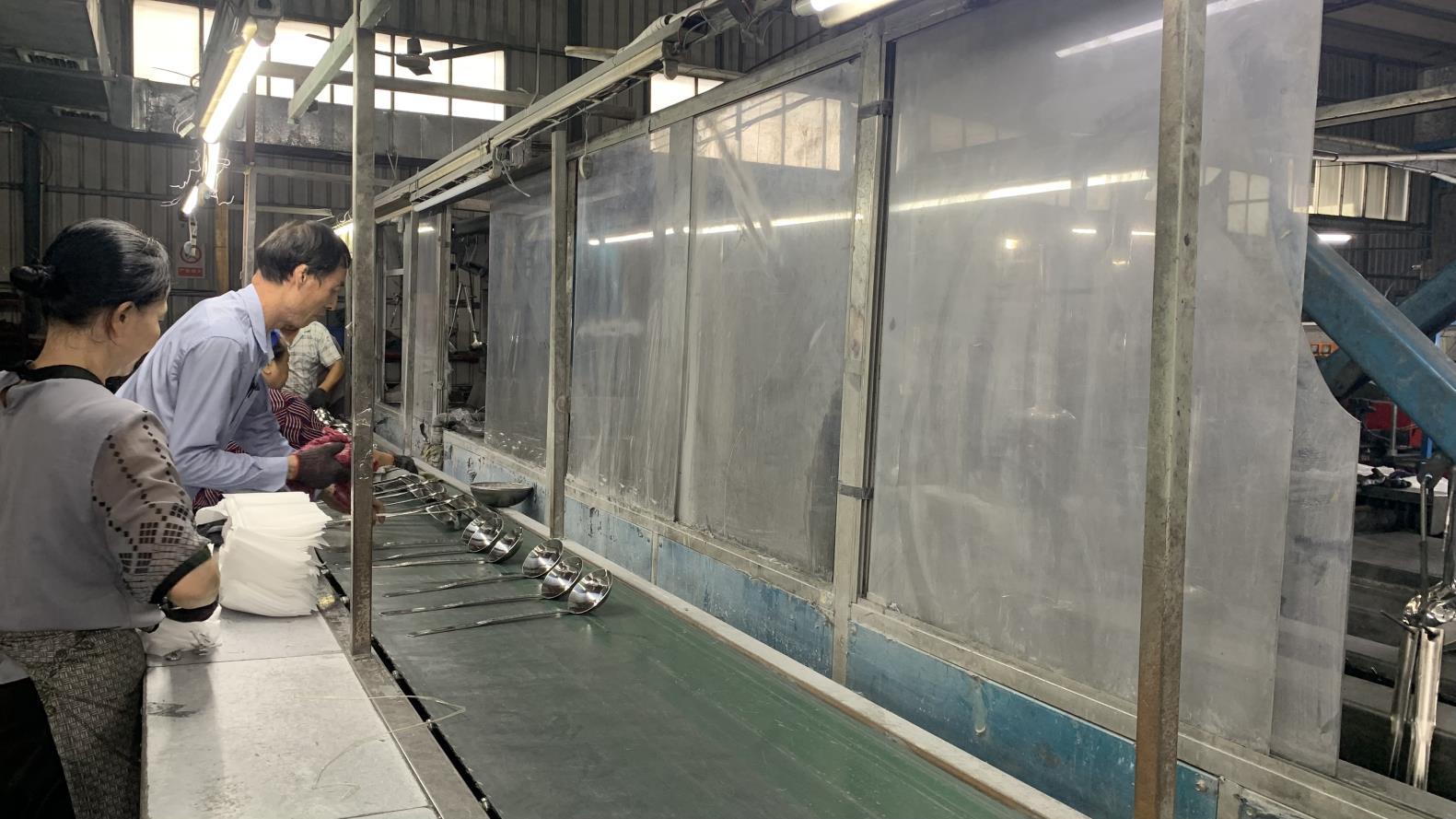
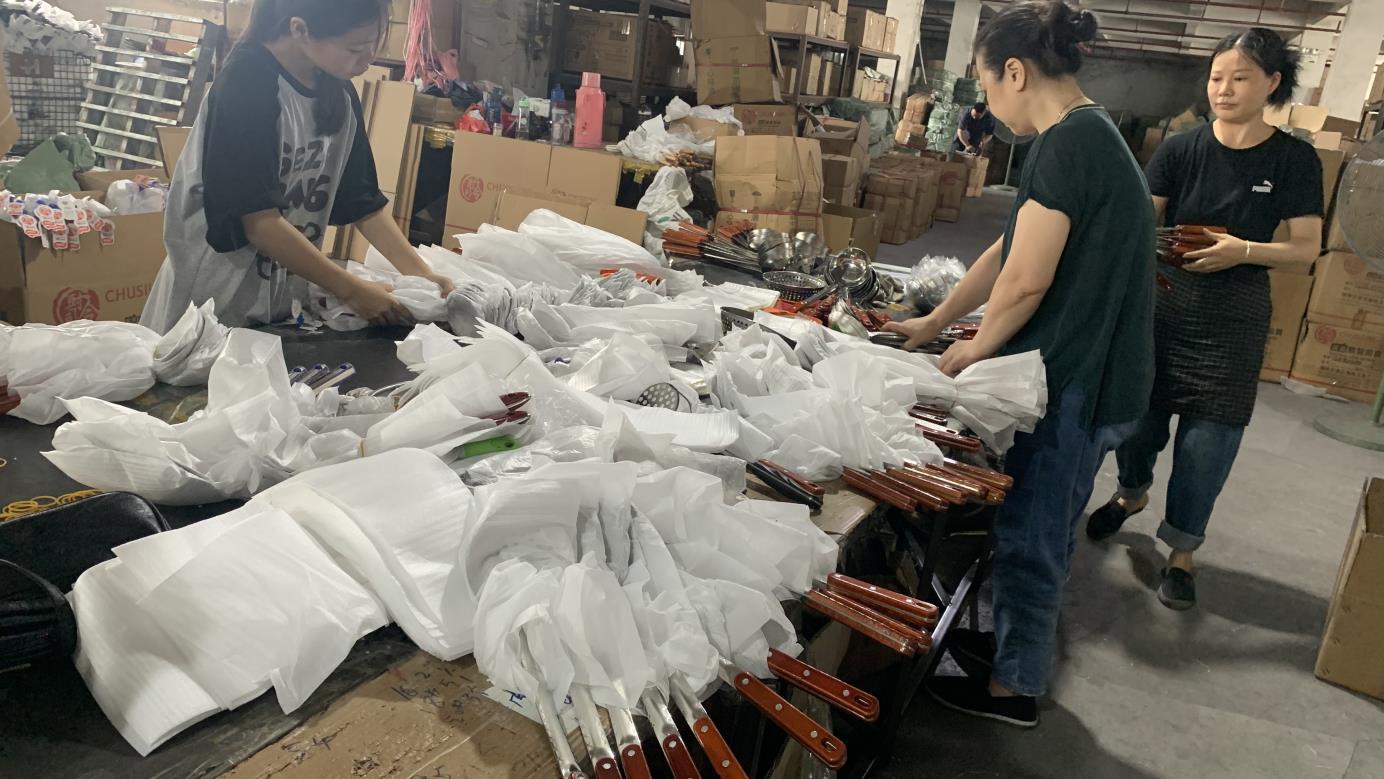
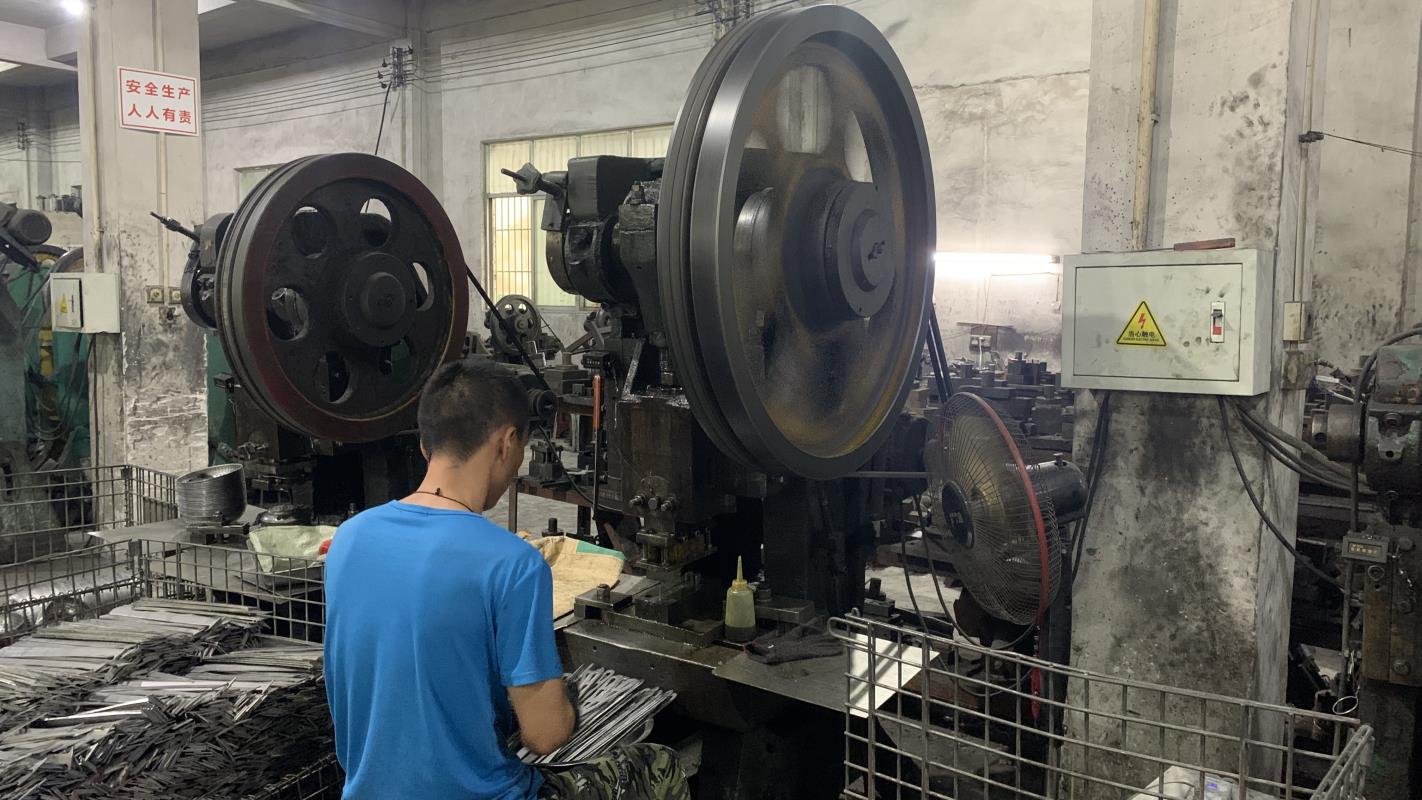
A transparent view into our precision fabrication process, combining high-pressure hydraulics with artistic polishing craftsmanship.
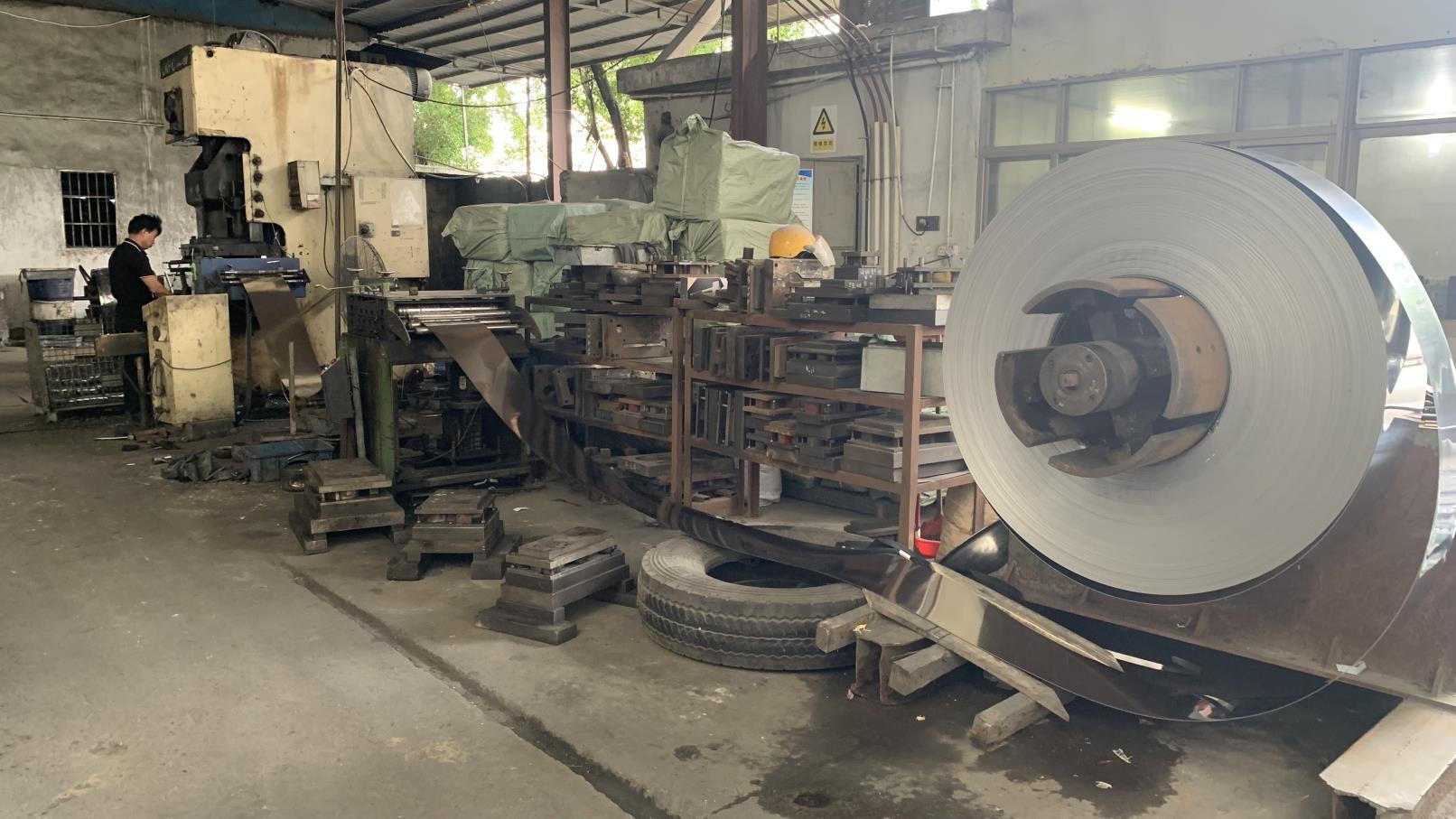
1. Production Steps

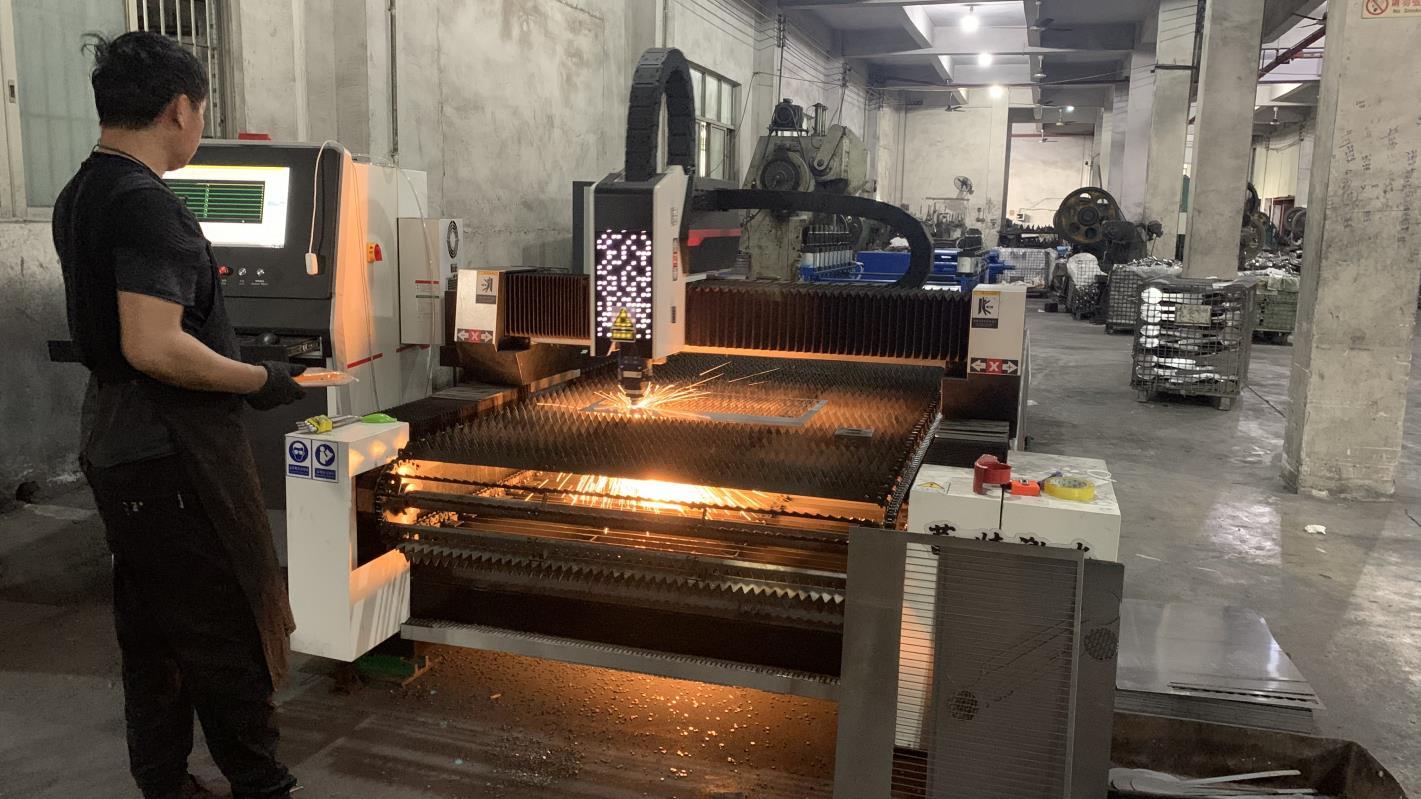
Metal Cutting Process
Cutting
Metal Punching Process
Punching
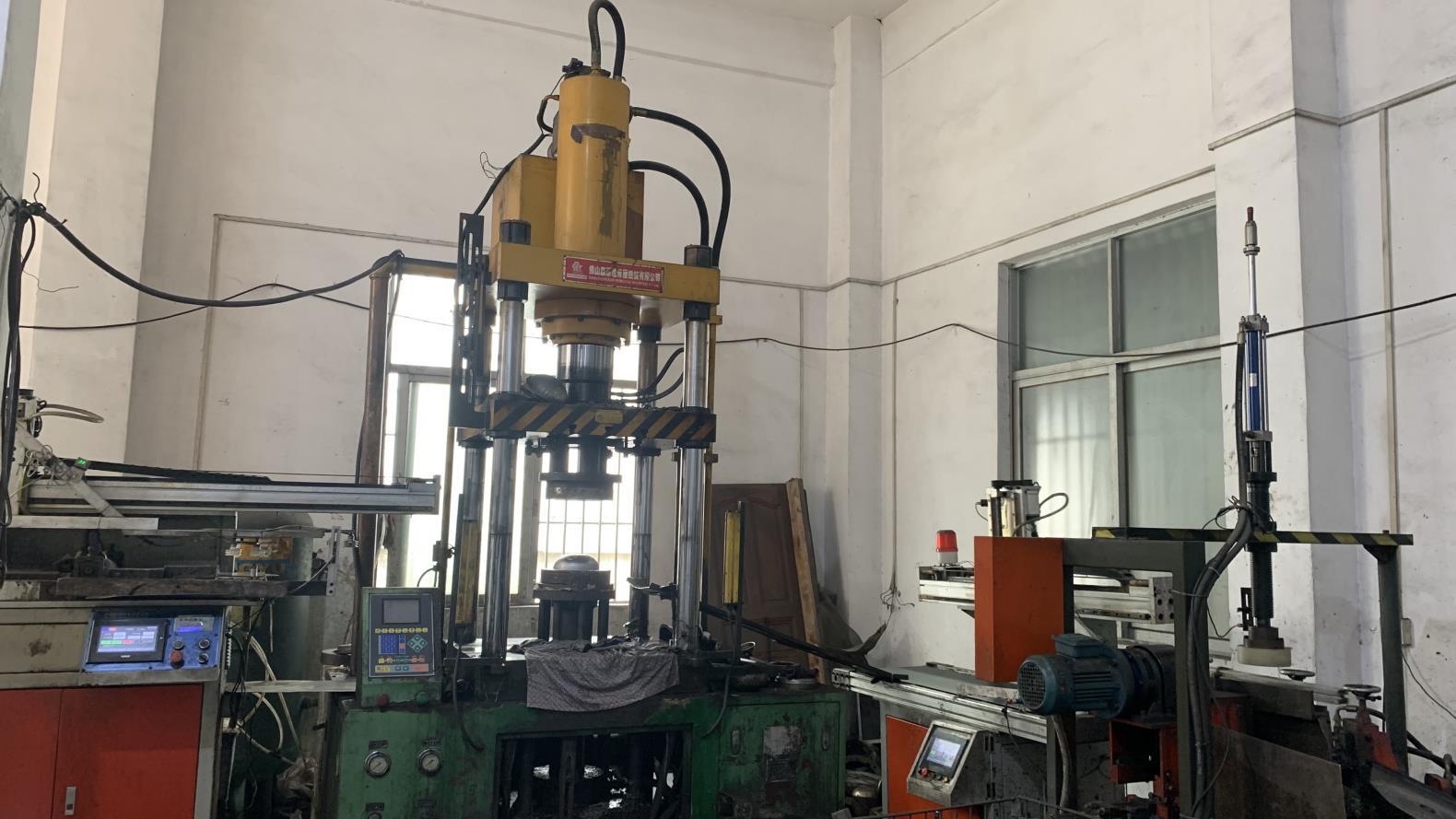
Hydraulic Pressing Process
Pressing
Edging and Trimming Process
Trimming
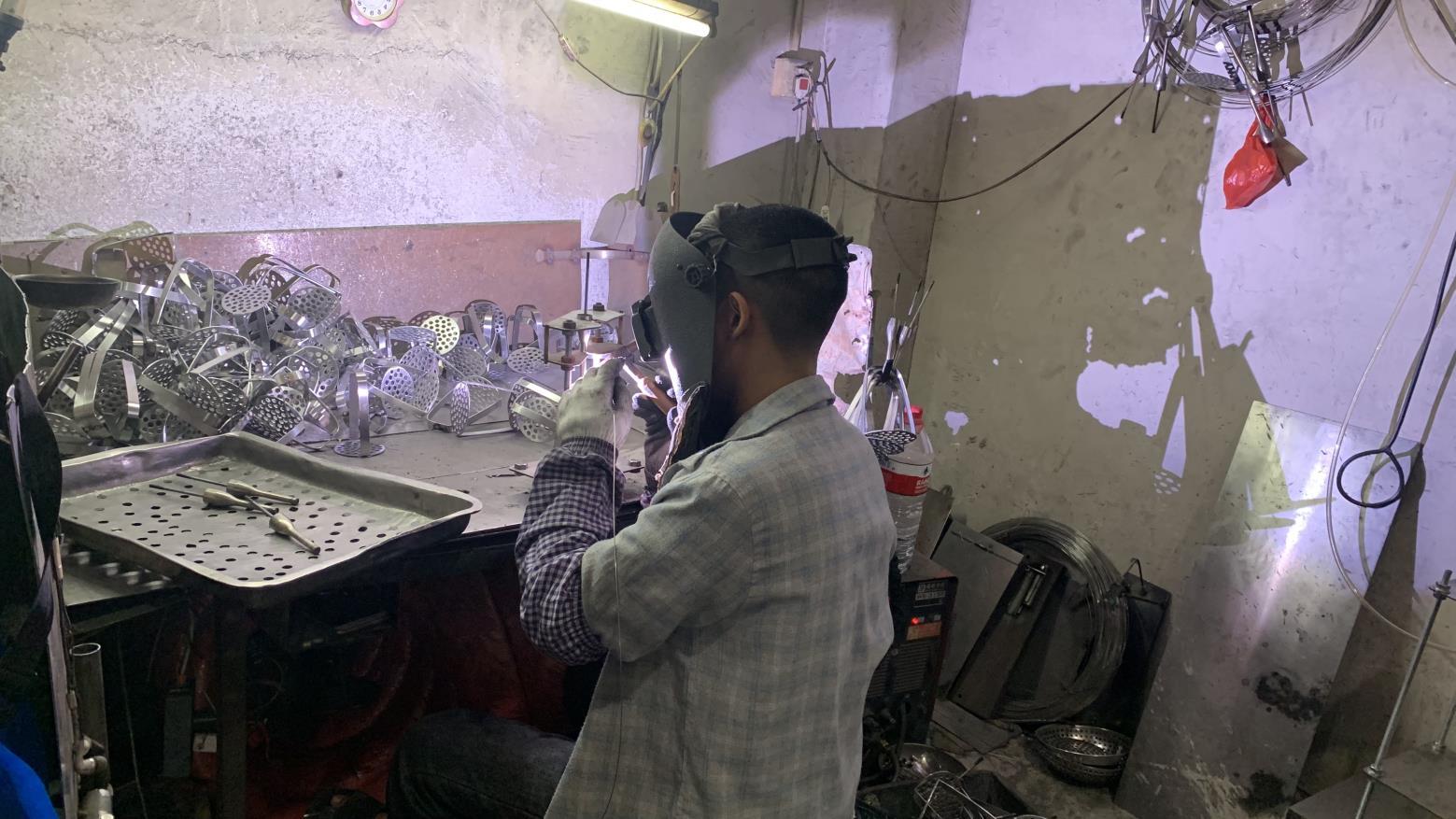
Precision Spot Welding Process
Welding
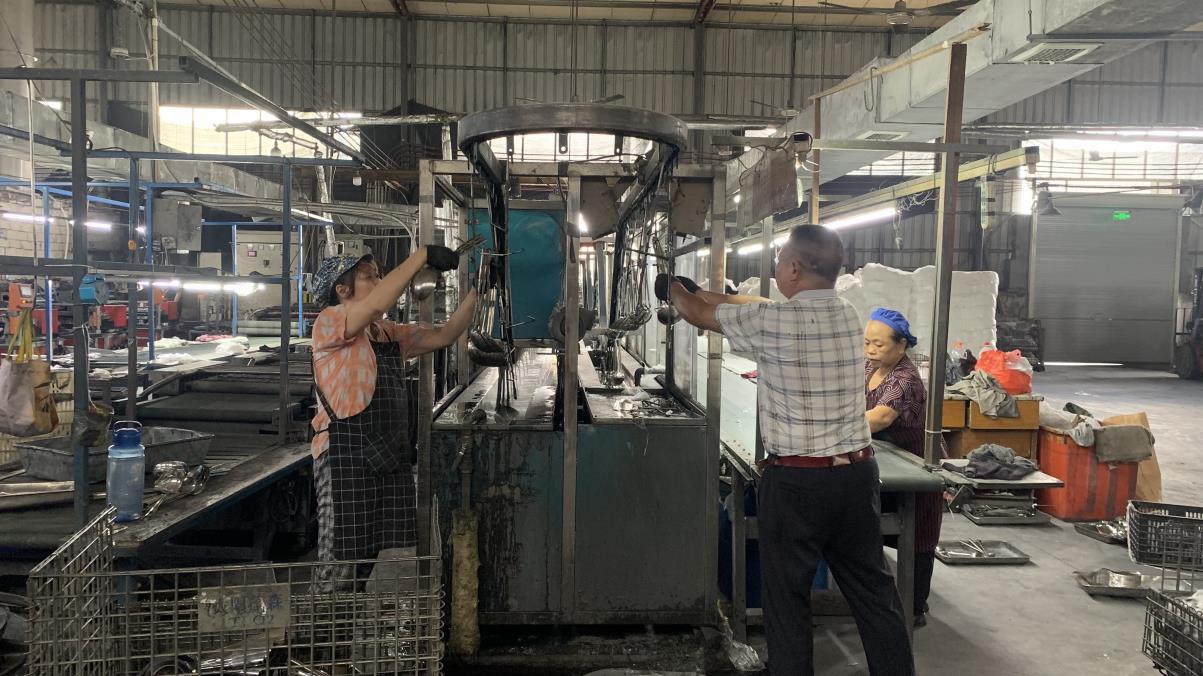
Surface Polishing Process
Polishing
Ultrasonic Cleaning Process
Cleaning
CNC Laser Etching Process
Laser Printing
Visual Quality Inspection
Inspection
Retail Packaging Process
Packing
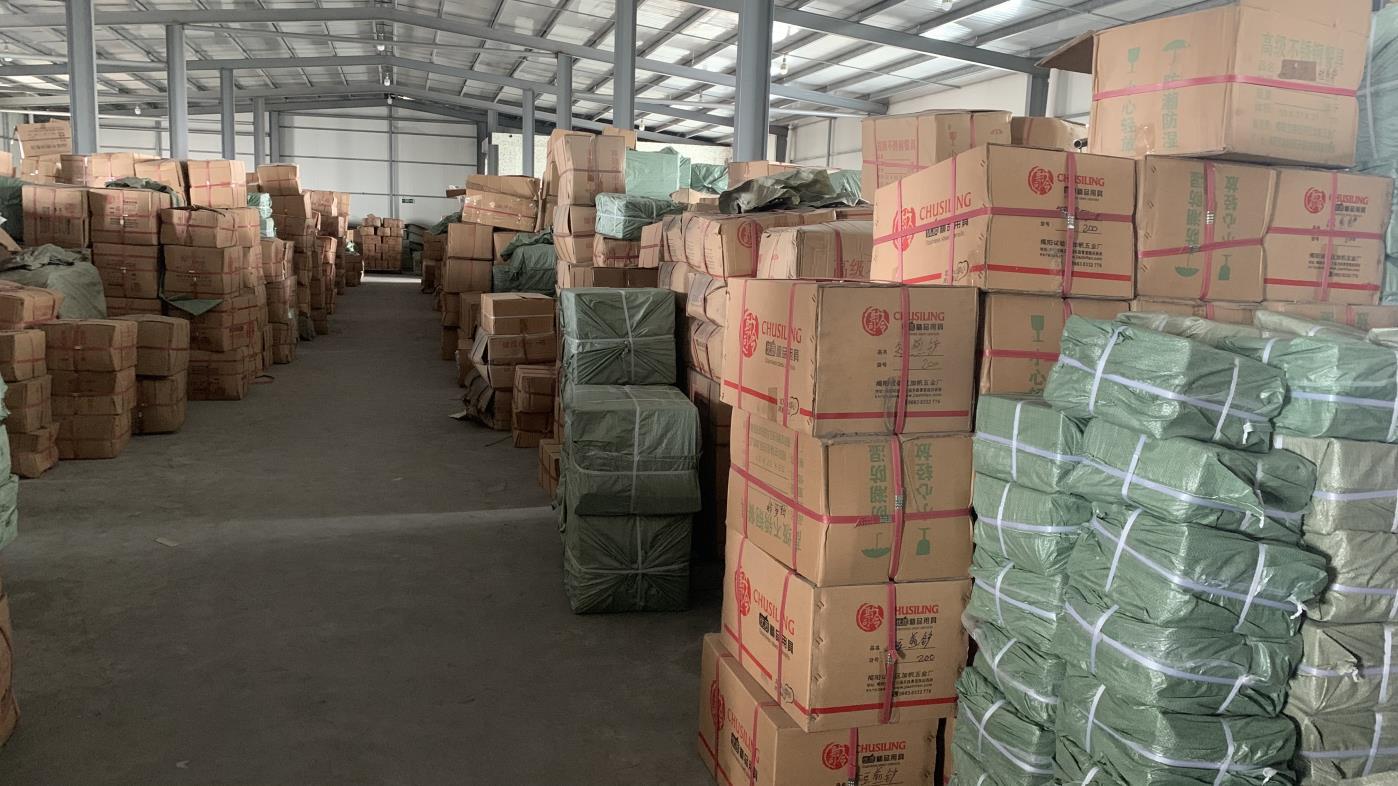
Warehouse Storage and Export Logistics
Packing Goods In Warehouse

2. Heavy Machinery Infrastructure

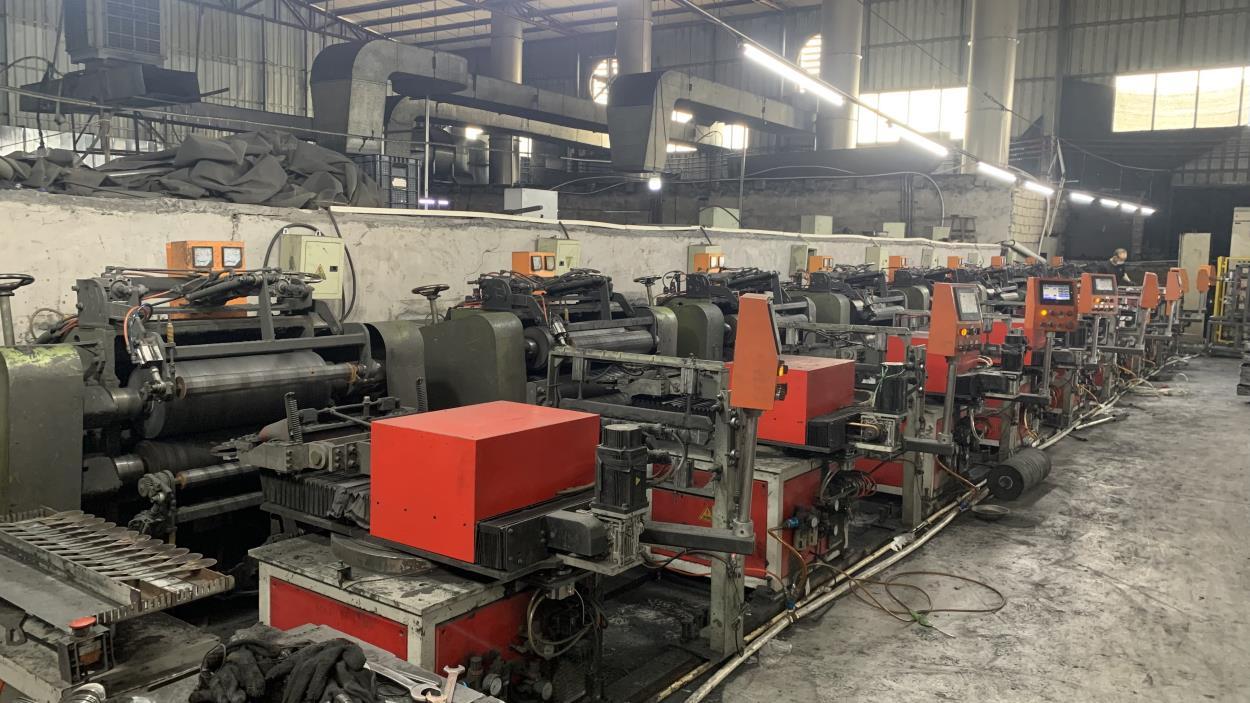
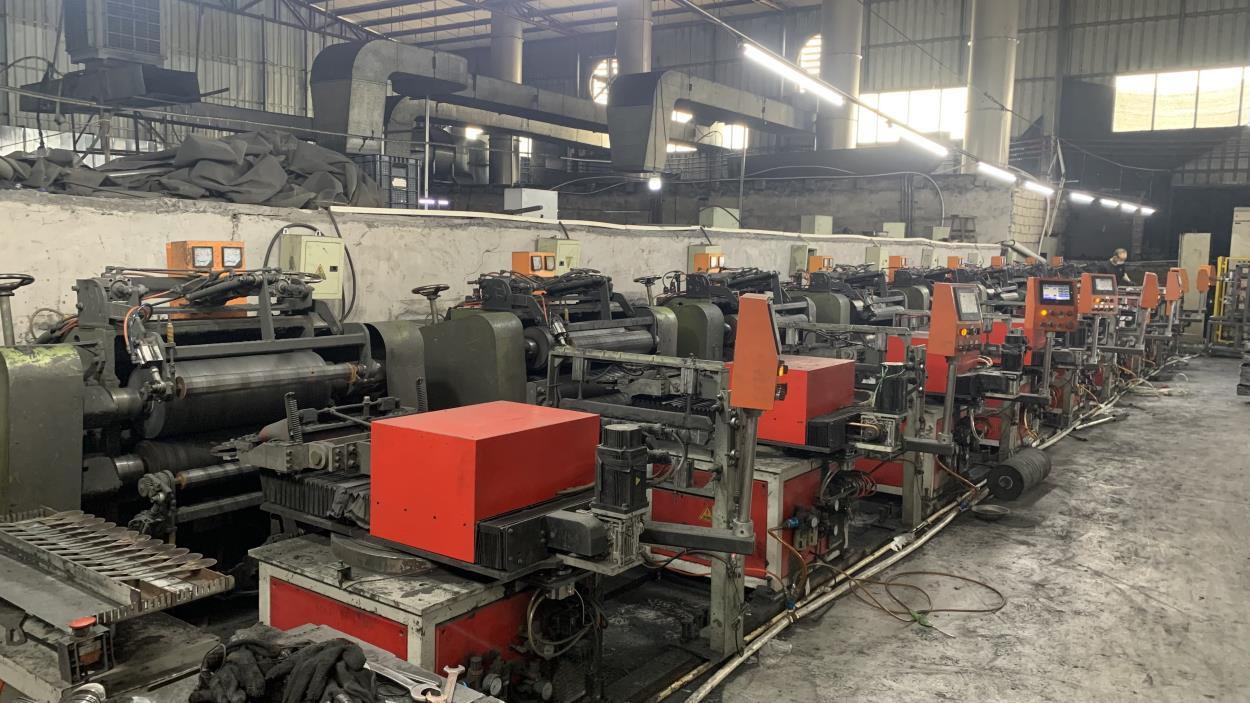
Heavy Metal Pulling Machine
Pulling Machine
Automated Polishing Machine
Polishing Machine
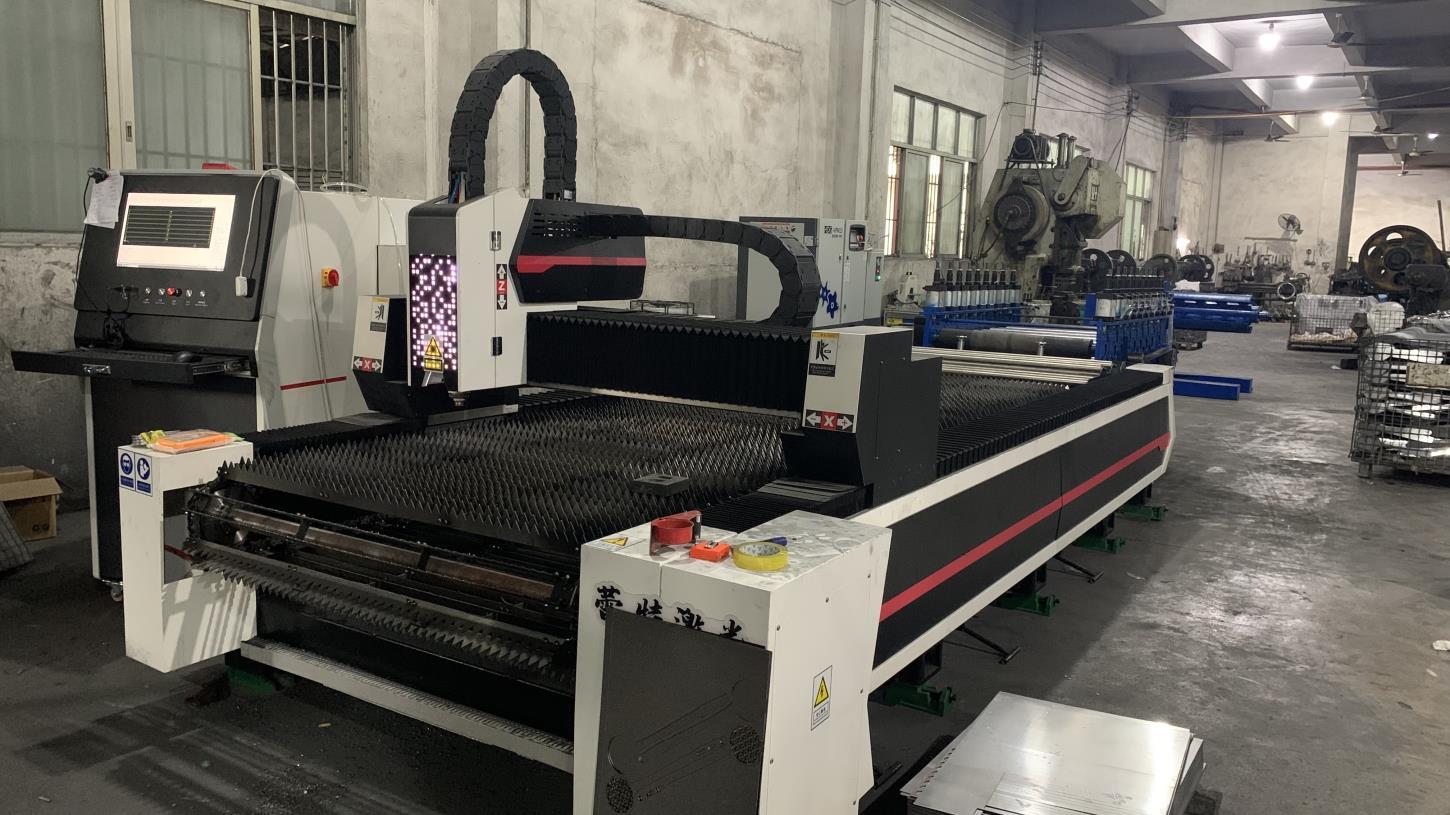
Industrial Laser Etching System
Laser Printing Machine
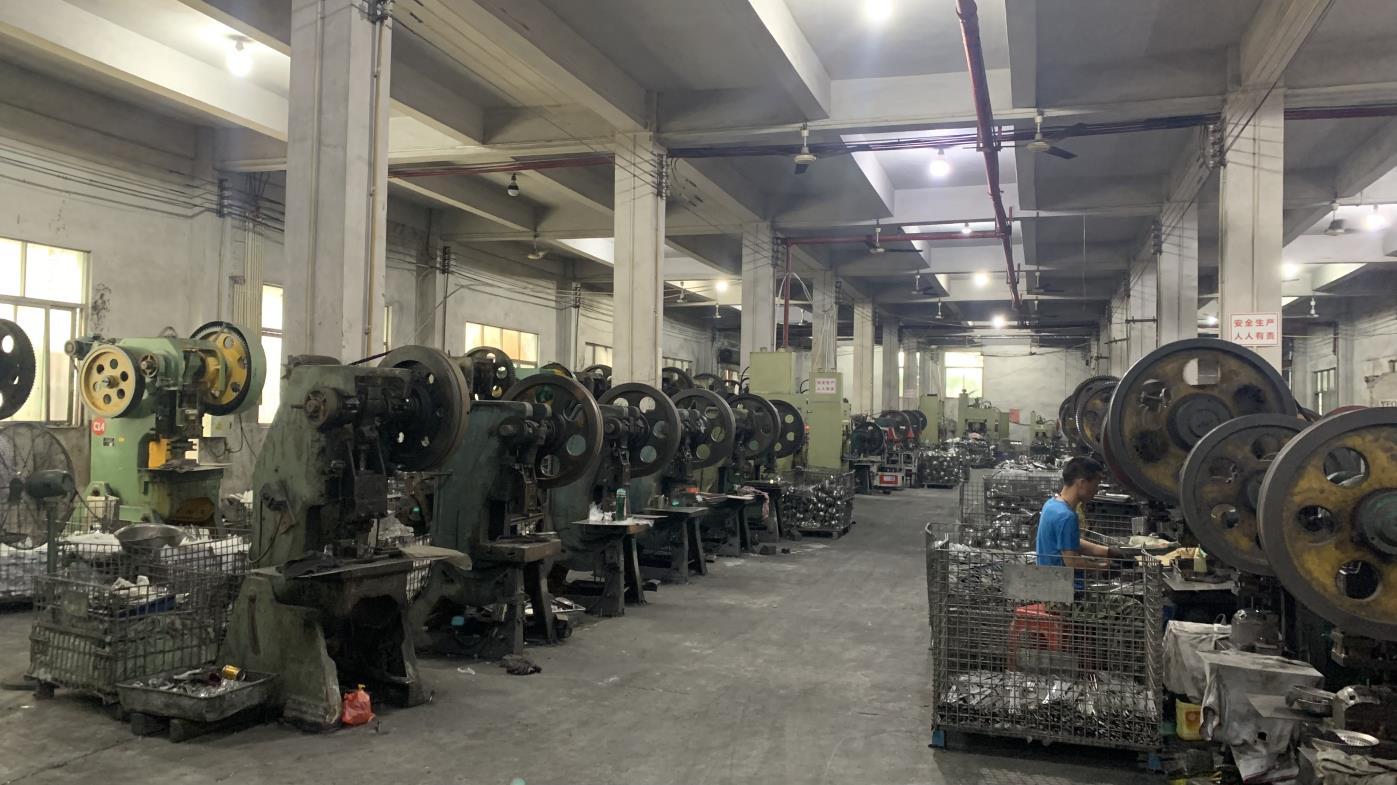
CNC Punching Press
Punching Machine
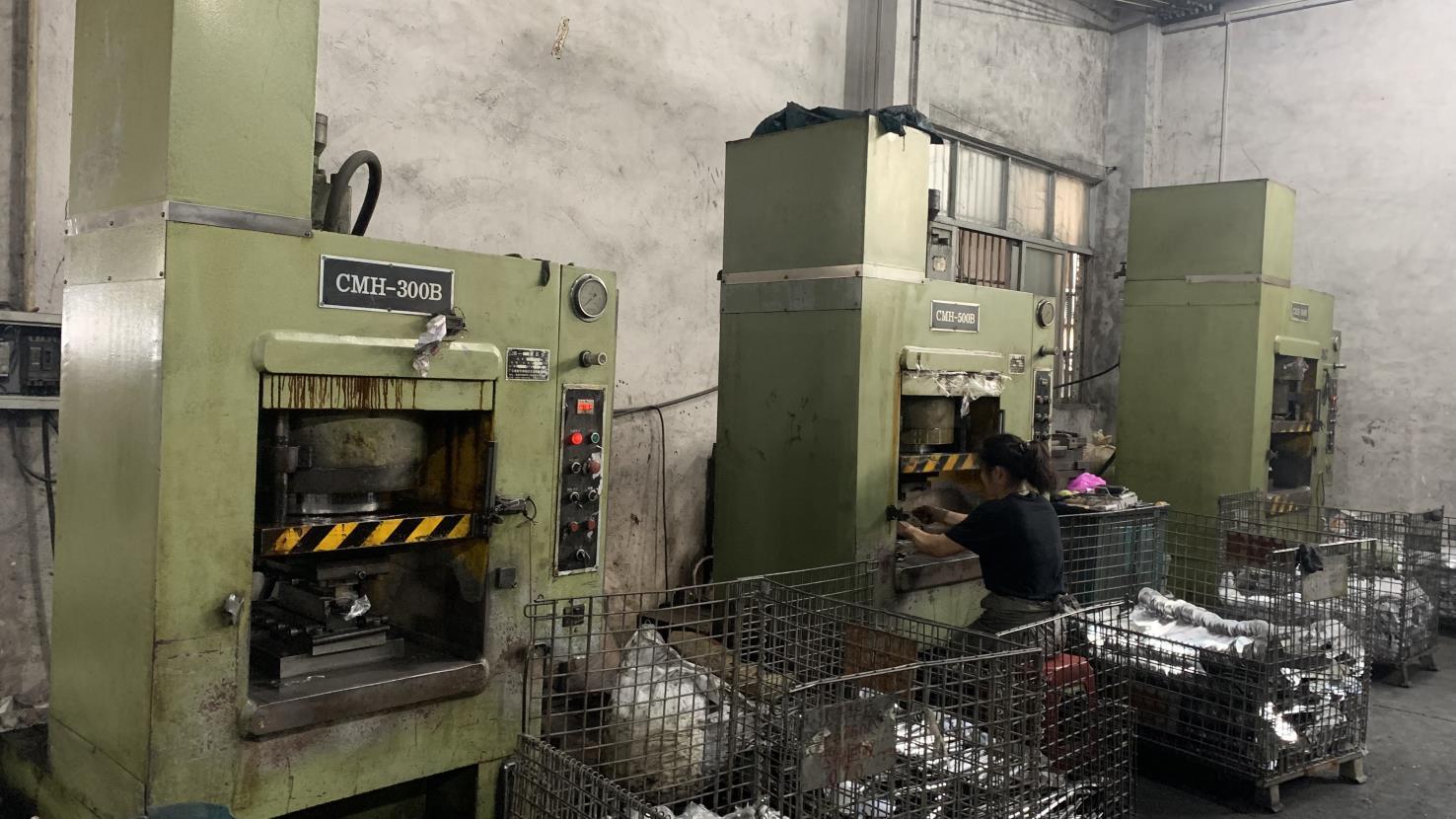
Deep Drawing Hydraulic Machine
Hydraulic Machine
Multi-stage Degreasing Cleaning Machine
Cleaning Machine

Selection Criteria for Commercial Sourcing

Selecting a colander factory involves analyzing technical capabilities that directly impact product life, sanitation compliance, and usability. Below are key checkpoints for professional B2B kitchenware buyers:
Alloy Grade & Corrosion Testing
Ensure the factory performs regular spectrometer testing to verify Nickel and Chromium content (SUS304 must contain min. 8% Ni and 18% Cr). Exporters should provide Salt Spray Test reports (typically 24 to 48 hours) to verify rust resistance in humid, salty commercial environments.
Micro-Perforation Precision
High-quality colanders use precision CNC punch presses to ensure clean, consistent hole patterns without burrs. Rough edges around perforations present safety hazards for kitchen workers and capture food particles, leading to bacterial growth.
Handle & Base Joint Durability
Evaluate the welding quality at the connection points for handles and base rings. Spot welding must be clean and free of cavities. Heavy-duty commercial applications often require riveted handles to handle loads of up to 10kg without failure.

Industry Trends & Localized Adaptations

The global demand for high-performance colanders varies widely by market segment and geographic region. Exporters must tailor their offerings to meet localized standards:
North America: Heavy Duty & NSF Compliance
In the US and Canada, commercial kitchens prioritize products with NSF/ANSI 2 sanitation certification. Colanders must feature seamless designs, rounded corners, and fully sealed handles to prevent liquid accumulation. Sizing defaults to larger capacities (8 to 16 quarts) for heavy-duty food preparation.
Europe: German LFGB & Elegant Ergonomics
European markets, particularly Germany, demand compliance with strict LFGB food safety regulations. Design preferences lean toward minimalist, elegant, satin-finished stainless steel with comfortable silicone handles. Compact sizes (1.5 to 5 liters) dominate urban residential kitchens.
Asia-Pacific: High-Frequency Washing
In Asian culinary contexts, colanders are heavily used for washing starch-rich foods like rice, noodles, and grains. This requires ultra-fine micro-mesh patterns (mesh strainers) and strong footed bases to withstand constant pressure during manual washing.

Technical Q&A: B2B Sourcing & Compliance

Answers to technical, regulatory, and logistics questions commonly asked by global procurement specialists.

What are the main differences between SUS304 and SUS201 stainless steel in colander manufacturing?

SUS304 contains 8% Nickel and 18% Chromium, providing superior corrosion resistance and acid resistance, making it suitable for long-term food contact and dishwasher cleaning. SUS201 replaces part of the Nickel content with Manganese, which lowers production costs but results in a higher susceptibility to rust in saline or acidic kitchen environments. Guangdong Fergus Kitchen Co., Ltd. uses high-grade SUS304 as its primary material to meet strict EU/German standards.

Does the factory support custom tooling for OEM/ODM orders?

Yes. Our facility is equipped with dedicated CNC machining tools, pulling machines, and heavy hydraulic systems. We accept custom dimension requests, handle configurations, base ring elevations, and custom perforation patterns. Sourcing agents can submit 2D/3D CAD drawings, and our engineering team can produce physical samples in 10-15 working days.

How does Guangdong Fergus Kitchen Co., Ltd. guarantee compliance with German LFGB and US FDA food contact regulations?

Our products undergo third-party lab testing (SGS, TUV, or Intertek) to verify compliance with heavy metal migration limits and BPA-free specifications. Our manufacturing process excludes chemical polishing treatments that leave hazardous residue, replacing them with eco-friendly mechanical or electrolytic polishing to ensure food contact surfaces remain safe.

What is the typical lead time and MOQ for global ocean freight shipment?

Our standard lead time is 35 to 45 days after deposit confirmation and sample approval. The standard MOQ varies between 1,000 to 3,000 units per model, depending on size and tooling configurations. We ship directly out of Shenzhen or Guangzhou ports to facilitate rapid loading and lower inland logistics costs.