Explore high-quality industrial components, mechanical equipment, and commercial food service solutions integrated within our enterprise distribution network.

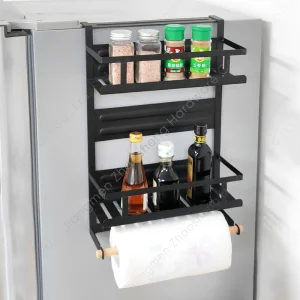
The global culinary accessories industry has undergone a massive transformation over the past decade. Pot holders and oven mitts—once simple, single-layered textile goods—have evolved into high-performance safety apparatuses. Driven by strict international consumer protection codes, evolving commercial safety norms, and the integration of food-grade polymers, selecting the right pot holder manufacturer has become a highly technical endeavor for global procurement executives.
In 2024, the global market for kitchen textiles, including heat-resistant pot holders and oven mitts, reached an estimated value of USD 12.8 Billion, projected to grow at a Compound Annual Growth Rate (CAGR) of 5.8% through 2030. This growth is predominantly fueled by two sectors: the expansion of luxury commercial hospitality chains and the surging consumer preference for smart, durable, and highly sanitized home goods.
When sourcing pot holders at scale, professional buyers must look beyond cost-per-unit metrics. The primary differentiator lies in the Material Degradation Threshold. Standard cotton pot holders disintegrate rapidly under wet heat conditions, whereas hybrid compositions—integrating silicone gripping matrices with heavy-duty neoprene or aramid fiber cores—preserve tactile flexibility while blocking convective heat transfer. Procurement teams must audit potential suppliers on their testing protocols, ensuring compliance with heavy metal regulations, food contact migration standards, and tensile tear tests.
Founded in 2000, Guangdong Fergus Kitchen Co., Ltd. has established a formidable international reputation as a leading manufacturer of high-quality kitchenware, tableware, and professional barbecue tools. Operating for over two decades, we have aligned our production infrastructure with the demands of highly demanding markets throughout Europe and North America. In particular, we have nurtured strong alliances in the German market, where precision manufacturing, strict compliance, and durable product builds are non-negotiable requirements.
Our operational approach is centered on "credit, quality, pragmatism, and innovation." Through continuous optimization of our manufacturing technologies, rigorous training, and a deep appreciation of feedback loops from our clients, we successfully serve as a core supplier for global brands looking to source high-performance thermal protective gear and metal-trim kitchen solutions.

We manage a highly integrated, multi-disciplinary catalog that encompasses dining accessories, cooking tools, and protective kitchen garments under a unified quality assurance model. This allows global retail giants and commercial distributors to consolidate their procurement, mitigating logistics complexity and reducing shipping footprints.
All products manufactured inside our facilities undergo strict testing protocols. We evaluate mechanical durability through thousands of commercial dishwasher cycles, perform BPA content analysis, test for heavy metal containment, and carry out chemical migration studies using advanced high-temperature simulation technologies to ensure strict compliance with global food contact directives.
At Guangdong Fergus Kitchen Co., Ltd., we provide end-to-end B2B solutions. From early-stage custom 3D modeling and structural prototype iterations to localized packaging compliance design, ocean freight clearance, and after-sales quality reviews, our dedicated account managers maintain transparent communication channels.
A comparative evaluation of leading manufacturers, assessing thermal capacity, material options, and compliance frameworks.
| Manufacturer Name | Primary Production Region | Material Focus Area | Testing & Compliance Standards | Recommended Market Segments |
|---|---|---|---|---|
| Guangdong Fergus Kitchen Co., Ltd. | Guangdong, China | Silicone-Textile Hybrids & Metal Trim Accents | LFGB, FDA, Dishwasher, BPA-Free, Migration Testing | Premium OEM Brands, European Distributors, Commercial Hospitality |
| Zhejiang Kitchen Textile Group | Zhejiang, China | Quilted Cotton & Poly-blend Fabrics | BSCI, OEKO-TEX Standard 100 | High-Volume Retail, Promotional Merchandising |
| LoomCraft Home Textiles | Karur, India | Organic Organic Cotton, Handloom Weaves | GOTS Certified Organic Cotton | Eco-Conscious Specialty Shops, Artisan Boutiques |
| TexProtec GmbH | Saxony, Germany | Aramid & Meta-Aramid Fire-Resistant Fabrics | EN 407 (Thermal Risk Level 4), CE marked | Heavy Industrial Cookery, Bakeries, Foundry Cooking |
| SilicShield Innovations | Dongguan, China | Platinum Cured Molded Silicone | FDA 21 CFR 177.2600, REACH SVHC list | Modern Culinary Gadget Importers, Retailers |
| Hanoi Textile Mills | Red River Delta, Vietnam | Canvas, Denim & Linen Multi-layers | ISO 9001:2015, Smeta Audit | High-volume Department Store Sourcing |
| EcoFiber Home LLC | Puebla, Mexico | Recycled Denim, Upcycled Cotton Fabrics | Global Recycled Standard (GRS) | North American Big Box Retail Chains |
| Sakai Thermal Wear | Osaka, Japan | Nanofiber Layered Insulation | JIS Heat Insulation standard (Japan) | High-End Professional Chef Wear, Premium Kitchens |
| EuroChef Textiles Sp. z o.o. | Lodz, Poland | Coated Linen & Silicone Print Composites | EU Regulation 1935/2004 | Mid-to-High Tier European Kitchenware Brands |
| Karachi Weave & Print | Sindh, Pakistan | Twill Cotton, Terry Cloth Liners | WRAP, BSCI Audit Compliant | Budget Sourcing, Institutional Kitchen Supply |
This B2B index highlights the regional advantages within the kitchen protective wear supply chain. High-volume textile manufacturers based in India and Pakistan focus on standard cotton and terry cloth solutions. In contrast, advanced industrial hubs in Germany and Japan specialize in extreme high-temperature industrial synthetics.
For mid-to-high tier brands requiring a balanced approach—incorporating robust thermal protection, modern designs, complex silicone printing, and regulatory compliance—manufacturers like Guangdong Fergus Kitchen Co., Ltd. represent an optimal middle ground, merging modern polymer manufacturing technologies with competitive scale pricing.
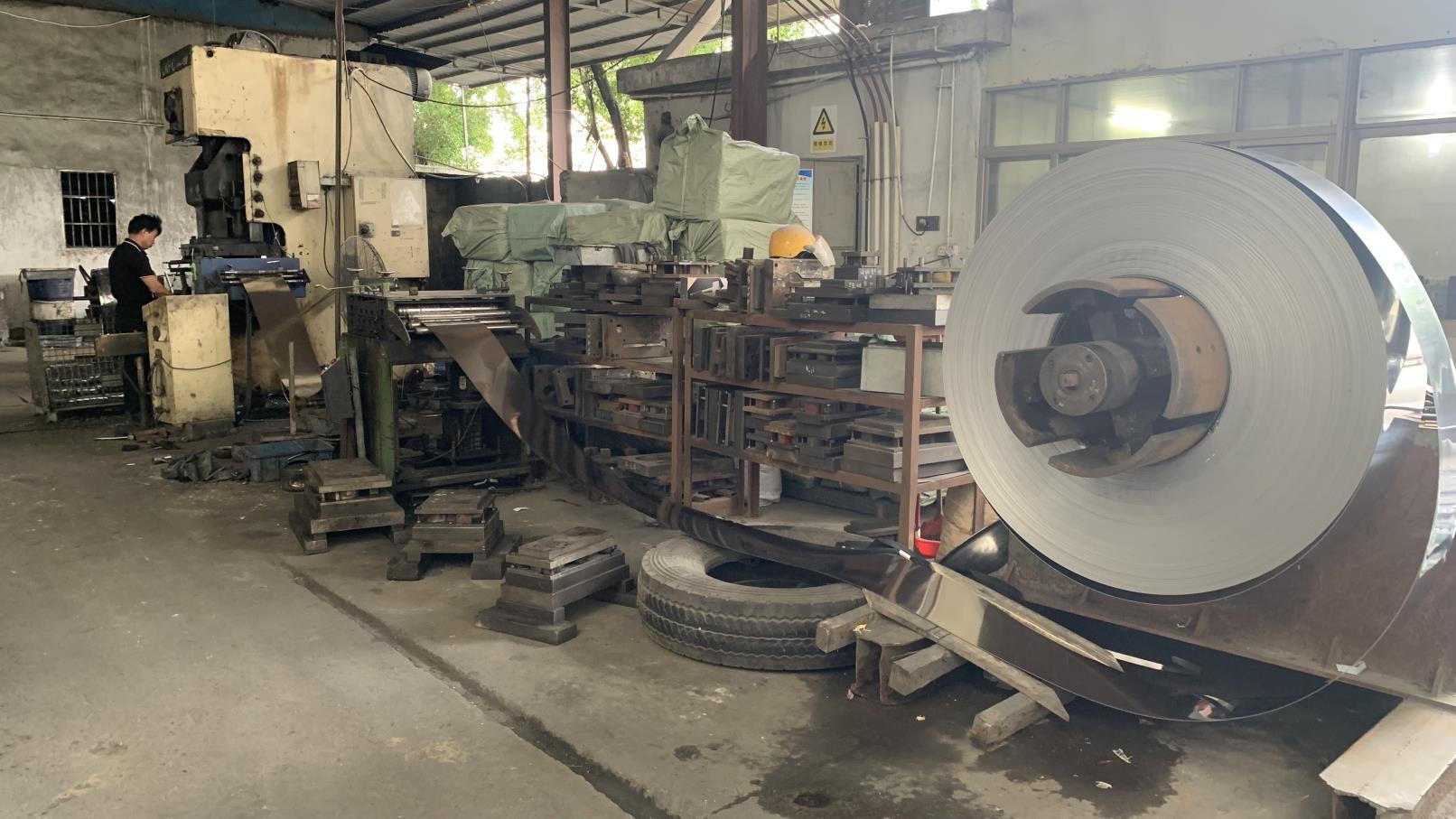
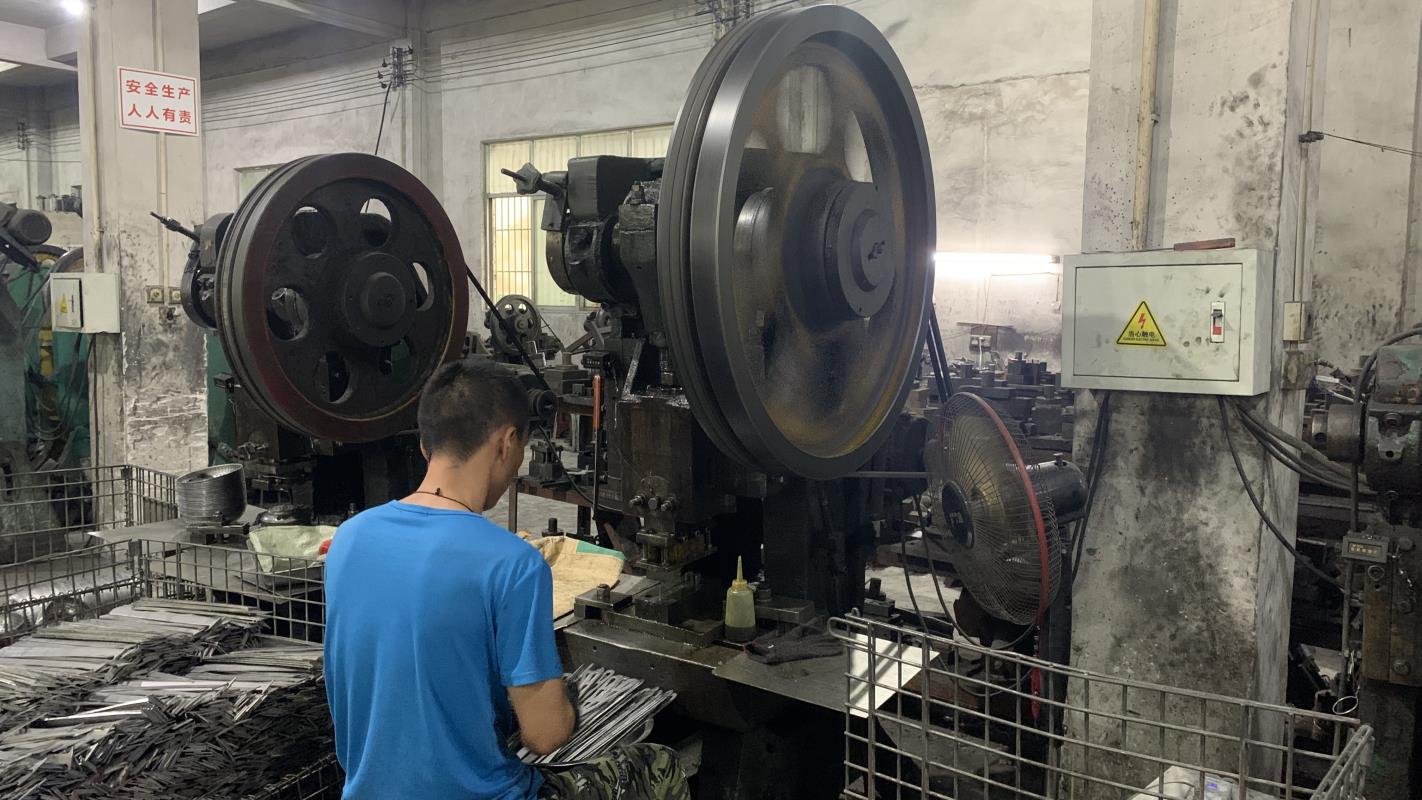
A detailed look at our vertically integrated production floor, demonstrating the rigorous quality control and specialized machinery utilized in our manufacturing process.
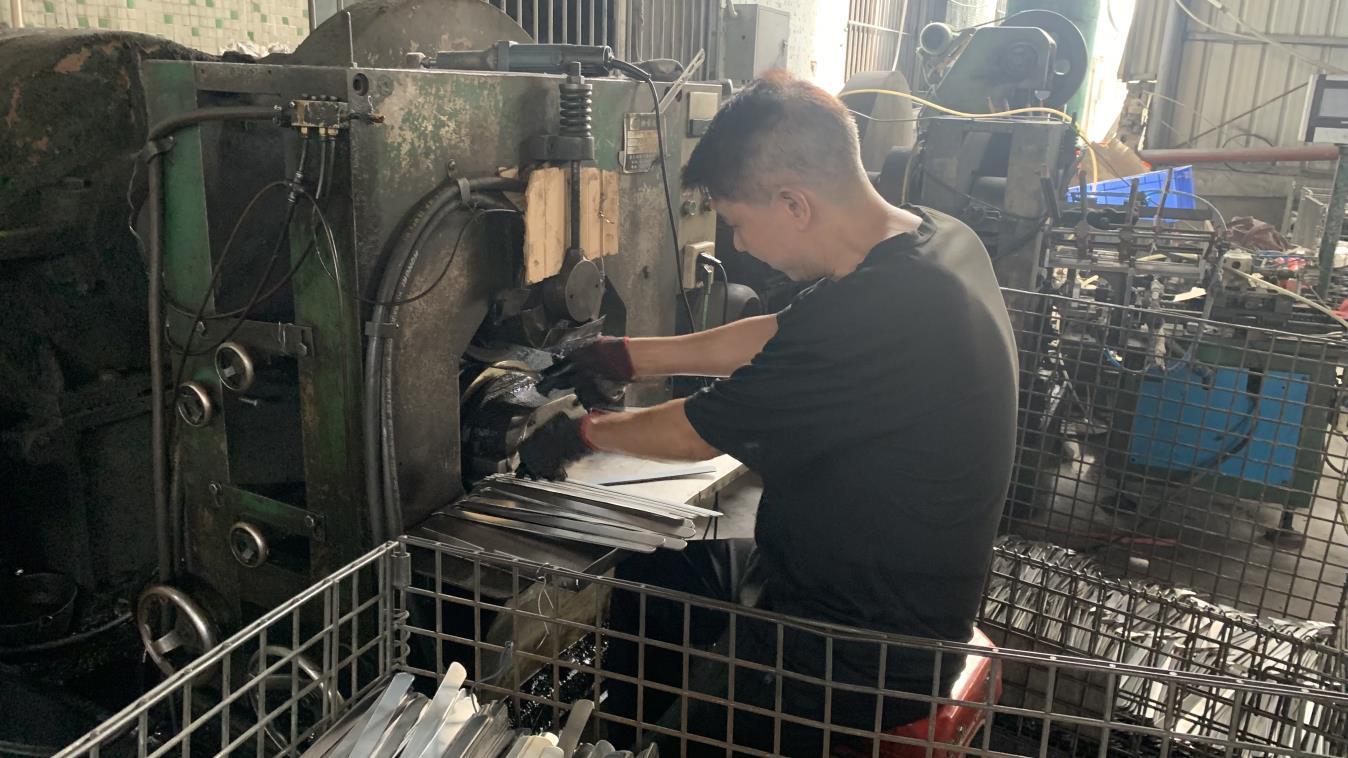
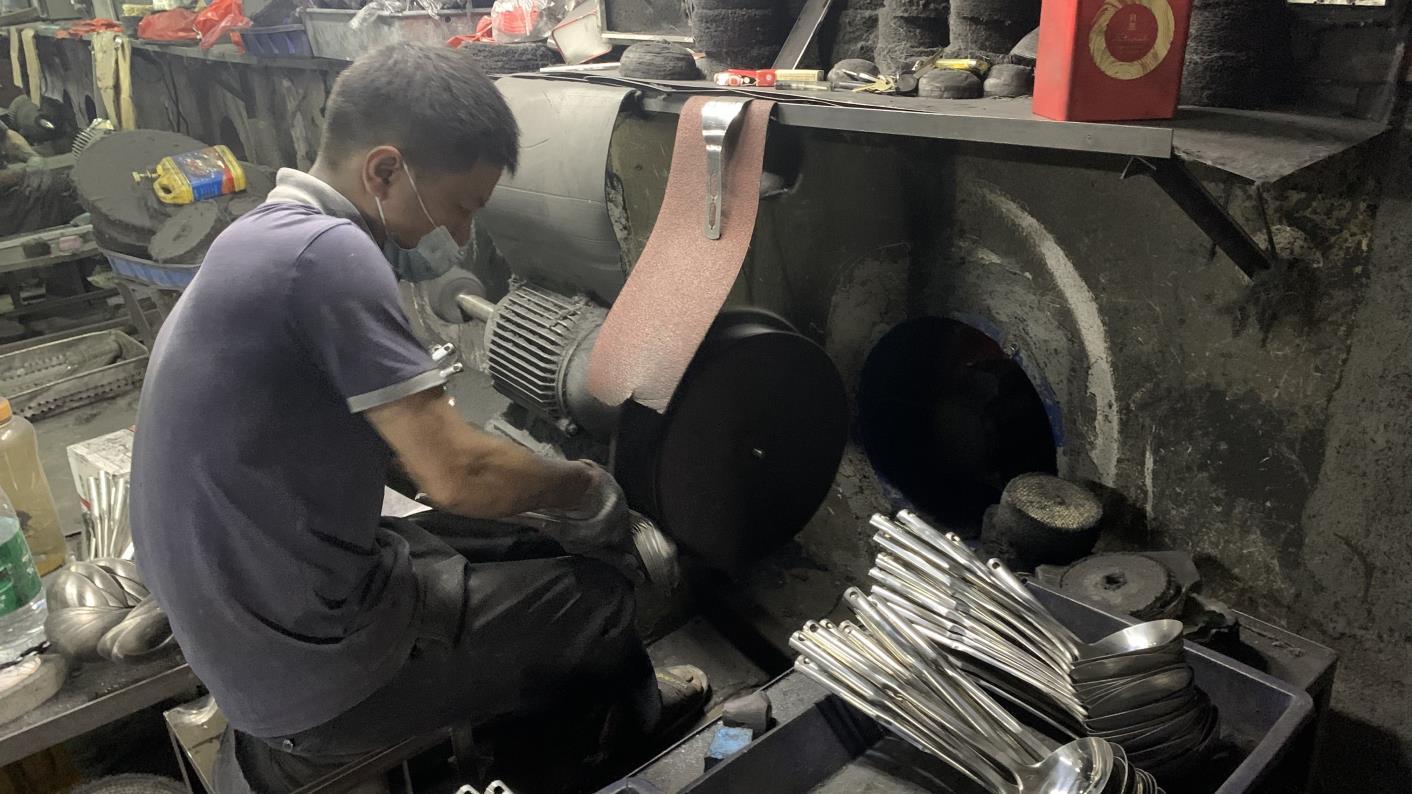
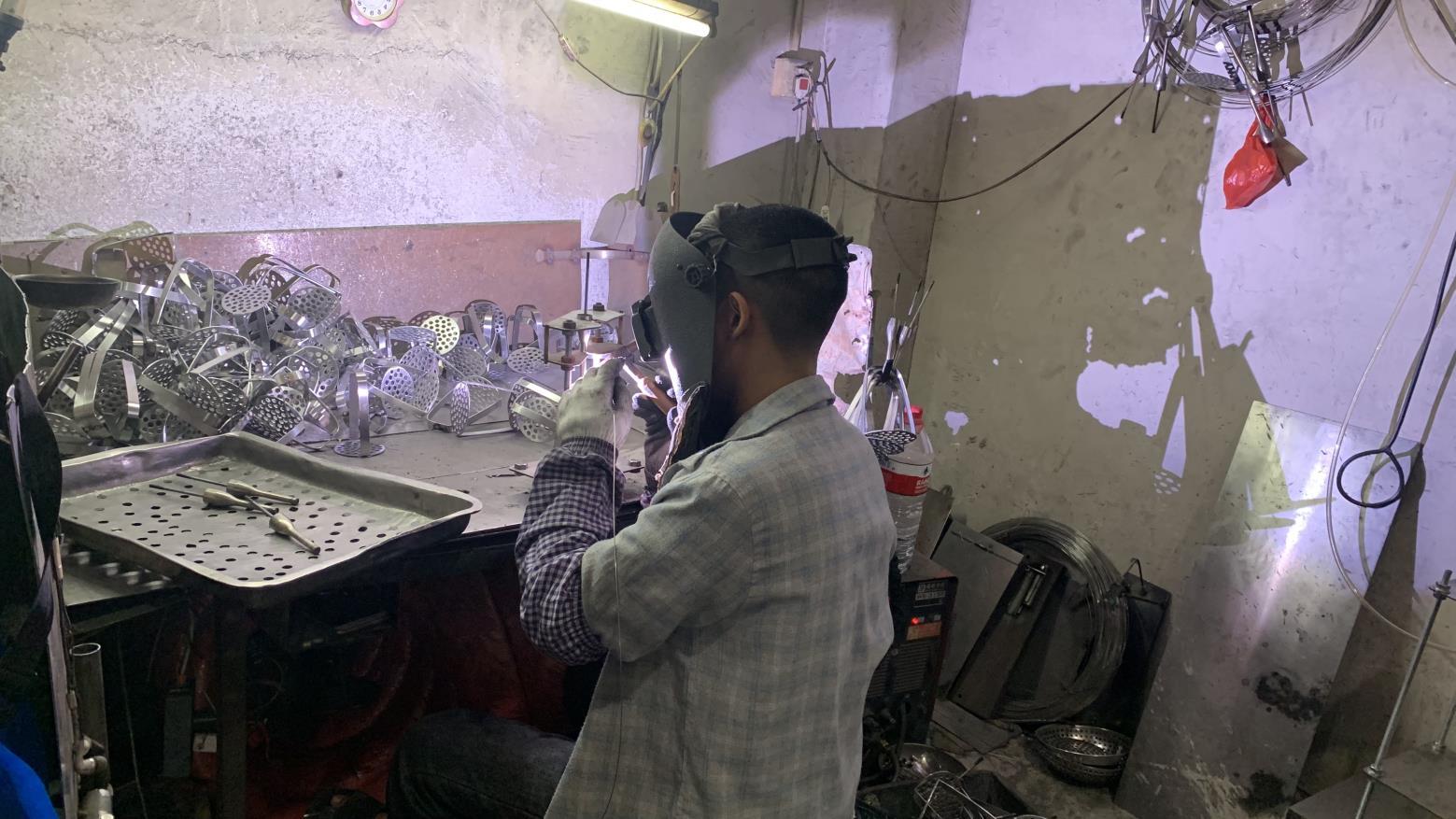
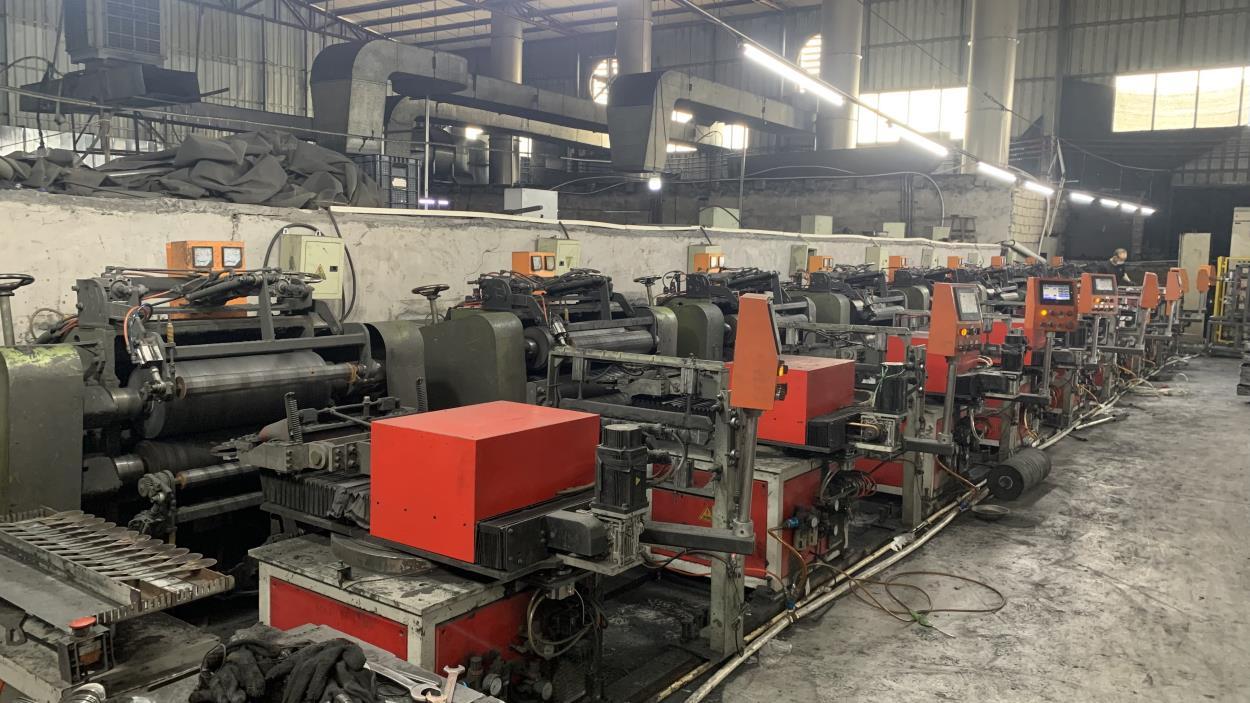
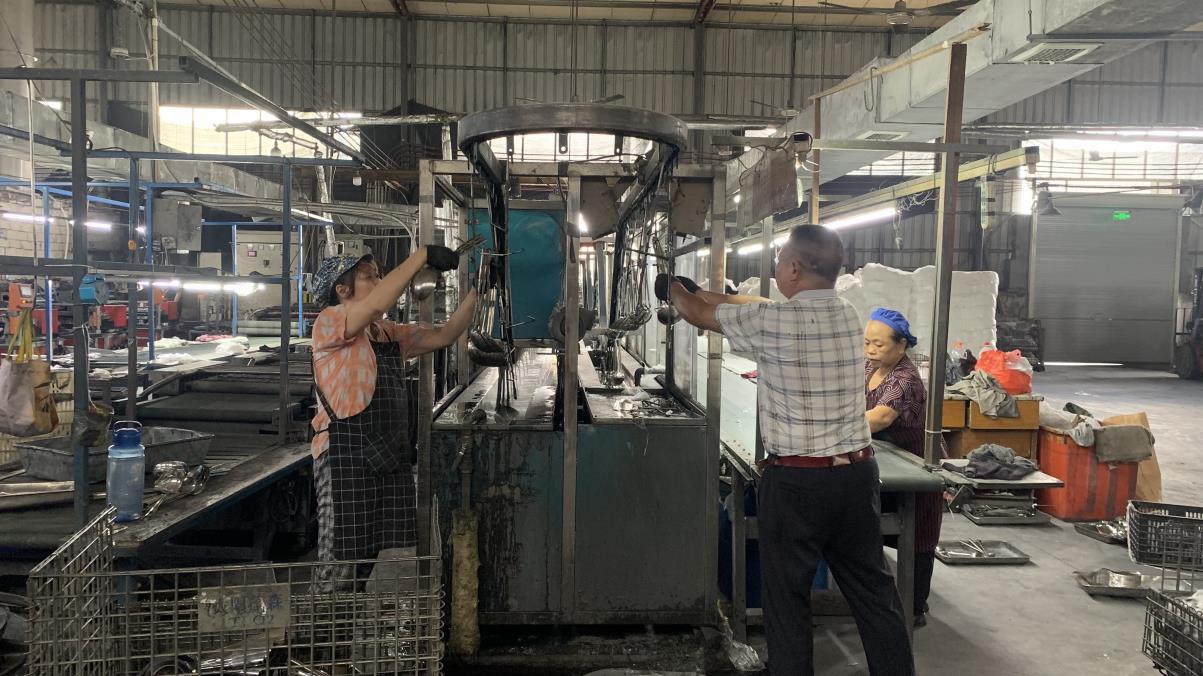
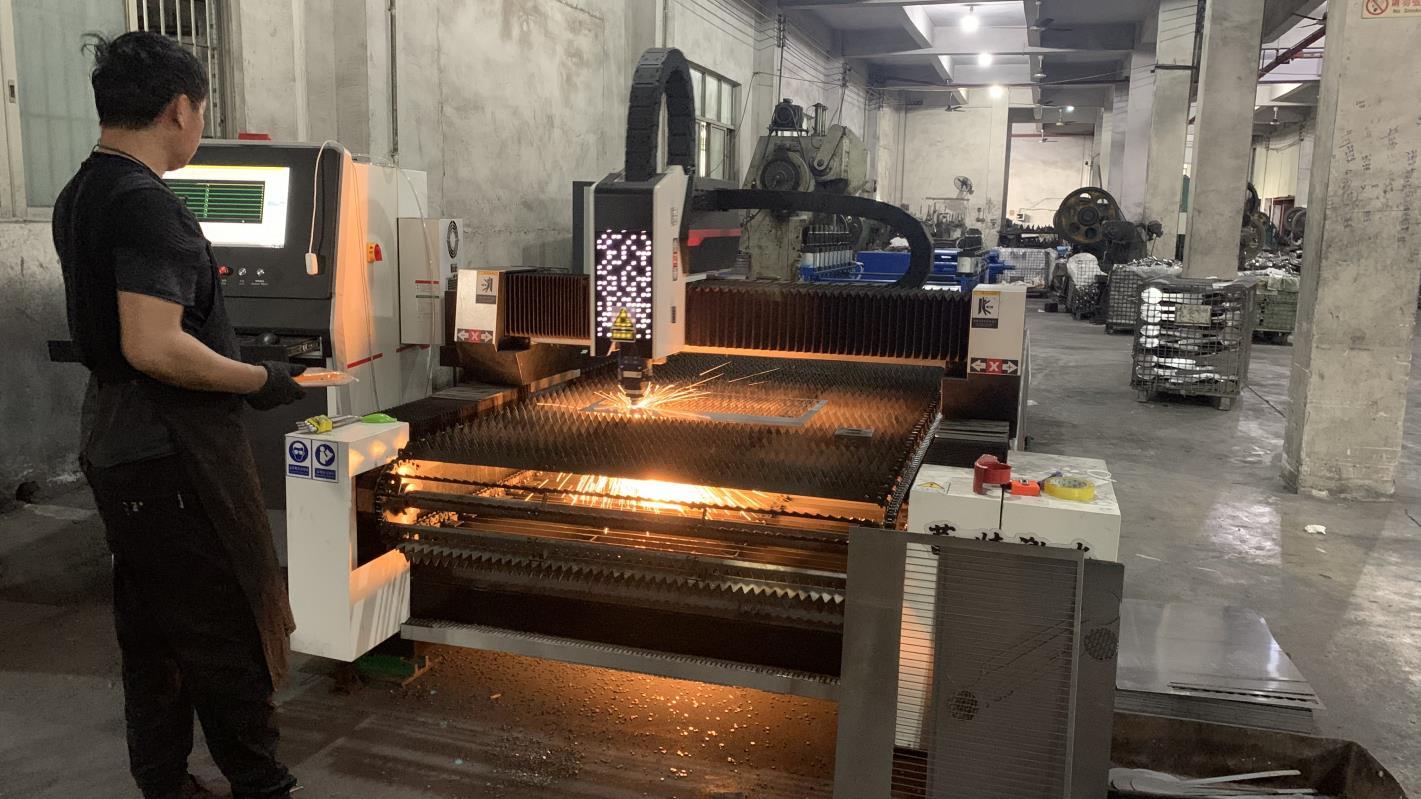
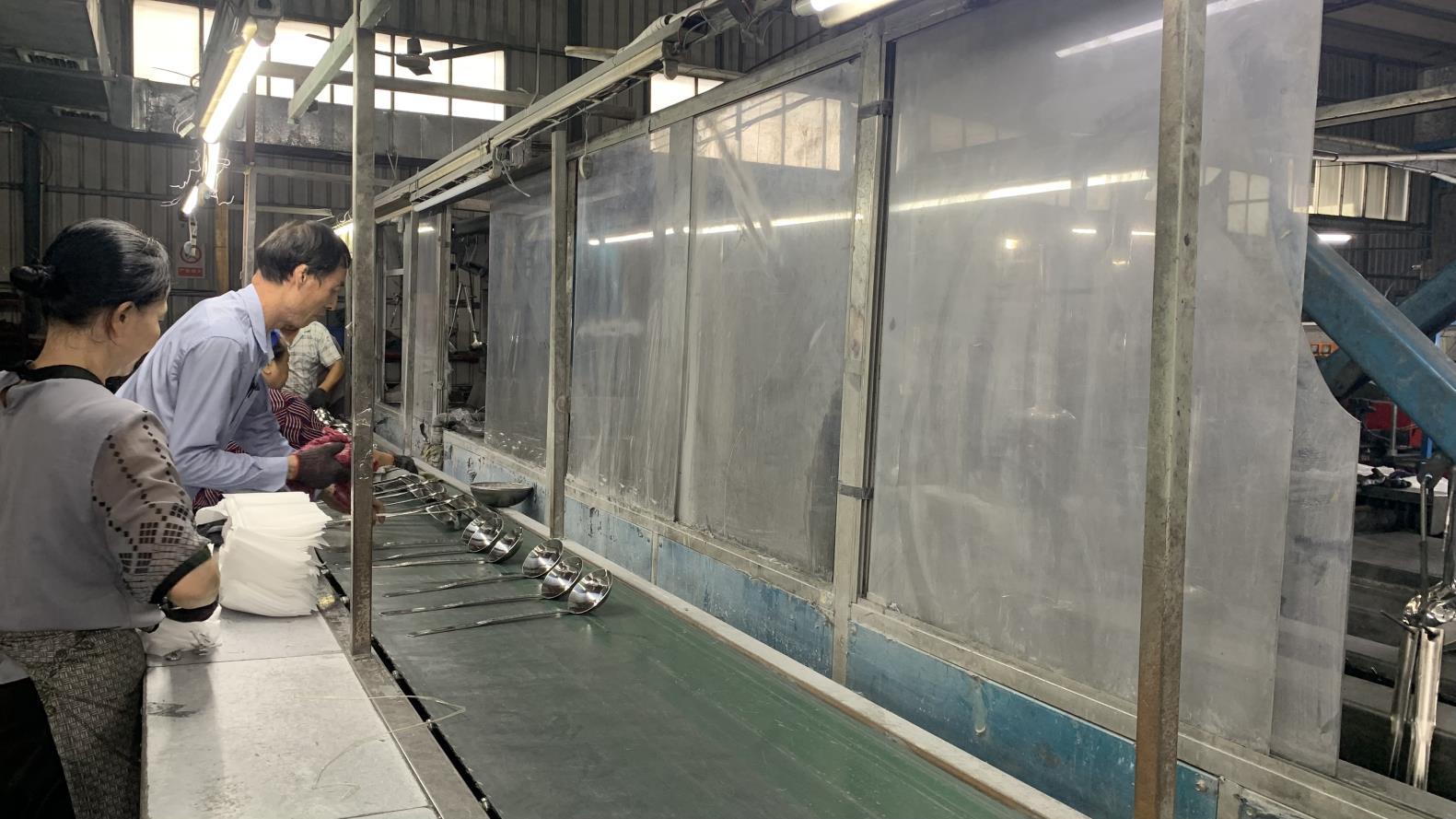
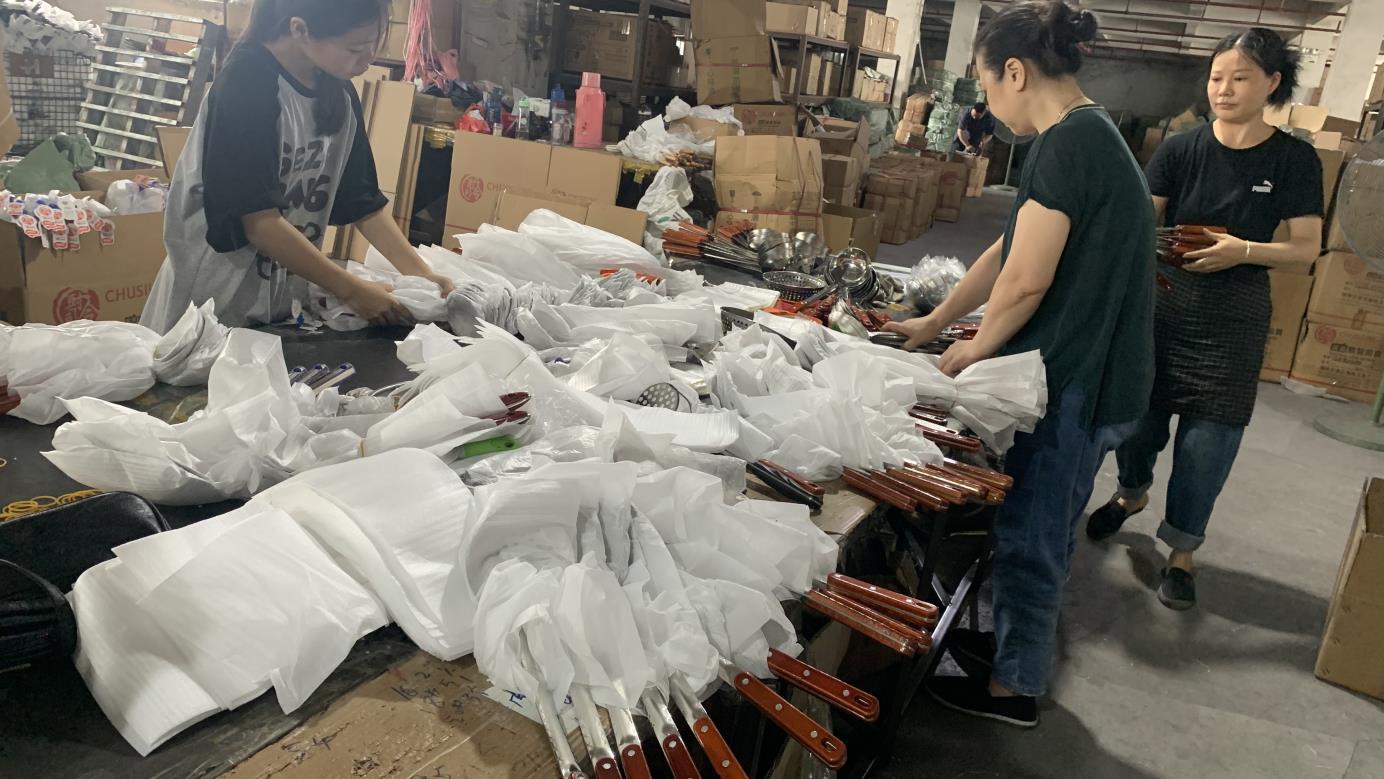
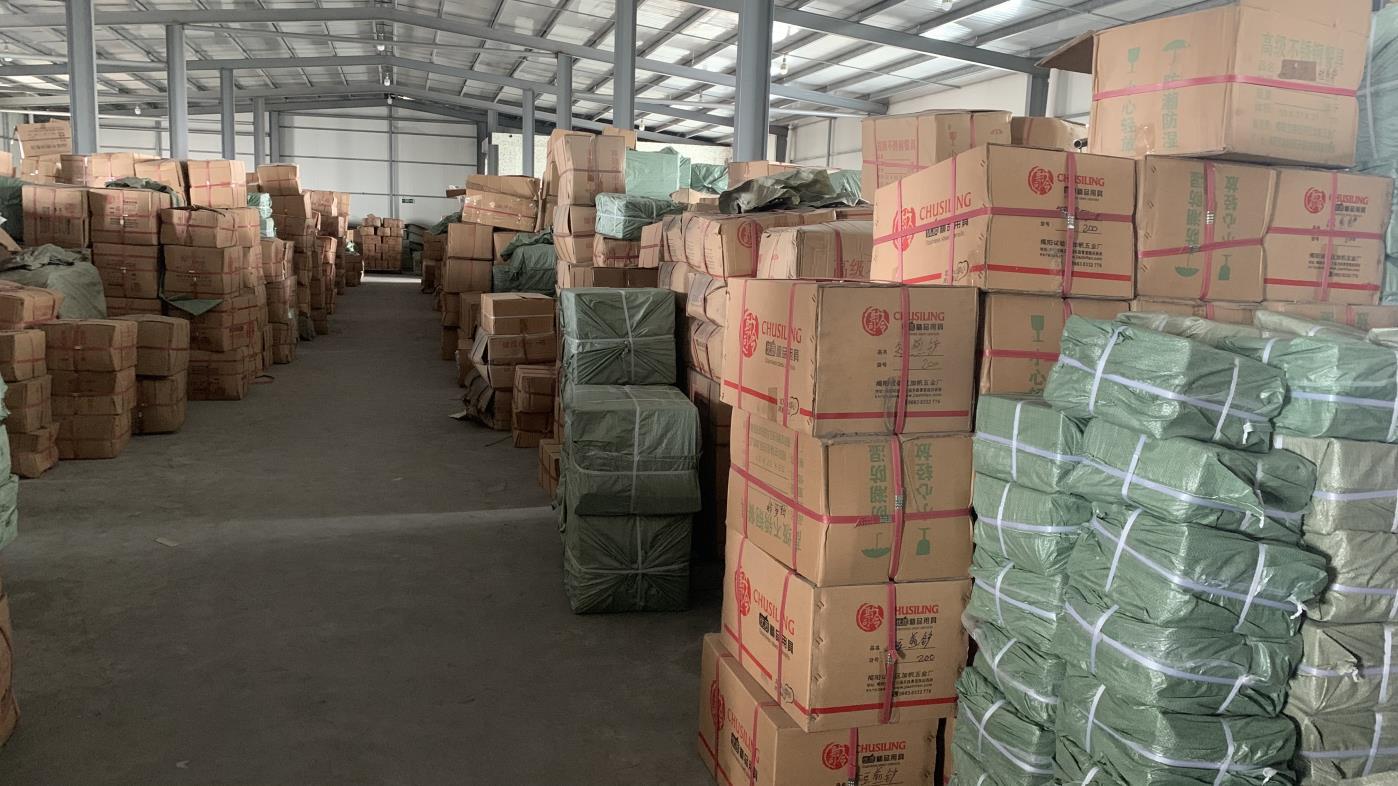
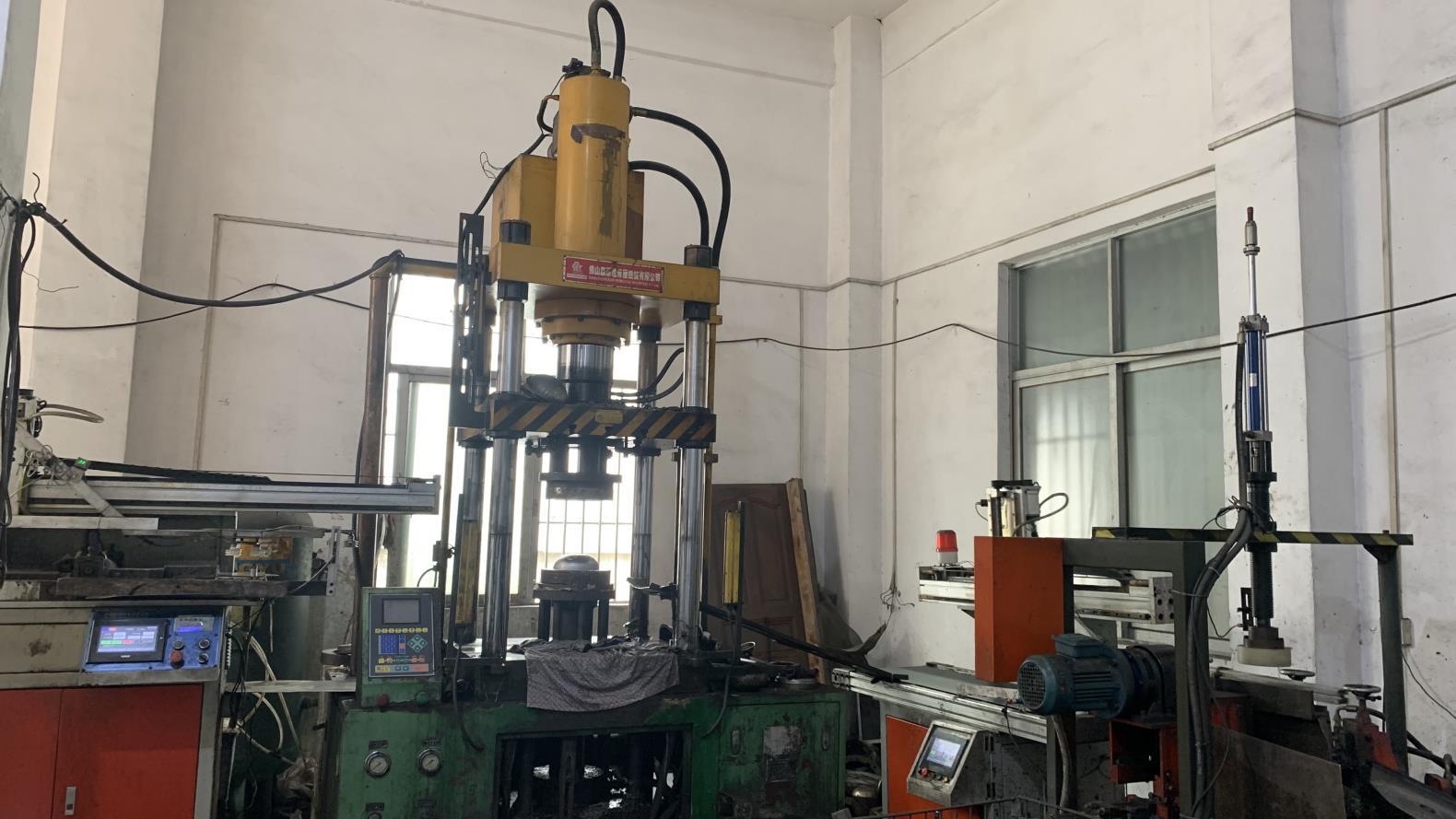
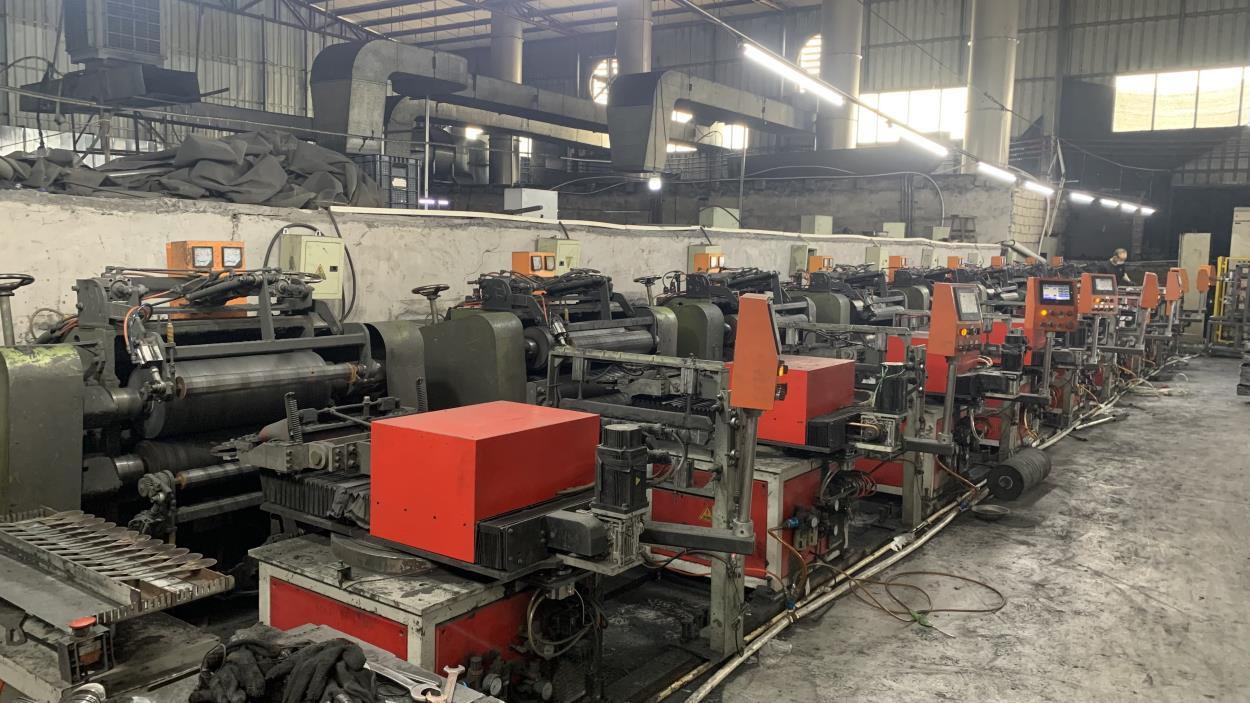
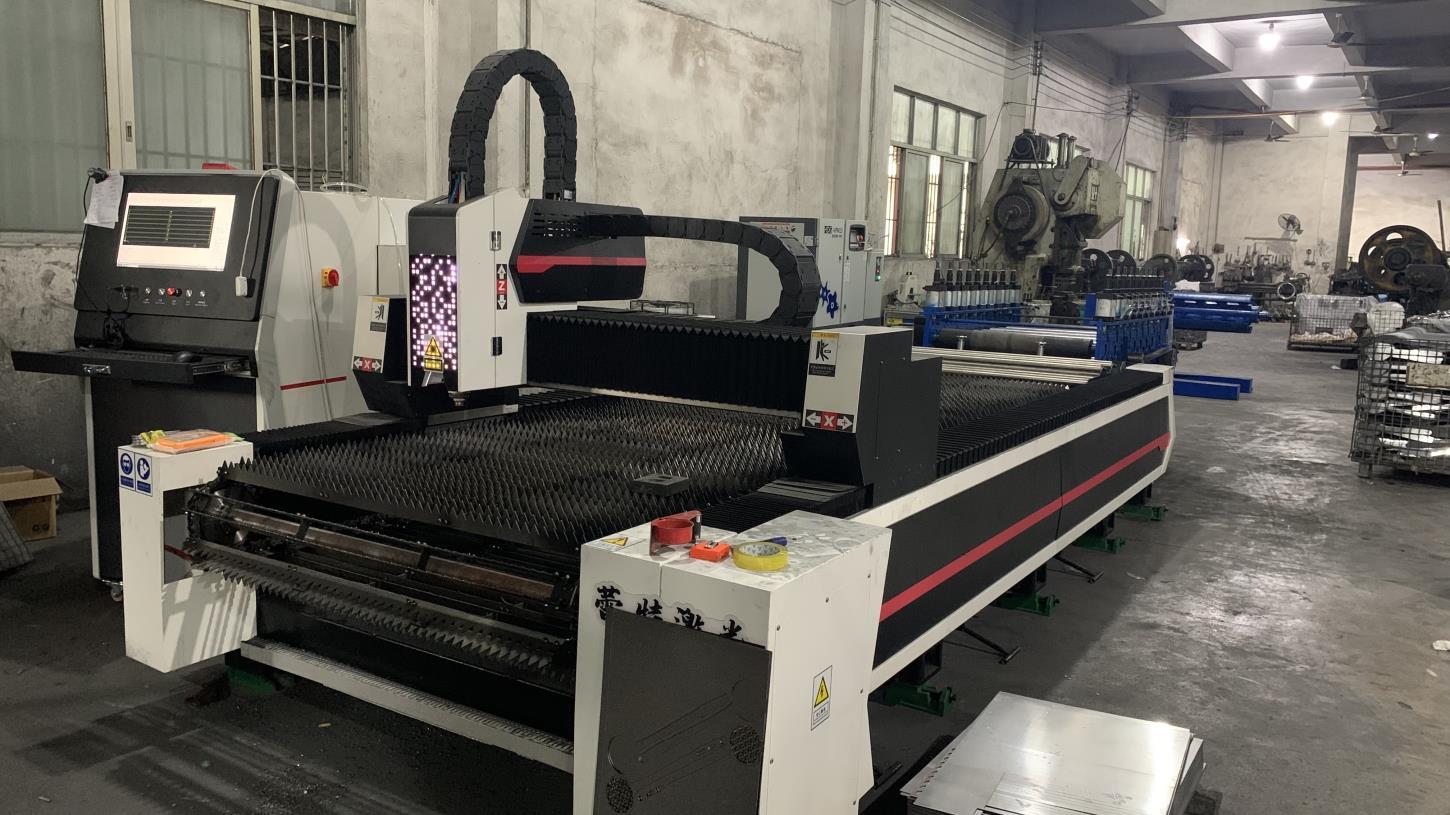
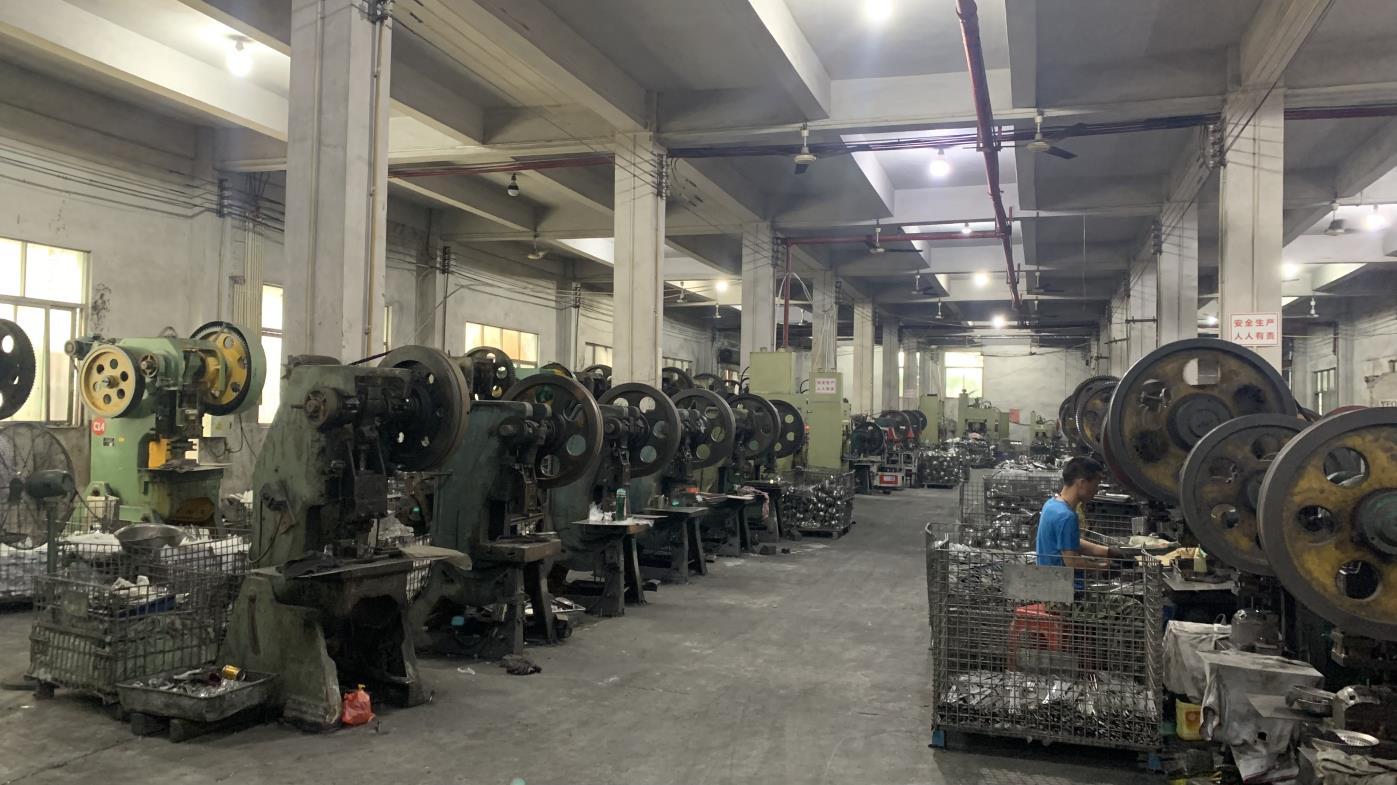
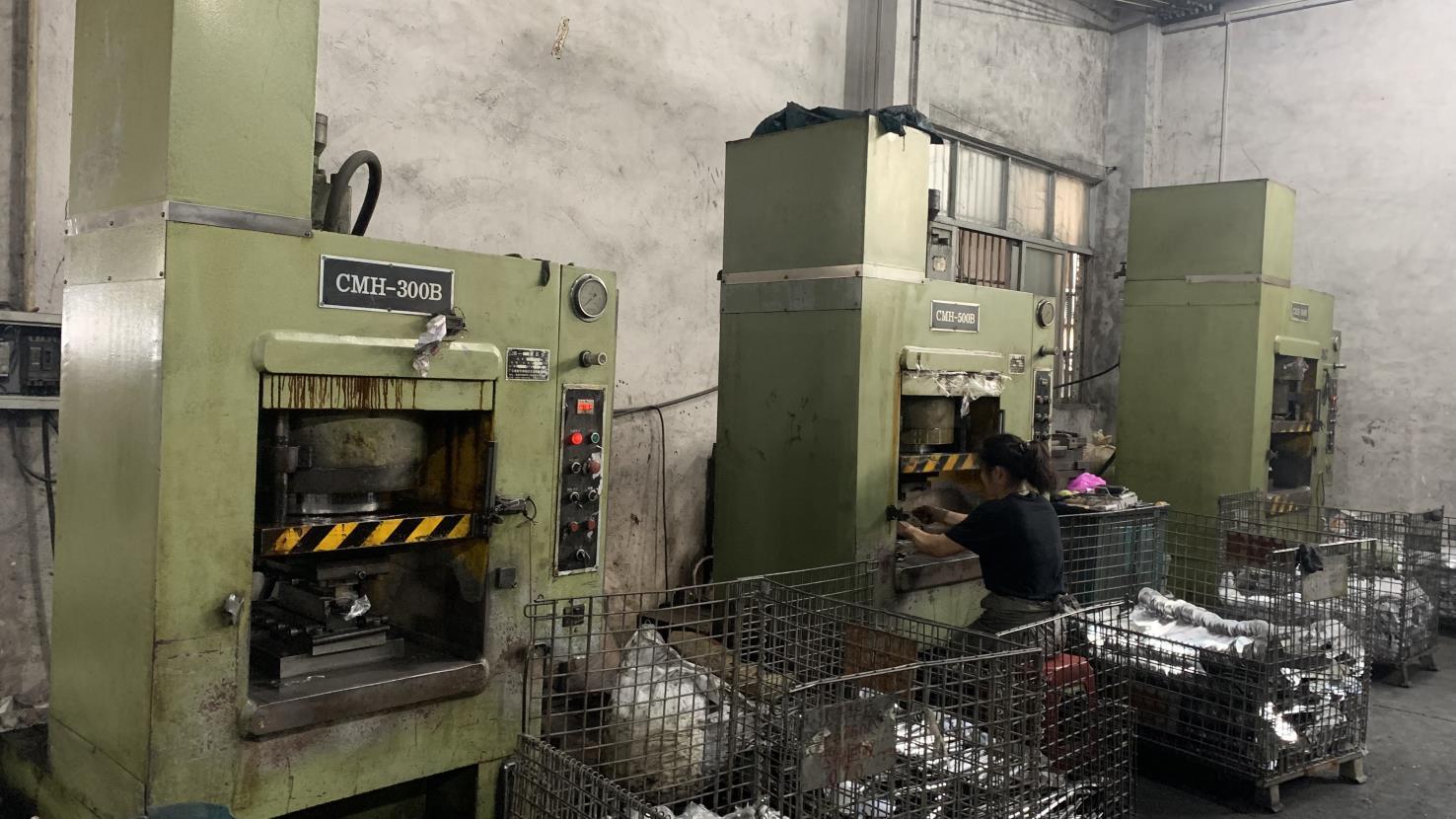
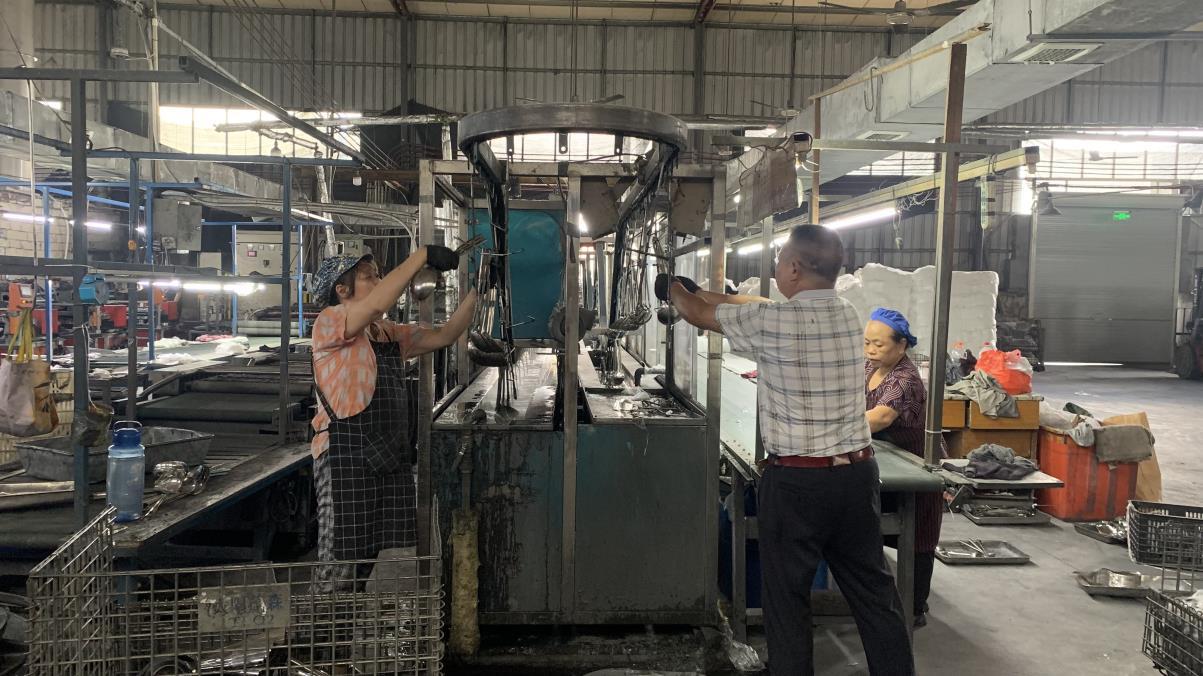
A major trend in modern commercial kitchens is the adoption of specialized protective tools tailored to distinct cooking styles. For instance, in the Western European market—particularly Germany and France—the demand centers on ergonomic multi-finger pot gloves that conform to DIN EN 420 hand protective regulations. In contrast, East Asian commercial kitchens often prioritize high-friction, flat silicone pot holders that double as slip-resistant trivets during high-heat cooking operations.
From a technical standpoint, the materials division at Guangdong Fergus Kitchen has been tracking the development of several emerging material technologies:
Developing temperature-sensitive coatings that visually change color (e.g., from orange to bright warning red) when touching surfaces above 140°F (60°C). This gives workers an immediate visual safety warning in fast-paced commercial kitchens.
Moving away from petroleum-derived polymers, next-generation research is focusing on plant-derived silica minerals. This transition aims to reduce carbon emissions during manufacturing while maintaining durability up to 480°F.
Traditional needle stitching leaves microscopic holes where steam or hot liquids can seep through, causing burn injuries. Ultrasonic welding fuses textile fibers and polymer membranes, creating a completely waterproof barrier against boiling grease, steam, and hot water.
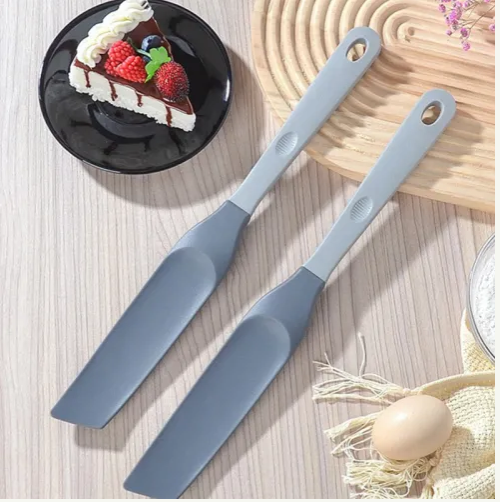
Our quality management system covers all stages, starting from raw material arrivals to final packaging inspections. Our testing routines are designed to simulate years of heavy use:
Professional sourcing answers addressing global safety standards, materials, and custom manufacturing options.
Explore our extended industrial distribution products, custom catering supplies, and maintenance solutions.

 Fergus Kitchen