Deploying food-safe, energy-efficient plastic storage systems and commercial-grade modular cold rooms built to mitigate post-harvest crop losses and preserve seafood chains under Sudan's hyper-arid environments.
Analyzing critical supply chain challenges, thermal engineering prerequisites, and commercial opportunities across Sub-Saharan agricultural and marine sectors.
Sudan presents a unique geopolitical and ecological environment for post-harvest management and bulk food storage. Stretching across tropical dry climates and bordered by the Red Sea, the country faces significant heat indexes—ambient summer temperatures in agrarian clusters like Kassala, Al Jazirah, and the capital Khartoum frequently exceed 45°C. Without robust modern warehousing and rapid-chilling infrastructure, post-harvest losses in staples, vegetables, and exportable commodities can reach up to 40%.
As the nation transitions toward structured agricultural optimization, domestic factories, import hubs, and cooperative distribution centers are modernizing their storage operations. Investing in reliable thermal barrier systems (insulated PU panels) and standardized heavy-duty food-grade plastic containers has evolved from a value-added luxury to a operational survival mechanism. This transition protects national food security and elevates the market value of vital cash crops and livestock exports.
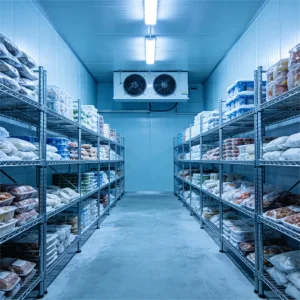
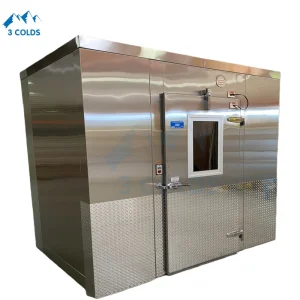
The Sudanese market's cold storage needs are segmented into three primary sectors: Horticulture (onions, mangoes, citrus), Seafood (Red Sea shrimp and finfish), and Livestock/Poultry. In the Nile Valley regions, localized vegetable-packing centers rely heavily on walk-in cold rooms to extract field heat immediately post-harvest. Meanwhile, Port Sudan's marine terminals require heavy-duty industrial blast freezers maintaining stable -18°C to -25°C temperatures to sustain strict export protocols for European, Middle Eastern, and Asian destinations.
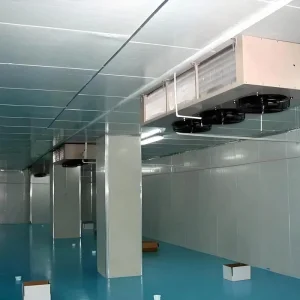
In standard food-storage configurations, refrigeration units operate with standard condensers rated for 32°C ambient limits. For Sudan, system designs must incorporate oversized condensers, liquid sub-coolers, and high-efficiency fan motors. This ensures consistent thermal performance even when outdoor ambient pressures climb dramatically, mitigating compressor thermal overload failures.
Engineered solutions designed to bypass grid instability while maximizing performance under high-ambient thermal stress.
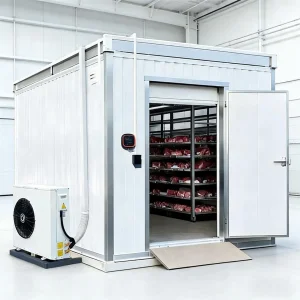
Sudan’s regional power grids are prone to load shedding and voltage instability. For remote agricultural zones, our factory-engineered cold rooms support integration with PV solar microgrids. By utilizing variable-frequency drive (VFD) scroll compressors, systems can operate on solar energy during peak daylight hours and automatically switch to backup generators or localized thermal energy storage (phase-change materials) at night. This ensures continuous preservation and reduces diesel fuel consumption by up to 45%.
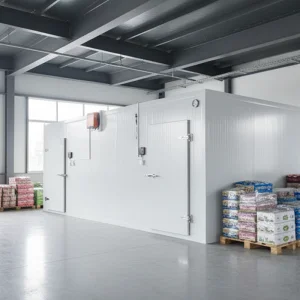
Every cold room configuration for the Sudanese market utilizes continuous high-pressure injection Polyurethane sandwich panels. Foamed with environmentally friendly cyclopentane, these panels achieve a density of 40-42 kg/m³. Equipped with eccentric cam-lock systems, they guarantee airtight joints, minimizing thermal leakage and drastically lowering daily operational utility costs.
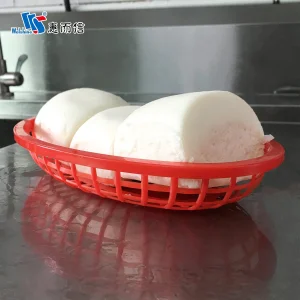
For urban bakeries and transport loops in Khartoum and Omdurman, plastic storage baskets must withstand persistent mechanical impacts and extreme UV radiation without embrittlement. Our specialized polypropylene (PP) plastic formulations include heat-stabilizers and UV-inhibitors, ensuring longevity in unconditioned trucks. The ventilated designs facilitate uniform airflow, keeping fresh bread and produce cool during long-distance transits.
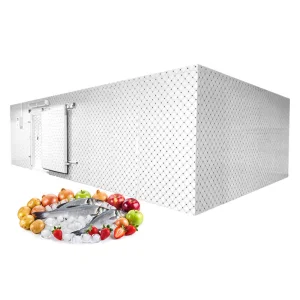
Fulfill diverse warehousing requirements with split-temperature partition systems. Large distribution centers can store fresh vegetables at +4°C to +8°C on one side, and freeze meats or seafood at -20°C on the other, utilizing a single modular envelope. Each zone features separate digital PLC monitoring interfaces, allowing operators to track temperature and humidity fluctuations remotely.
Engineered with heavy-duty structural frames and high-efficiency mechanical systems, these modular solutions adapt perfectly to harsh industrial conditions.

Establishing global standards in professional kitchenware, tableware, and storage manufacturing since 2000.
Founded in 2000, Guangdong Fergus Kitchen Co., Ltd. specializes in manufacturing high-quality kitchenware, tableware, and barbecue tools. Over the years, we have built a strong presence in markets across Europe and the United States, with a particular emphasis on the German market, known for its strict demands for top-quality products. By integrating advanced production machinery with rigid engineering standards, we cater to demanding environments globally, including the rapidly expanding cold storage and commercial logistics markets in Sudan and Sub-Saharan Africa.
We offer a diverse and extensive range of products, catering to the various procurement needs of our global customers. Our one-stop service ensures that clients can find everything they need, from industrial kitchen essentials and food handling systems to commercial storage accessories, all under one roof. Our commitment to versatility and customer satisfaction is central to our operations, ensuring that we can meet the specific needs of every customer, no matter where they are located.

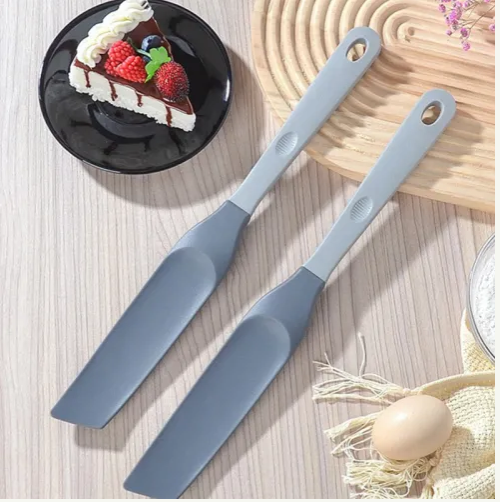
At Guangdong Fergus Kitchen Co., Ltd., we operate under the guiding principles of "credit, quality, pragmatism, and innovation." We are deeply committed to providing high-quality products and ensuring customer satisfaction through continuous improvement. Our goal is to stay ahead of market trends, constantly meet the evolving needs of our customers, and integrate their feedback into our product development process. We strive to enhance product technology and maintain high standards of production, design, and sales services.
Looking to the future, we aim to strengthen our position as a global leader in the kitchenware and commercial food storage industry. Our vision is to provide innovative, sustainable products while maintaining the highest standards of quality, ensuring that every product we manufacture exceeds our customers' expectations.
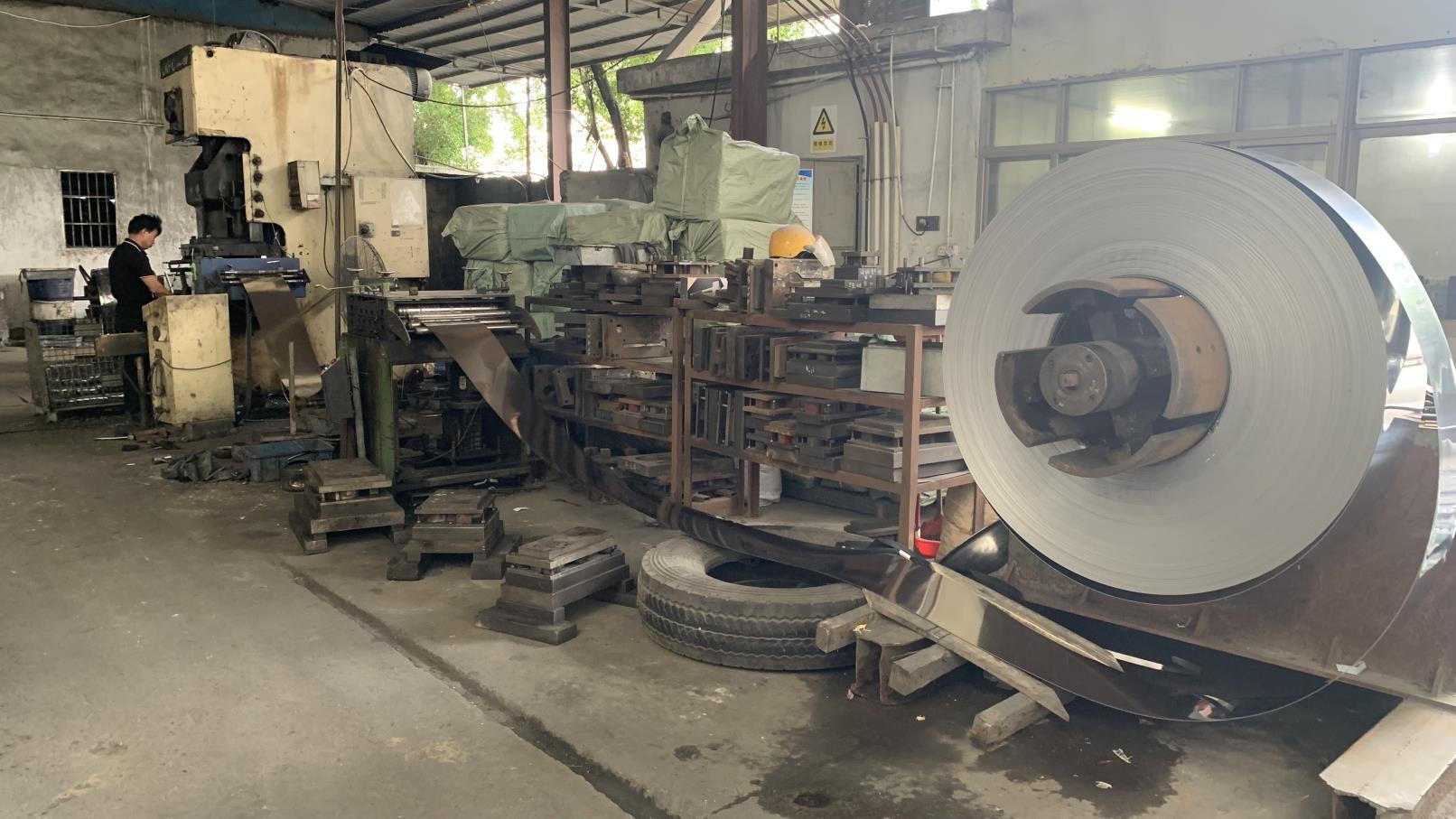
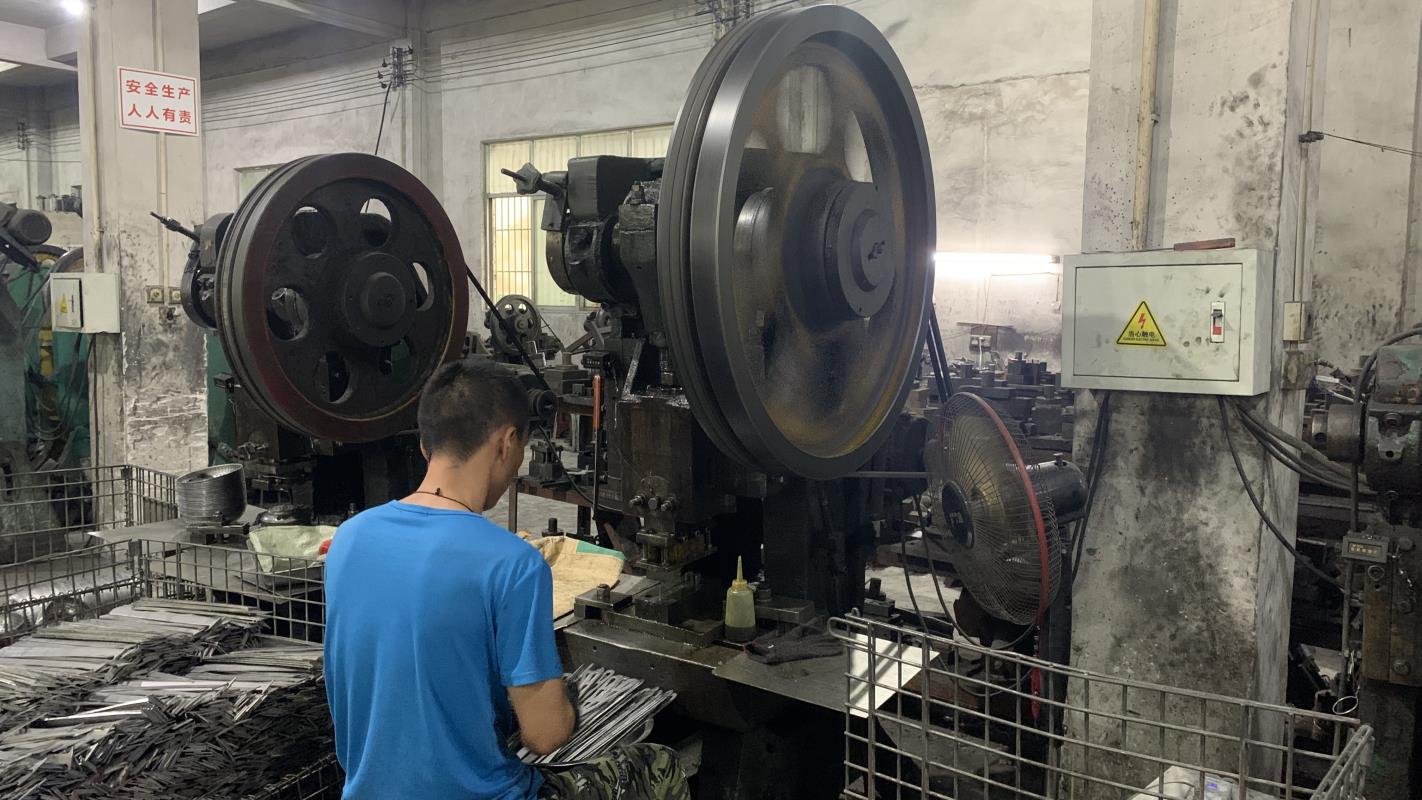
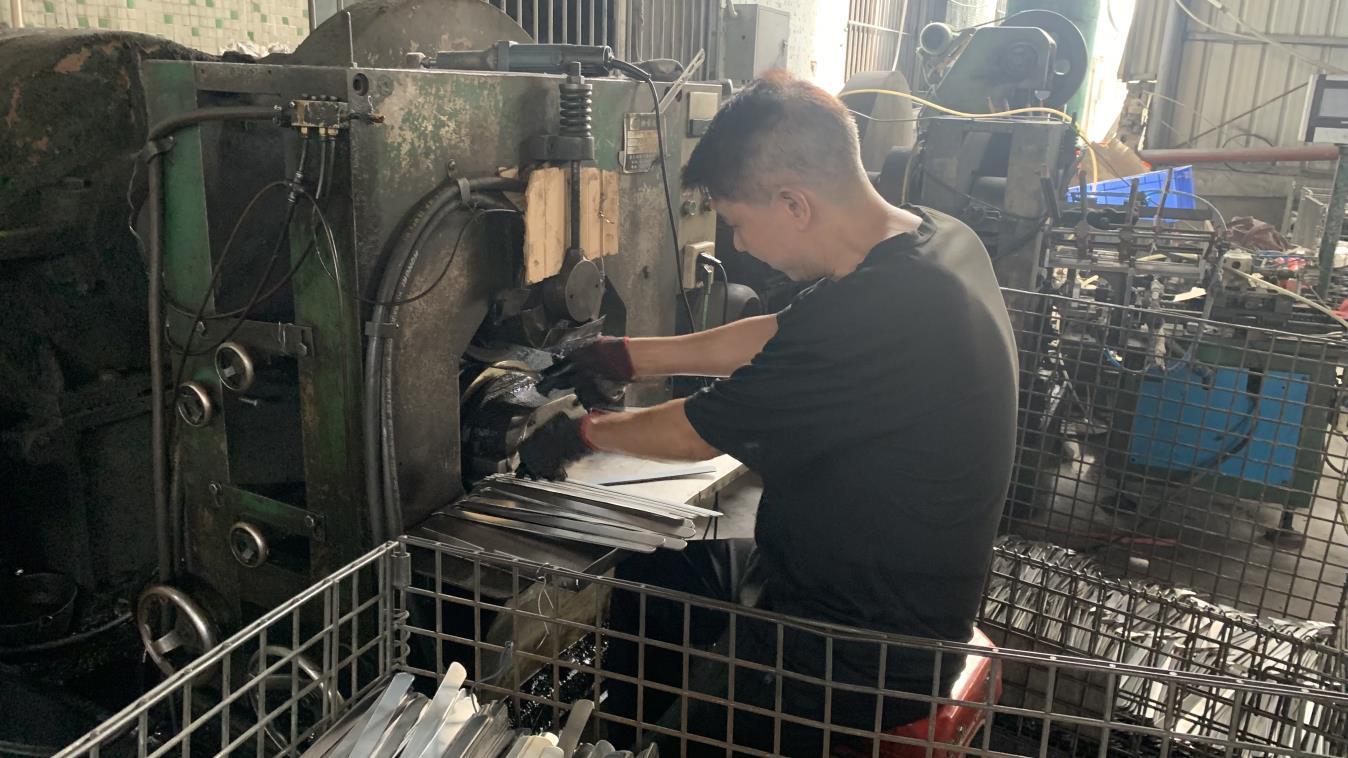
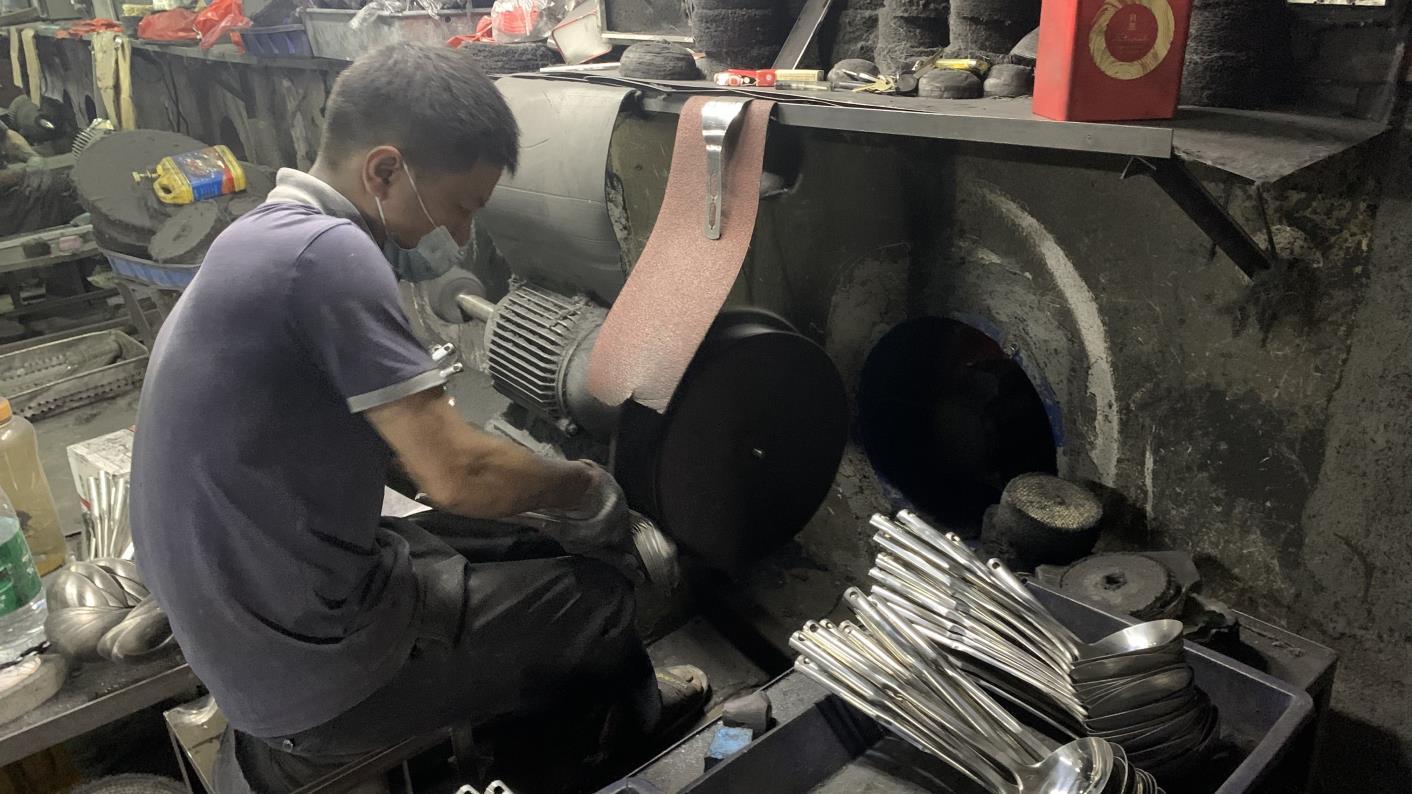
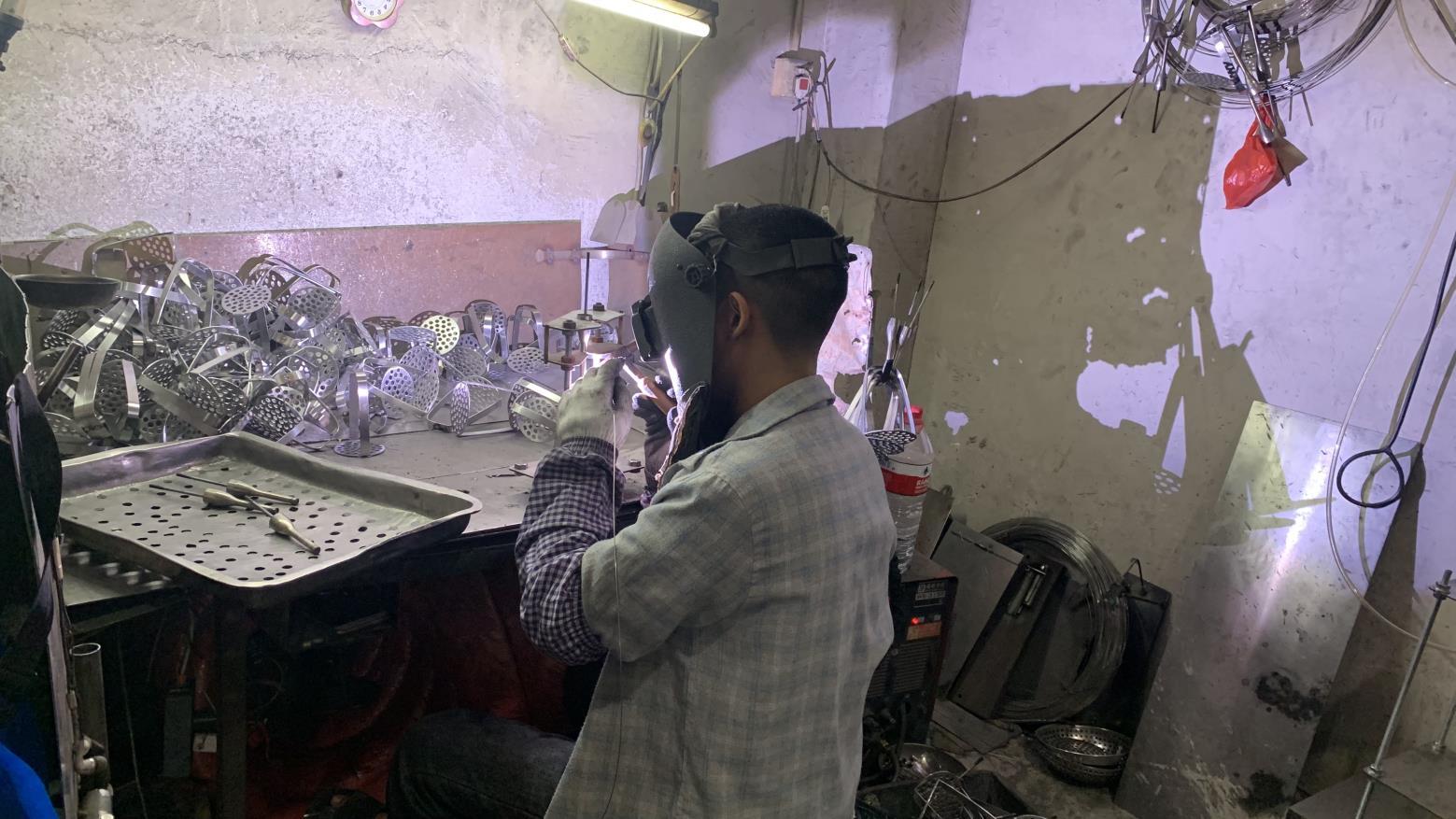
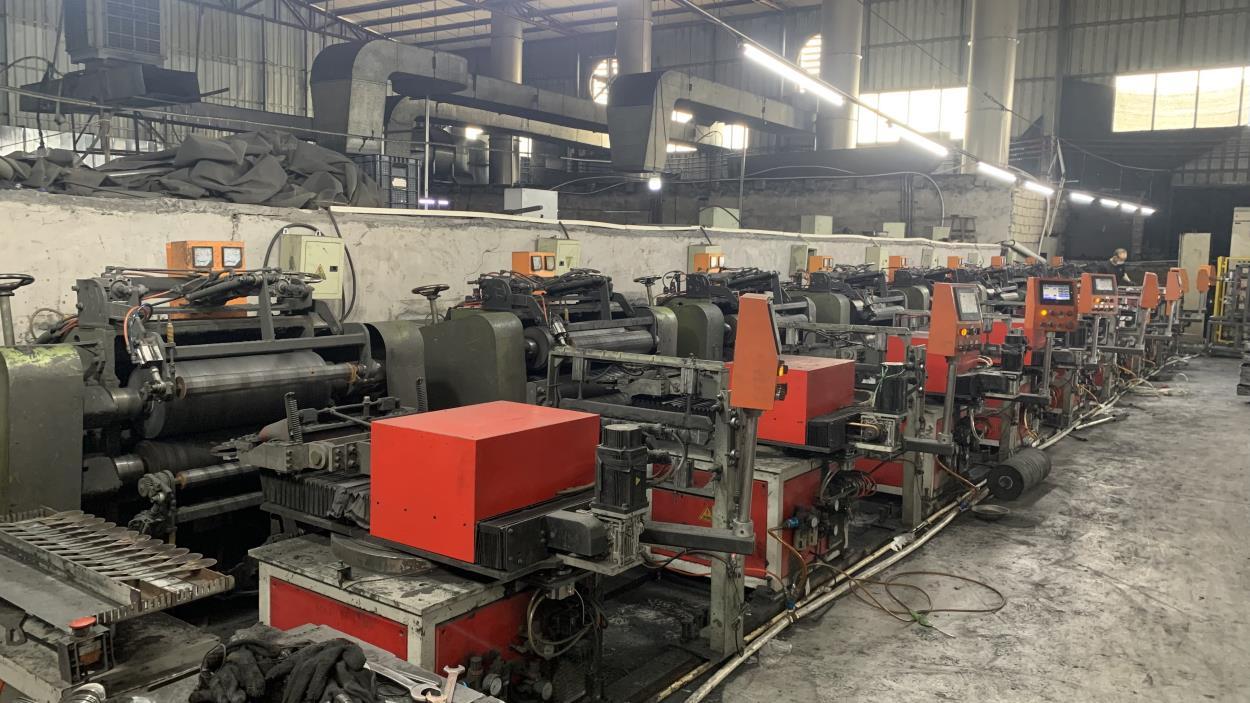
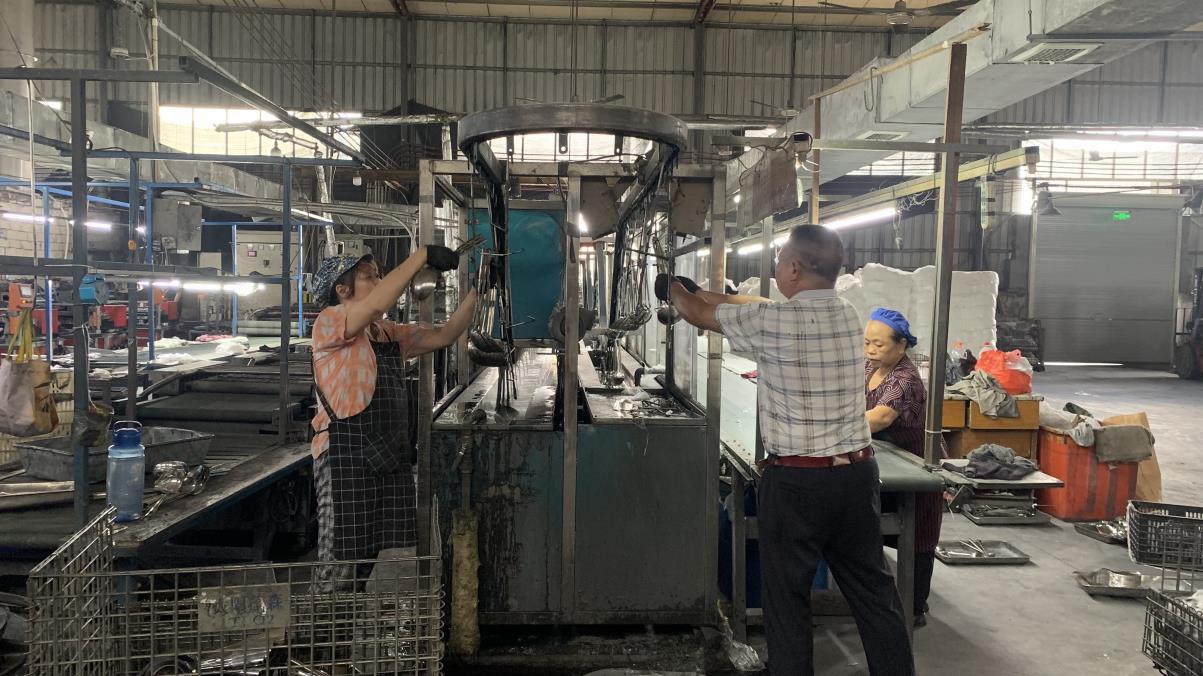
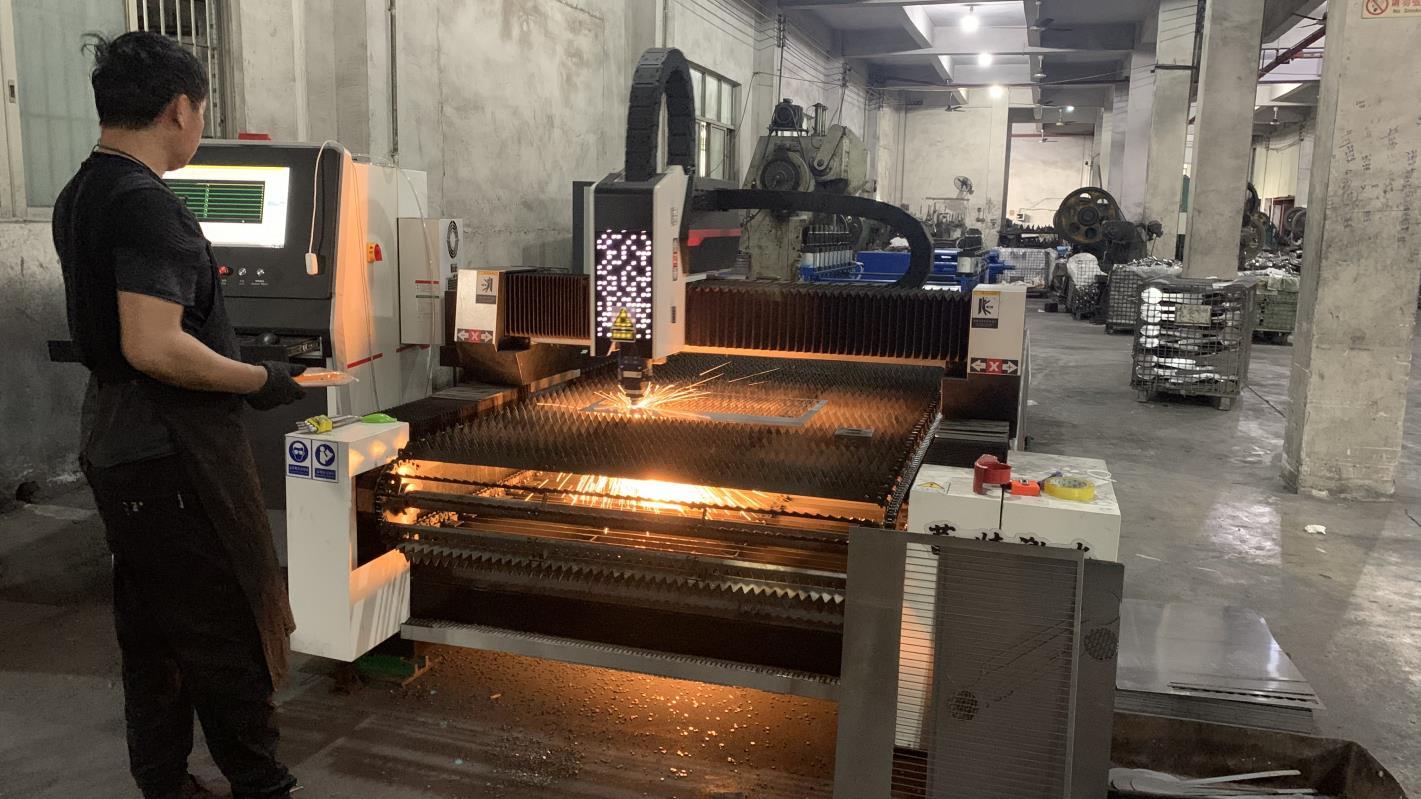
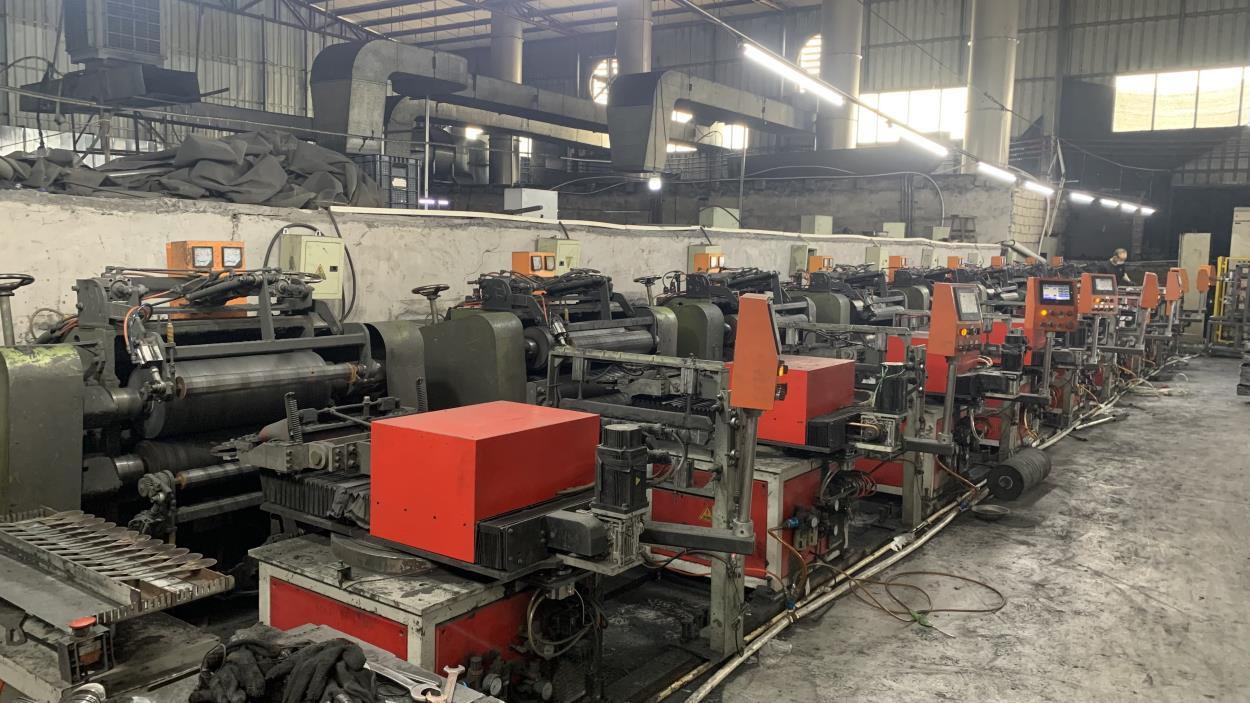
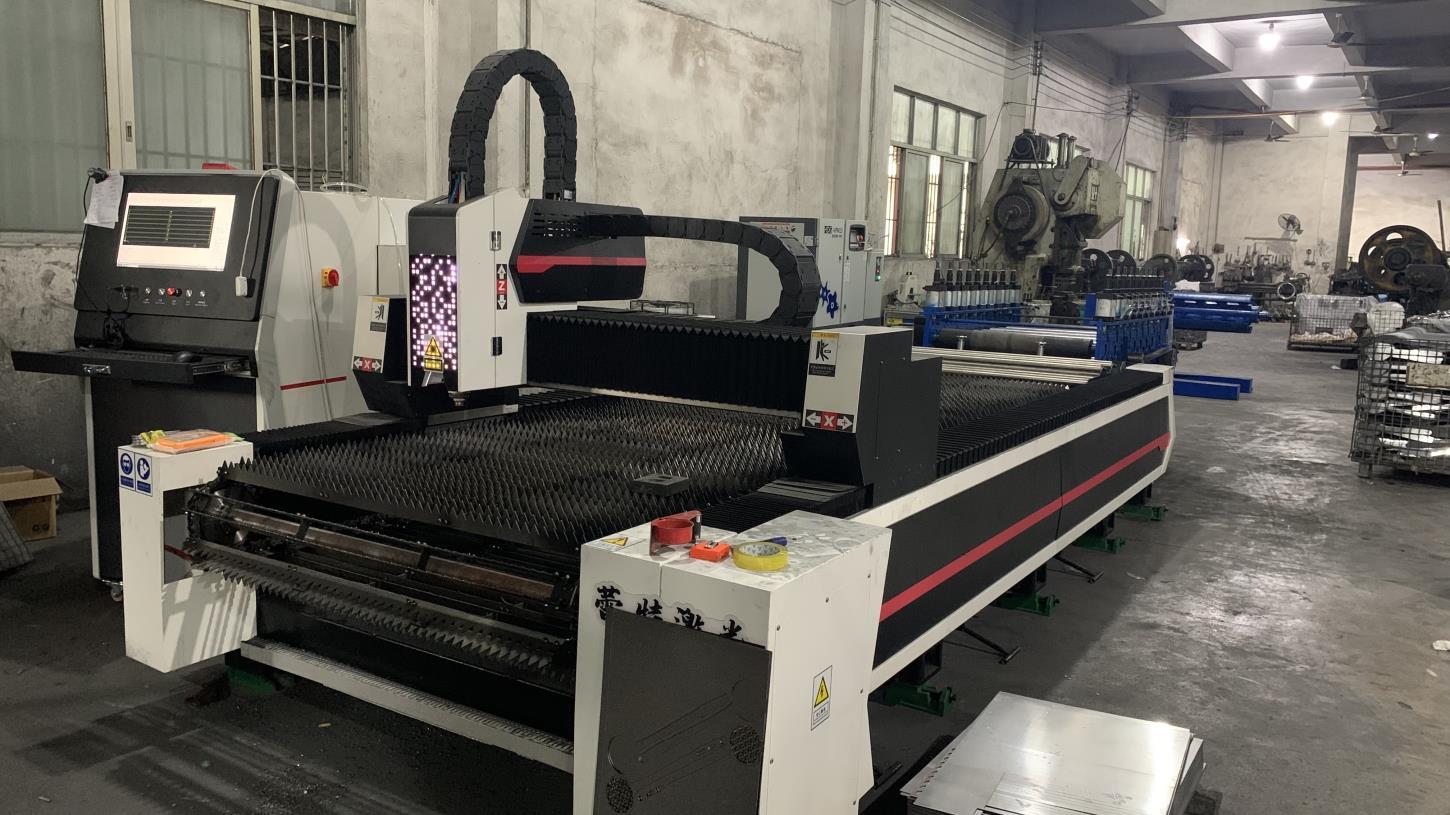
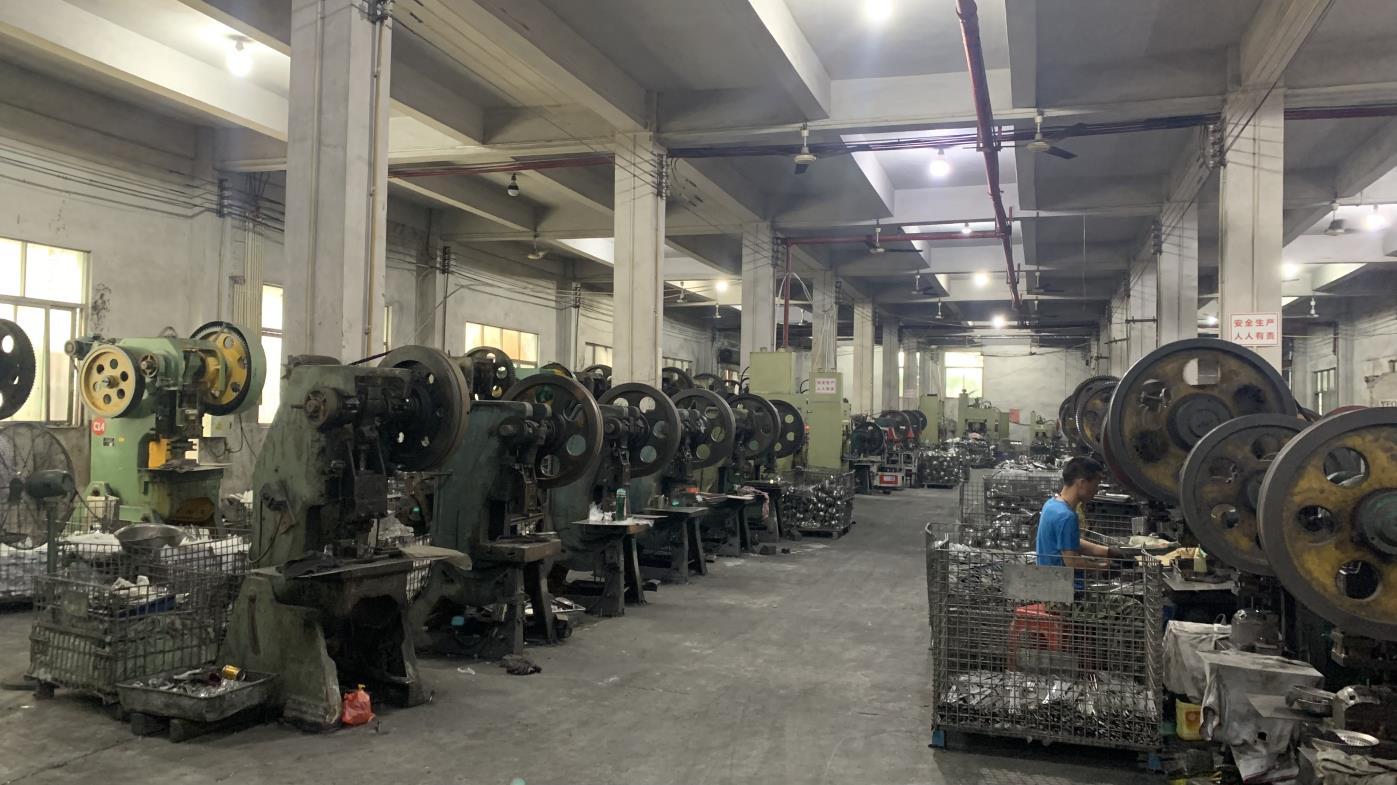
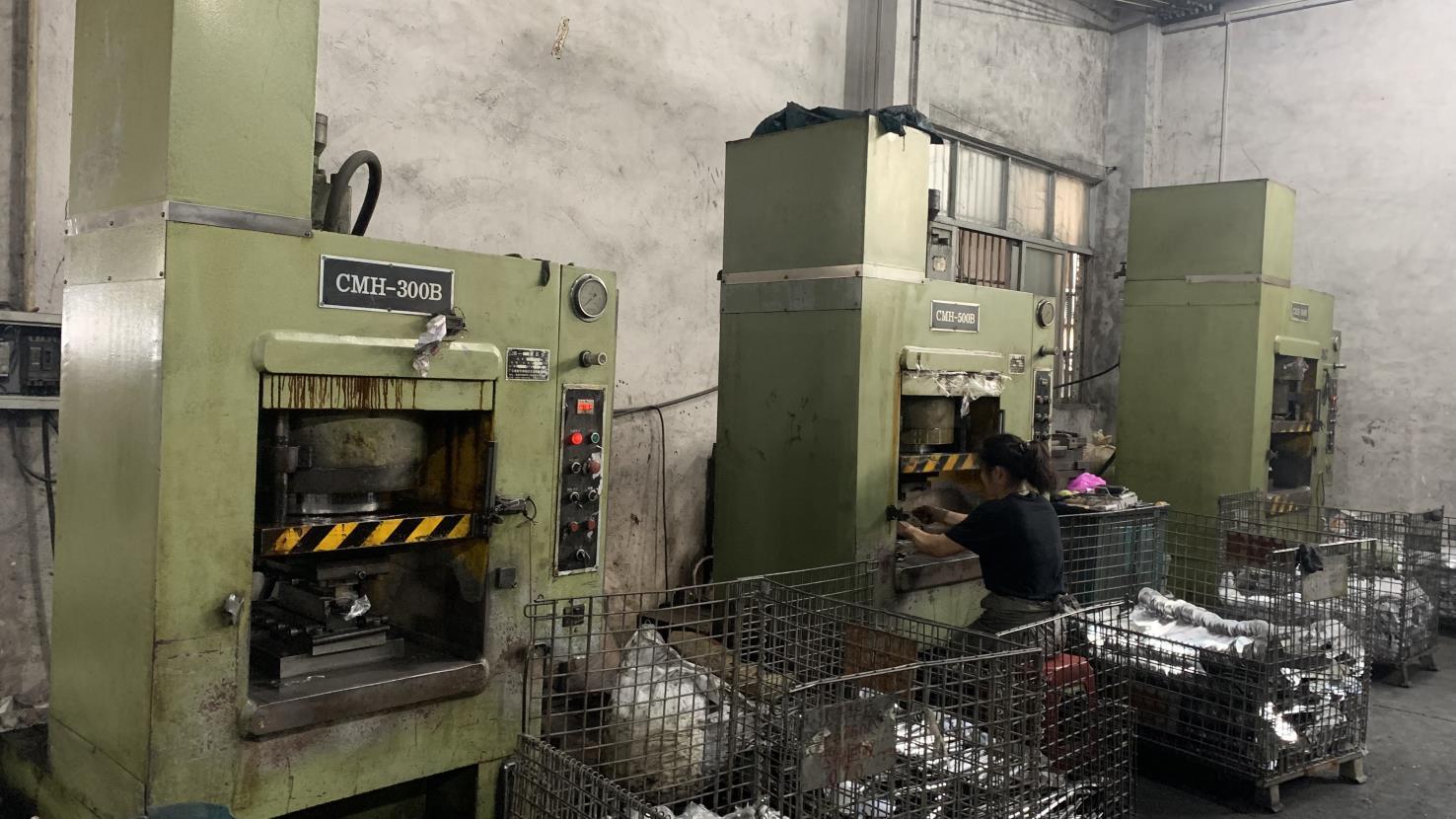
Witness the raw material processing, robotic forming, precision finishing, and packing stages executed inside our integrated Guangdong factory.
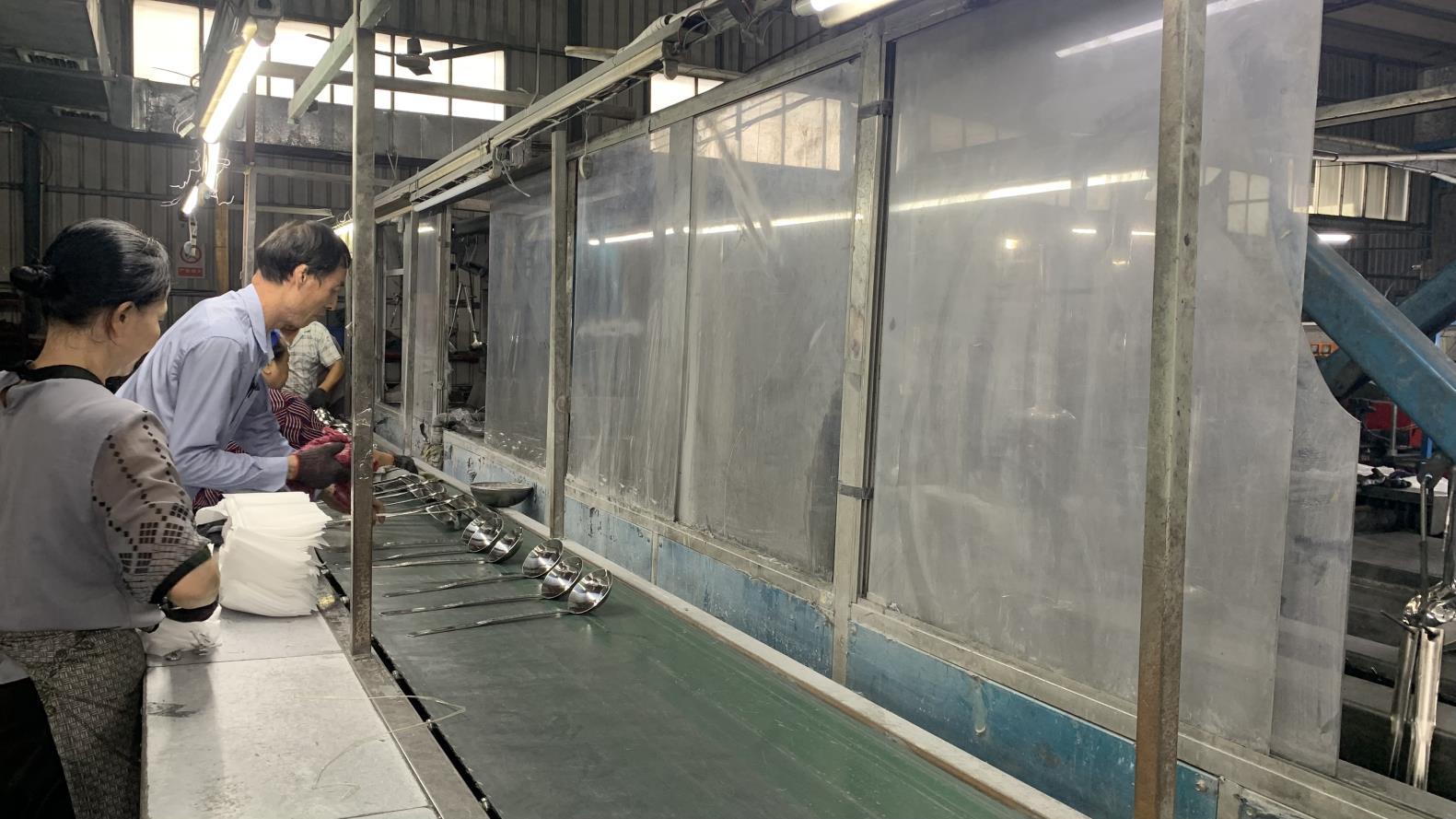
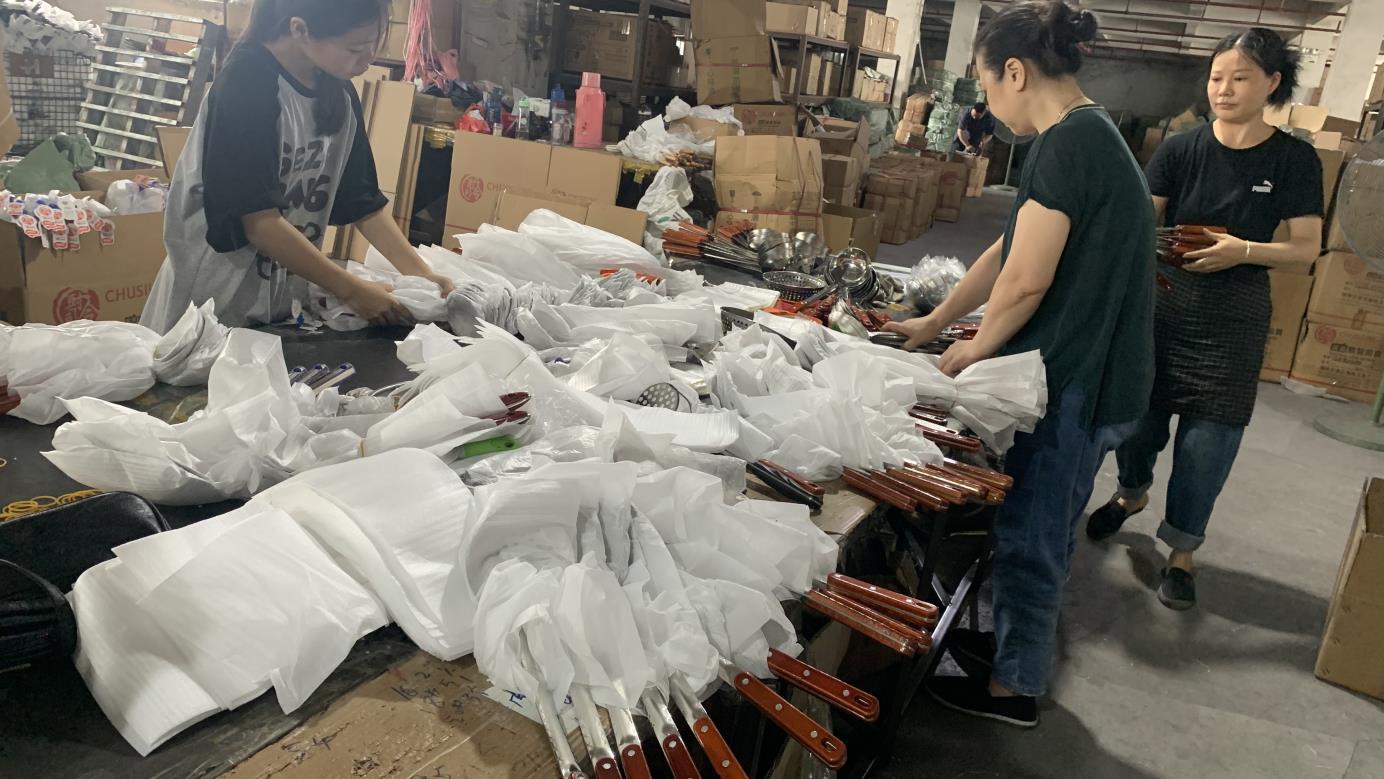
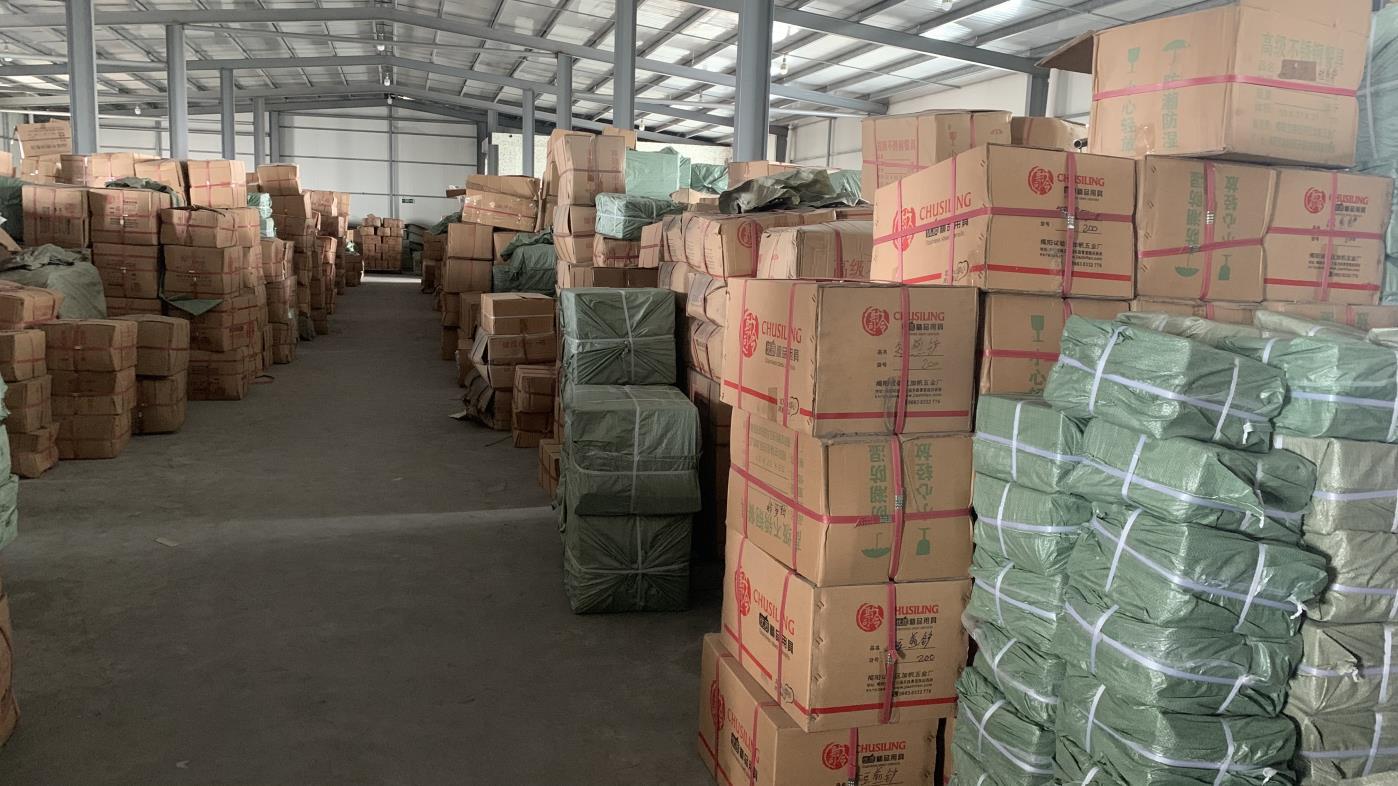
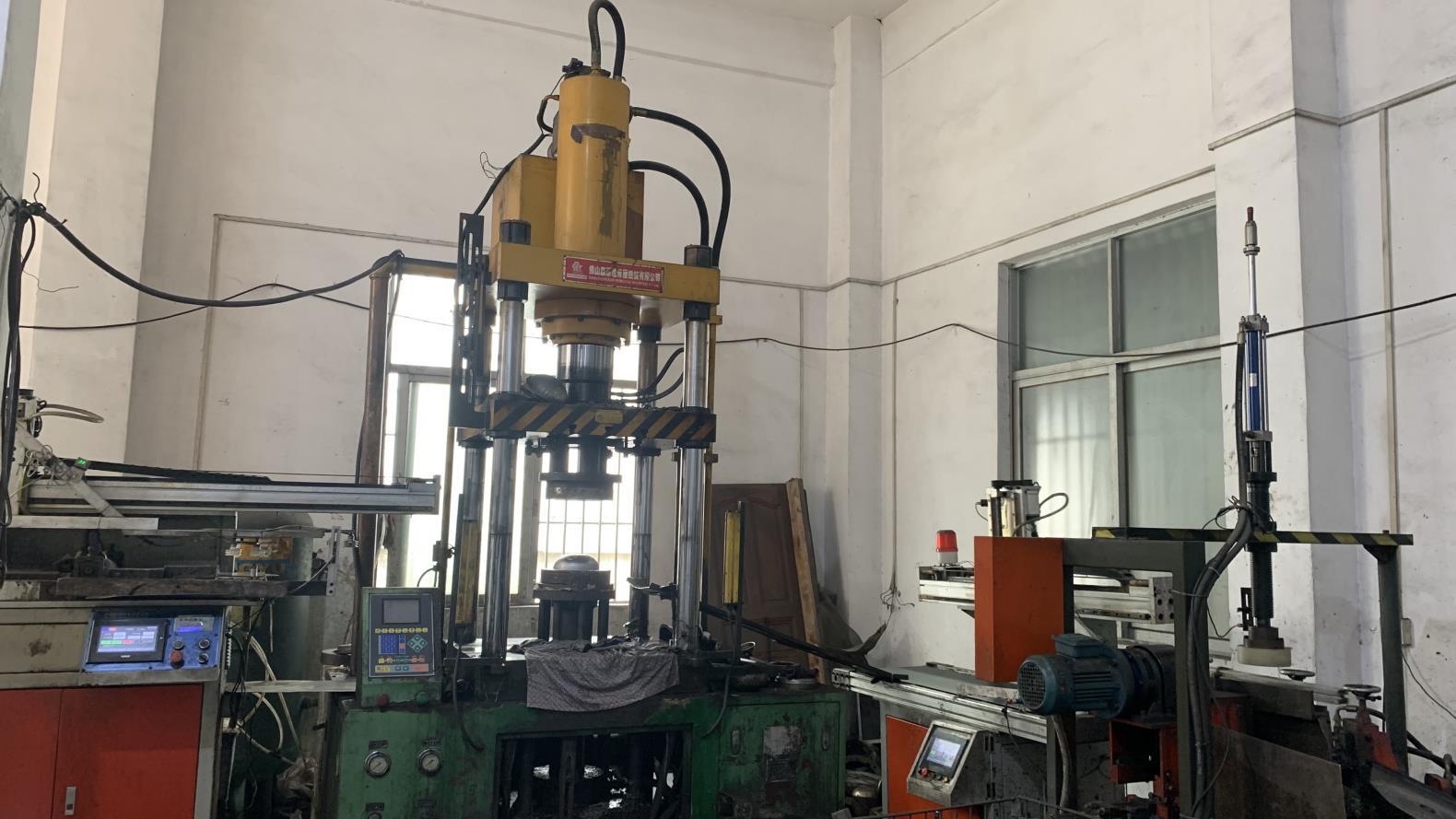
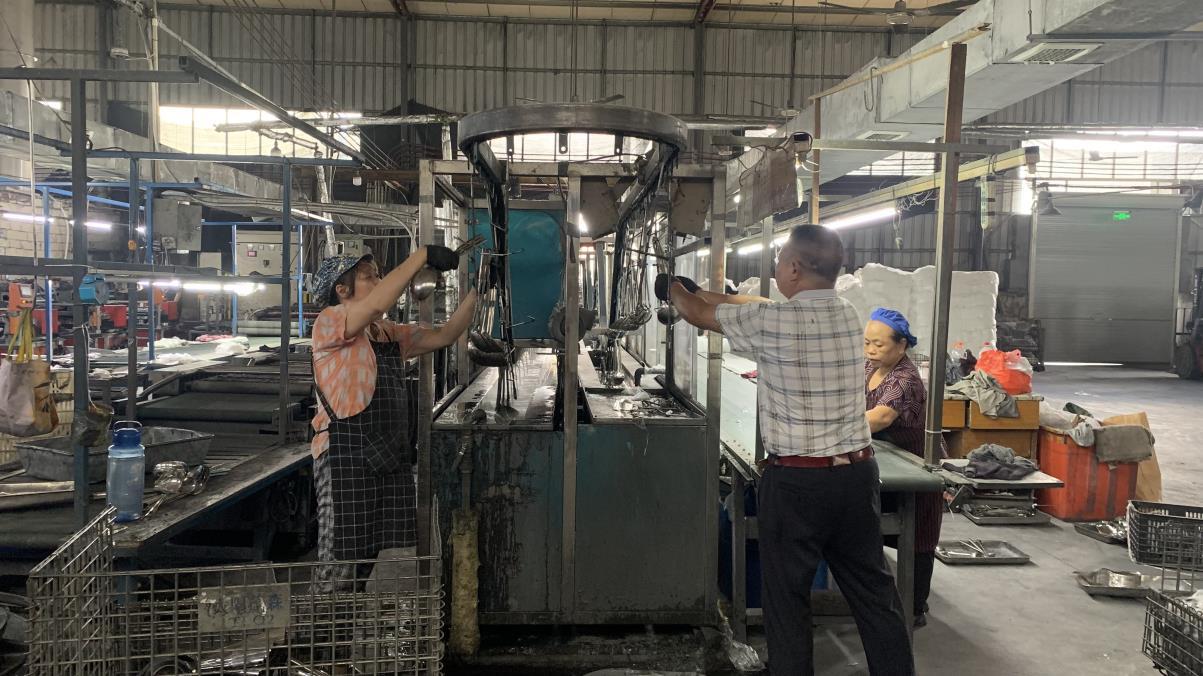
Ensuring safety, toxicity compliance, and mechanical durability through systematic testing protocols.
Guangdong Fergus Kitchen Co., Ltd. maintains a dedicated testing facility where raw materials and finished products undergo rigorous quality evaluations. Our testing protocols verify both thermal and mechanical performance, ensuring compliance with global and regional import directives, including the Sudanese Standards and Metrology Organization (SSMO).
Food storage trays, serving baskets, and internal cold room finishes come into direct contact with fresh provisions. We conduct systematic extraction analyses to verify that the chemical migration of plasticizers and coloring agents is far below international limit thresholds. Our food-handling products undergo certified BPA content analysis and heavy metal migration testing, ensuring total compliance with European Food Safety Authority (EFSA) and FDA regulations.
Cold room components and sandwich panels are tested for compression strength, fire resistance (B2/B1 flame retardant classes), and thermal conductivity stability over simulated 10-year usage windows. By ensuring our insulation materials remain free of voids, we guarantee consistent thermal barriers, reducing electricity consumption under hot weather conditions.
Streamlining overseas procurement from our Guangdong manufacturing center to Port Sudan and inland logistics hubs.
As a leading exporter, Guangdong Fergus Kitchen Co., Ltd. has established robust logistical pipelines to serve the Sudanese commercial market. Leveraging direct shipping lanes from Guangdong ports (Nansha/Shenzhen) to Port Sudan, we handle customs documentation, container optimization, and freight consolidation, minimizing lead times and transport costs.
Cold room panels and large-scale industrial plastic containers represent significant investments. To prevent transit damage across long ocean voyages and overland routes to destinations like Khartoum or Al Jazirah, our warehouse teams employ specialized packing strategies. Heavy machinery parts are secured in custom wooden crates, and sandwich panels are wrapped in high-density polyethylene protective film and reinforced with corner protectors, ensuring cargo arrives in perfect condition.
For large-scale agricultural projects, we offer comprehensive technical support. This includes providing detailed CAD foundation layout guides, electrical schematics, and plumbing diagrams prior to container arrival. Additionally, we provide real-time remote video technical installation guidance, helping local mechanics install panels, align cam-locks, and calibrate refrigeration control panels efficiently.
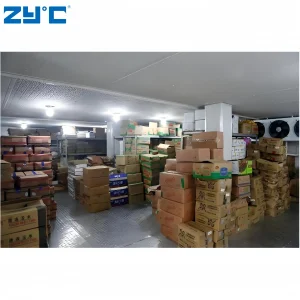
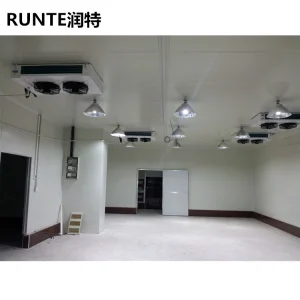
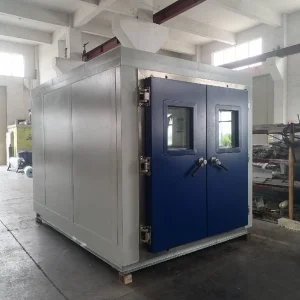
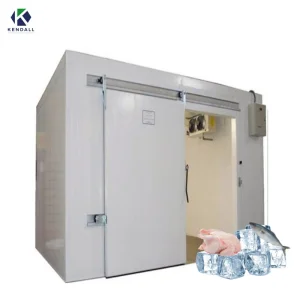
Select from our premium range of commercial walk-in freezers, energy-efficient chilling rooms, and seafood blast cold rooms customized for Sudanese climate realities.
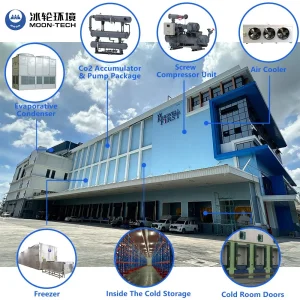
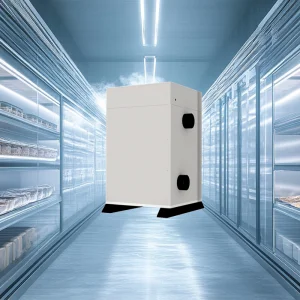
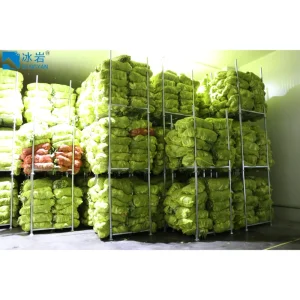

Get answers to common queries regarding local installations, energy requirements, thermal safety, and procurement processes.
Need a customized thermal calculation or custom plastic container quotation?
Request a Detailed Technical Quote Now Fergus Kitchen